CM Fadnavis Highlights Sarthi Welfare Scheme for Maharashtra Students
Synopsis
The Chief Minister's Office of Maharashtra spotlighted the Sarthi scheme on 26 June 2026, reinforcing CM Devendra Fadnavis's push to provide competitive-exam coaching and guidance to OBC and backward-class students across the state.
Key Takeaways
The Chief Minister's Office of Maharashtra posted about the Sarthi welfare scheme on 26 June 2026 , signalling continued government focus on backward-class student welfare.
Sarthi (Chhatrapati Shahu Maharaj Research, Training and Human Development Institute) provides coaching and guidance for UPSC, MPSC , and other competitive exams to OBC, VJNT, and SBC students.
The scheme operates under Maharashtra's Other Backward Bahujan Welfare Department and has been a policy priority since CM Devendra Fadnavis 's first term ( 2014–2019 ).
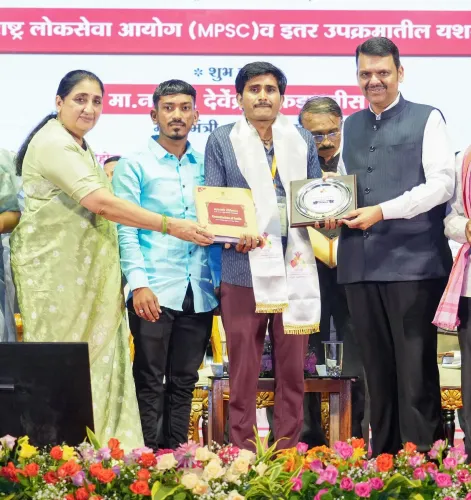
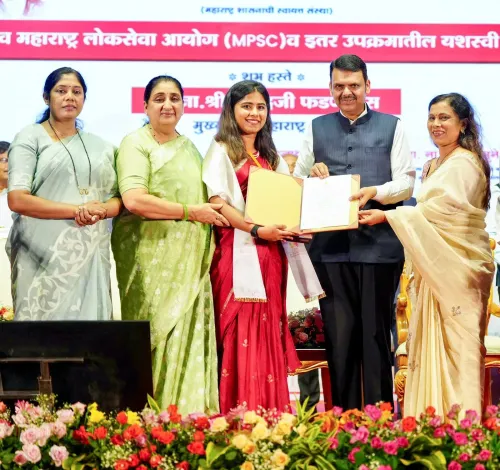
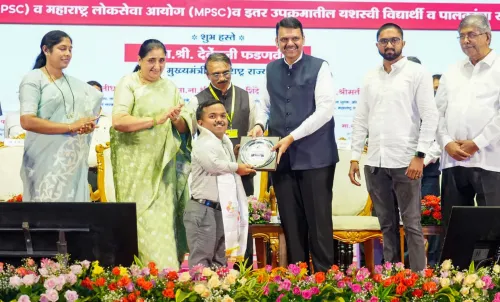
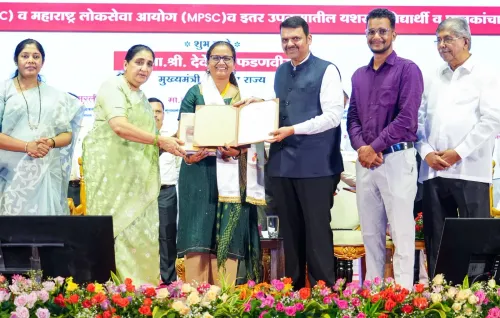
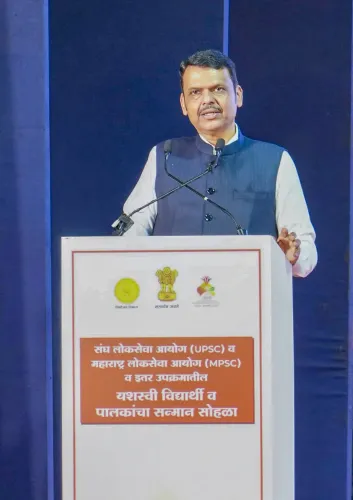
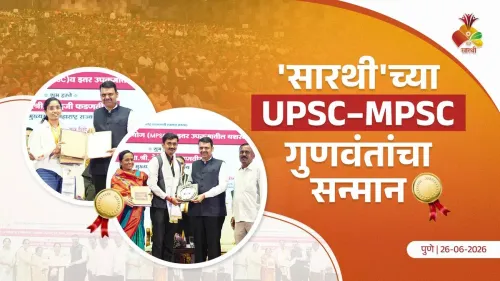
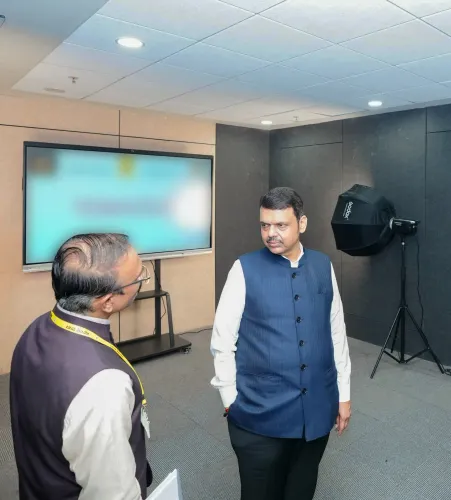
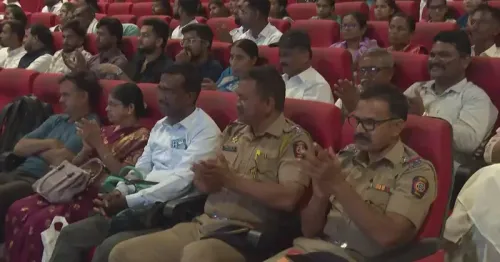
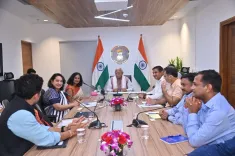
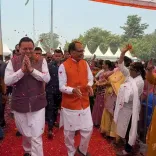
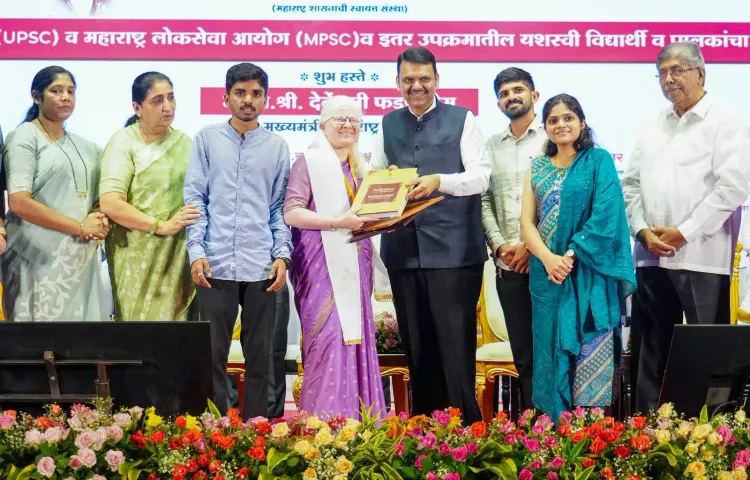
The post was accompanied by four images , reflecting an outreach-oriented communication strategy around the scheme.
Stakeholders will watch for fresh budget allocations or policy guidelines from the Social Justice or Higher Education departments following this announcement.
The Chief Minister's Office of Maharashtra on Friday, 26 June 2026, shared an update on the Sarthi welfare initiative, spotlighting the state government's ongoing commitment to coaching and guidance support for aspirants from backward communities under Chief Minister Devendra Fadnavis.
Context
The post, shared from the official CMO Maharashtra account, carries the hashtags #Maharashtra, #DevendraFadnavis, and #Sarthi, pointing to a welfare-focused communication tied to the Sarthi scheme. Sarthi is a state-run body that provides coaching, guidance, and financial assistance to students from Other Backward Classes (OBC) and allied categories preparing for competitive examinations such as UPSC and MPSC.
The update was accompanied by four images, underscoring a visual, outreach-oriented communication around the scheme's activities or beneficiaries.
Policy Backdrop
Maharashtra has maintained a sustained focus on human-capital development through coaching initiatives for marginalised students. During Devendra Fadnavis's first term as Chief Minister between 2014 and 2019, the state expanded support programmes for SC, ST, and OBC candidates appearing in competitive exams, embedding such schemes into the broader social-justice architecture of the government.
Sarthi — formally the Chhatrapati Shahu Maharaj Research, Training and Human Development Institute — operates under the state's Other Backward Bahujan Welfare Department and has been a key vehicle for delivering coaching, scholarships, and career counselling to first-generation aspirants across Maharashtra.
Stakeholders and Impact
The primary beneficiaries of Sarthi's programmes are OBC, VJNT (Vimukta Jati and Nomadic Tribes), and SBC (Special Backward Class) students who lack access to private coaching infrastructure. By subsidising or providing free coaching for UPSC, MPSC, banking, and defence examinations, the scheme directly addresses the representation gap in government services.
Successive Maharashtra administrations have framed such initiatives as both a welfare imperative and a long-term investment in equitable public-sector representation, making Sarthi a politically visible and socially significant programme for aspirants across the state's 36 districts.
What's Next
Observers and student groups will watch for fresh guidelines or budget allocations from the state's Social Justice and Special Assistance Department or the Higher and Technical Education Department that may accompany this communication. Any expansion of Sarthi's seat capacity, new exam categories covered, or enhanced stipend structures would represent a concrete policy move flowing from this announcement.
The state government's renewed emphasis on Sarthi signals that competitive-exam coaching for backward-class aspirants will remain a central plank of Maharashtra's welfare agenda under the current dispensation.
Point of View
A politically significant constituency in Maharashtra. By tying the scheme directly to the Chief Minister's branding, the government signals continuity with its earlier human-capital agenda while reinforcing its social-justice credentials. This pattern of scheme-specific communication suggests the administration is building a sustained narrative around backward-class upliftment as a core governance theme.
NationPress
26 Jun 2026
Frequently Asked Questions
What is the Sarthi scheme in Maharashtra?
Sarthi — formally the Chhatrapati Shahu Maharaj Research, Training and Human Development Institute — is a Maharashtra government body that provides free or subsidised coaching, career counselling, and financial assistance to OBC, VJNT, and SBC students preparing for competitive exams like UPSC and MPSC.
Who runs the Sarthi scheme in Maharashtra?
Sarthi operates under Maharashtra's Other Backward Bahujan Welfare Department and functions under the overall policy direction of the state government, currently led by Chief Minister Devendra Fadnavis.
Which students are eligible for the Sarthi coaching scheme?
Students from Other Backward Classes (OBC), Vimukta Jati and Nomadic Tribes (VJNT), and Special Backward Classes (SBC) in Maharashtra are the primary target beneficiaries of Sarthi's coaching and guidance programmes.
What exams does the Sarthi scheme cover?
Sarthi supports aspirants preparing for a range of competitive examinations including UPSC civil services, MPSC state services, banking recruitment, and defence services, among others.
What did the Maharashtra CMO post about Sarthi on 26 June 2026?
The Chief Minister's Office of Maharashtra shared a social media update on 26 June 2026 highlighting the Sarthi scheme, accompanied by four images, using the hashtags #Maharashtra, #DevendraFadnavis, and #Sarthi to draw attention to the state's welfare coaching initiative.