CM Fadnavis: Highway Traffic Restoration on War Footing Amid Mumbai Rains
Synopsis
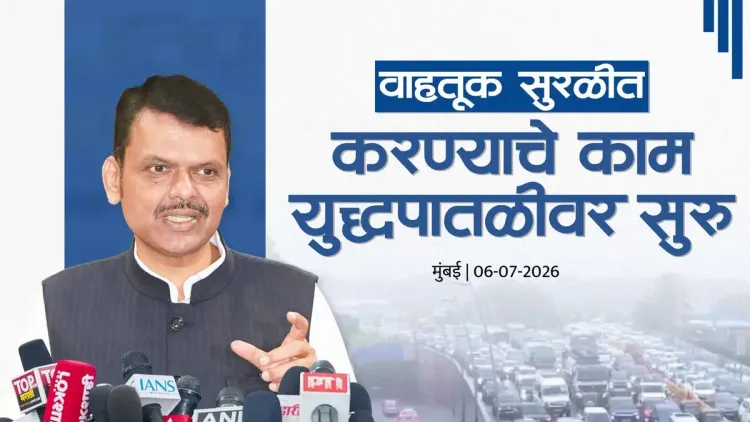
Maharashtra CM Devendra Fadnavis on 6 July 2026 declared that highway traffic restoration in Mumbai is proceeding on a war footing amid heavy monsoon rainfall, with the state administration continuously monitoring the situation and coordinating inter-departmental response.
Key Takeaways
CM Devendra Fadnavis posted on 6 July 2026 that highway traffic restoration is on a 'war footing' amid heavy rainfall in Mumbai .
The administration is maintaining continuous monitoring of the ground situation on Maharashtra's highways.
Maharashtra has operated annual monsoon action plans since at least 2019 , requiring pre-positioned machinery for highway clearance.
Key agencies involved include the highway traffic police, public works department, and the Maharashtra State Disaster Management Authority .
Mumbai's arterial highways — including major expressways — are recurrently affected by intense monsoon spells each June–September .
Follow-up announcements on highway drainage upgrades and MSDMA situation reports are expected as the monsoon season progresses.
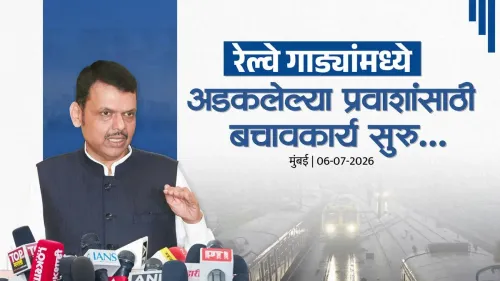
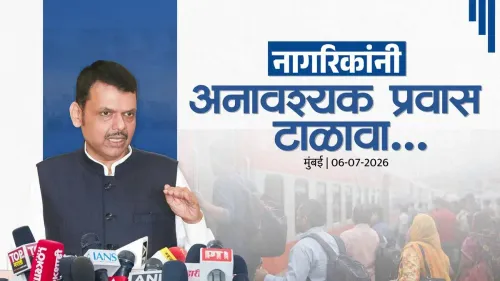
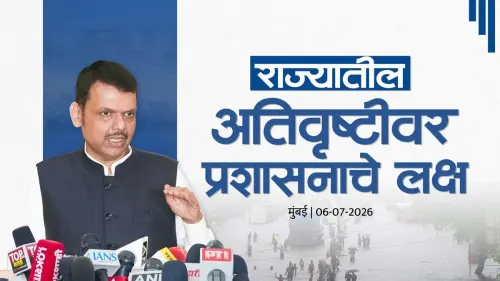
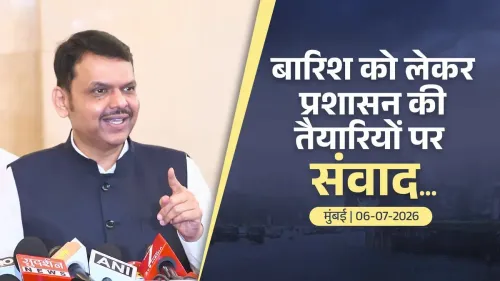
Maharashtra Chief Minister Devendra Fadnavis on Monday, 6 July 2026 assured the public that efforts to restore smooth traffic flow on highways are underway on a war footing, with the administration maintaining continuous watch over the situation as heavy rainfall battered Mumbai and surrounding regions.
Context
Posting on X in a trilingual message spanning Marathi, Hindi and a location tag for Mumbai, CM Fadnavis stated: 'महामार्गांवरील वाहतूक सुरळीत करण्याचे काम युद्धपातळीवर सुरू असून, प्रशासन परिस्थितीवर सातत्याने लक्ष ठेवून आहे' ['Work to restore smooth traffic on highways is proceeding on a war footing, and the administration is continuously monitoring the situation']. The post, tagged #HeavyRainfall, signals direct executive-level engagement with the disruption.
The message came amid the peak monsoon window. Mumbai, India's financial capital, is among the most vulnerable metropolitan regions to waterlogging-induced highway gridlock during the June–September monsoon season, with arterial expressways and national highways frequently bearing the brunt of intense downpours.
Policy Backdrop
Maharashtra has maintained annual monsoon action plans since at least 2019, directing district administrations to pre-position machinery and personnel for rapid highway clearance during extreme weather events. These plans mandate inter-departmental coordination among the public works department, highway traffic police, and municipal bodies.
The Chief Minister's direct communication on social media reflects a governance pattern in which senior state executives publicly signal oversight during weather emergencies — both to coordinate field agencies and to reassure commuters. Fadnavis, who also holds key portfolios including Home, has previously invoked similar language of 'war footing' during crisis-response situations in the state.
Stakeholders and Impact
The immediate stakeholders are the millions of daily commuters who depend on Mumbai's arterial highways — including the Mumbai–Pune Expressway and the Western and Eastern Express Highways — for inter-city and intra-city movement. Traffic paralysis on these corridors carries direct economic costs for logistics, commerce, and emergency services.
Highway traffic police and the Maharashtra State Disaster Management Authority (MSDMA) are the principal operational agencies tasked with clearance, diversion, and real-time updates. The public works department is responsible for drainage infrastructure maintenance on state and national highway stretches.
What's Next
The MSDMA is expected to issue rolling updates on rainfall-related road closures as the monsoon intensifies through July. Observers will watch for any follow-up announcements from the Chief Minister's Office on emergency repairs, additional deployment of machinery, or longer-term investments in highway drainage upgrades.
The administration's stated posture of continuous monitoring will be tested by the duration and intensity of the current rainfall spell. Any escalation — including fatalities, major arterial blockages, or flooding of underpasses — is likely to prompt further state-level directives and possible deployment of the National Disaster Response Force.
Point of View
Assigns accountability downward, and pre-empts public criticism by demonstrating executive visibility. That the post is trilingual (Marathi, Hindi, English hashtags) suggests it is calibrated for both local constituents and a national audience. The move fits a broader BJP governance pattern of using social media as a real-time crisis-communication tool, blurring the line between administrative directive and political messaging. The real test will be whether the rhetoric translates into measurable clearance times and, eventually, structural drainage improvements on Mumbai's perennially flood-prone highway corridors.
NationPress
7 Jul 2026
Frequently Asked Questions
Why are Mumbai highways affected by heavy rain every year?
Mumbai's highways experience annual disruption because the city receives among the highest monsoon rainfall in India, and several arterial corridors have inadequate drainage infrastructure, leading to waterlogging that blocks traffic for hours.
What did CM Fadnavis say about the Mumbai highway situation on 6 July 2026?
CM Devendra Fadnavis stated on X that work to restore smooth traffic on highways is proceeding on a 'war footing' and that the administration is continuously monitoring the situation.
Which agencies manage highway traffic during Mumbai floods?
The Maharashtra highway traffic police, the public works department, and the Maharashtra State Disaster Management Authority are the primary agencies coordinating clearance, diversions, and real-time updates during monsoon disruptions.
What is Maharashtra's monsoon action plan?
Maharashtra has maintained annual monsoon action plans since at least 2019, directing district administrations to pre-position heavy machinery and personnel on major highways ahead of the monsoon season to enable rapid response to waterlogging.
What should Mumbai commuters do during heavy rainfall highway disruptions?
Commuters are advised to follow real-time updates from the Maharashtra State Disaster Management Authority and highway traffic police, avoid non-essential travel on expressways during intense rainfall, and use alternate routes as directed by authorities.