CM Fadnavis issues Class I orders to 113 housing societies
Synopsis
Maharashtra CM Devendra Fadnavis says Class I conversion orders have gone to 113 cooperative housing societies under Nagari Nivara Parishad, covering about 6225 families. He cites a premium cut from 10% to 5%, self-redevelopment, individual flat titles, and a drug-free Mumbai push.
Key Takeaways
CM Devendra Fadnavis said Class I conversion orders were given to 113 cooperative housing societies under Nagari Nivara Parishad.
He said the move would benefit approximately 6225 families and resolve long-standing ownership issues.
The conversion premium has been reduced from 10% to 5%, according to the chief minister.
Around 1600 self-redevelopment proposals have been received in Mumbai since 2019, he said.
Individual ownership documents for flat owners in vertical buildings are meant to curb fraud and disputes.
Fadnavis tied the housing push to keeping Marathi-speaking families in Mumbai and to a drug-free youth campaign.
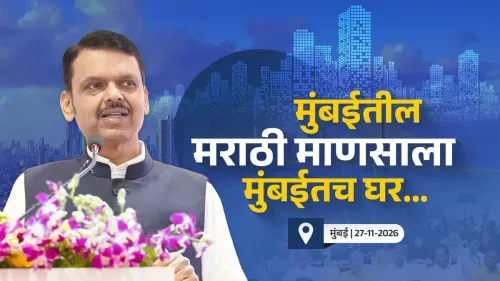
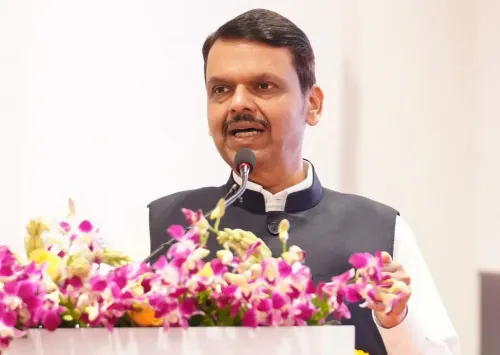
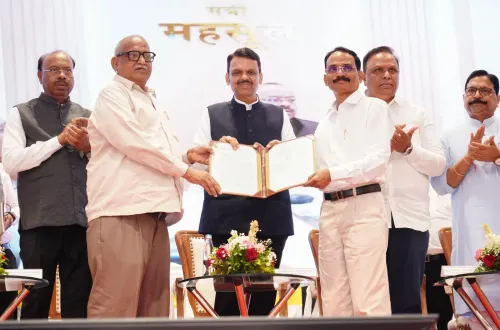
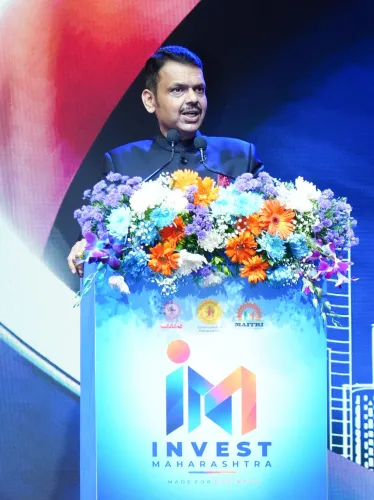
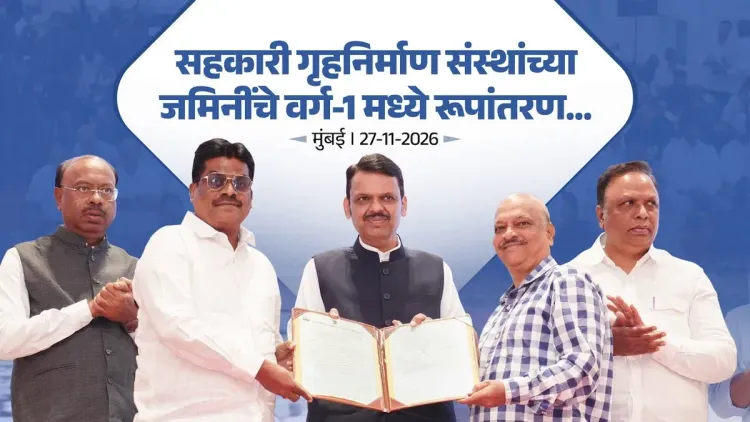
For thousands of families in India's financial capital, a leasehold file has long stood between a home they occupy and a home they truly own. Maharashtra Chief Minister Devendra Fadnavis on 27 November 2026 said Class I conversion orders had been distributed to 113 cooperative housing societies under the Nagari Nivara Parishad, a step he said would benefit approximately 6225 families and unlock redevelopment in Mumbai.
He billed it as a new vison for housing, urban growth and youth empowerment. Fadnavis wrote, “This landmark decision resolves long-standing ownership issues and paves the way for redevelopment of these housing societies.” He framed the orders as a sequel to the State Government's 2017–18 policy to convert leasehold properties into freehold, now paired with cheaper conversion and a push for individual titles.
Premium cut to 5 percent, 1600 self-redevelopment files
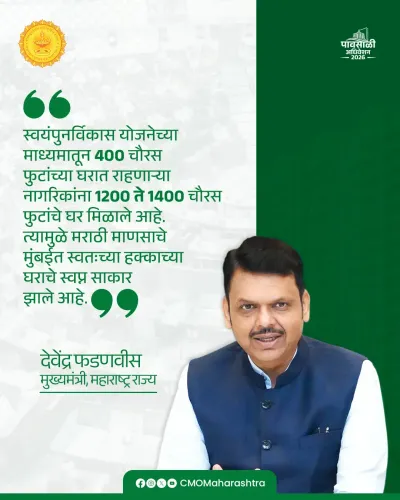
The operational lever is price. Fadnavis said the conversion premium has been reduced from 10% to 5% to make the process more affordable for housing societies and to make self-redevelopment more accessible. Around 1600 self-redevelopment proposals have been received in Mumbai since 2019, he said, with several buildings already completed.
Maharashtra governments have repeatedly used leasehold-to-freehold conversions and cheaper premiums to try to unstick aging cooperative buildings. This cut is the latest nudge. The test is simple: do stalled societies actually start demolition and reconstruction once the paper is cheaper?
Individual flat titles and a Marathi Mumbai pledge
Fadnavis also flagged individual ownership documents for flat owners in vertical buildings. Those papers, he said, will help prevent property-related fraud and disputes while giving owners greater security. In a city where society-level leases often outlive the families who paid for the flats, a personal title is the difference between a claim and a defence.
He stated the objective directly: “Our objective is to ensure that Mumbai's residents, particularly Marathi-speaking families, can continue to live in the city and benefit from its redevelopment.” Housing policy here is also a demography argument — who remains after the crane leaves.
Drug-free Mumbai, named on the same dais
The housing file came bundled with a social brief. Fadnavis said an equally important commitment is building a drug-free Mumbai and safeguarding the younger generation. That responsibility, he argued, goes beyond enforcement and calls for sustained awareness, the right guidance and collective participation, with a focus on empowering youth to make healthier choices.
He said Chandrashekhar Bawankule, Mangal Prabhat Lodha, Ashish Shelar, MP Ravindra Waikar and MLA Murji Patel were among those present.
Conversion orders in 113 societies will not, by themselves, rebuild the island city. Watch the individual titles, the 1600 self-redevelopment proposals, and whether a 5% premium turns old co-operative plots into construction sites — while Mumbai tries to keep its young off drugs and its older families inside the neighbourhoods they already call home.
Point of View
Rights and social order — rather than a standalone land file.
NationPress
27 Nov 2026
Frequently Asked Questions
What did CM Fadnavis announce for Mumbai housing societies?
Maharashtra Chief Minister Devendra Fadnavis said Class I conversion orders were distributed to 113 cooperative housing societies under the Nagari Nivara Parishad. He said the step would benefit approximately 6225 families and clear the way for redevelopment.
What is the new conversion premium for housing societies in Mumbai?
Fadnavis said the conversion premium has been reduced from 10% to 5%. He presented the cut as a way to make leasehold-to-freehold conversion more affordable and to support self-redevelopment.
What is Maharashtra's 2017-18 leasehold conversion policy?
It is a state government policy to convert leasehold properties into freehold so housing societies can strengthen ownership rights. Fadnavis said the latest Class I orders build on that 2017–18 framework.
How many self-redevelopment proposals has Mumbai received since 2019?
According to Fadnavis, around 1600 self-redevelopment proposals have been received in Mumbai since 2019. He said several buildings have already been completed.
Why did Fadnavis mention Marathi-speaking families and a drug-free Mumbai?
He said the objective is to ensure Mumbai residents, particularly Marathi-speaking families, can continue to live in the city and benefit from redevelopment. He also linked the housing announcement to awareness and guidance for a drug-free younger generation.