Congress MP Tharoor flags Delimitation Bill 2026 concerns
Synopsis
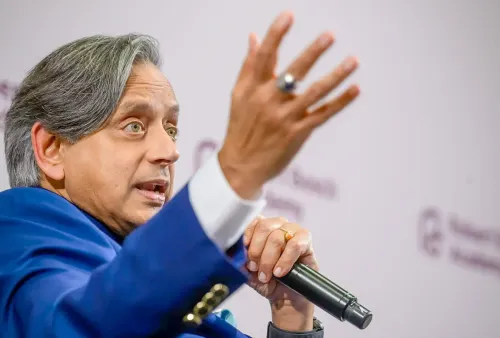
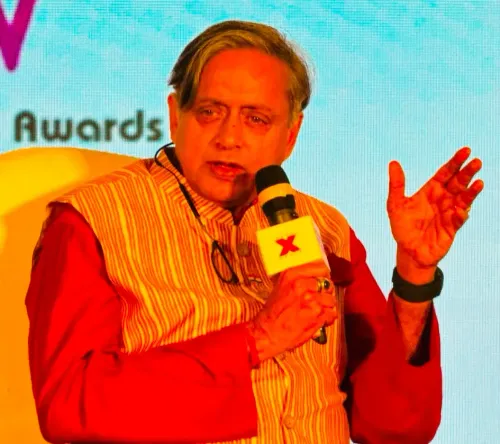
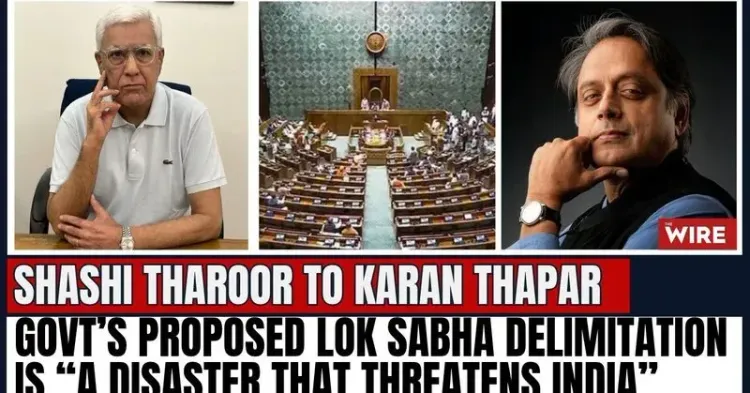
Congress MP Dr. Shashi Tharoor on 27 November 2026 pointed to a Karan Thapar interview on his concerns about the Delimitation Bill 2026, as the freeze on Lok Sabha seats tied to the 1971 census nears its post-2026 end.
Key Takeaways
Shashi Tharoor on 27 November 2026 shared an interview with journalist Karan Thapar on his concerns about the Delimitation Bill 2026 .
The Constitution (Eighty-fourth Amendment) Act, 2001 froze Lok Sabha seat readjustment on the 1971 census until the first census after 2026 .
A post-2026 population-based redraw is expected to shift seats toward northern states with higher population growth.
Southern states such as Kerala and Tamil Nadu face a risk of reduced parliamentary representation because of lower fertility rates.
Items to watch include parliamentary debate on a delimitation bill and possible resolutions from southern state assemblies.
The constitutional freeze on India's parliamentary map is running out of time — and Congress MP Dr. Shashi Tharoor put that clock on the record on Friday, 27 November 2026, in an interview with journalist Karan Thapar about his concerns over the Delimitation Bill 2026. After decades in which Lok Sabha seat numbers stayed locked to the 1971 census, the first count after 2026 is meant to redraw the House. Southern states that cut fertility early now fear they will pay for that success with fewer MPs.
Posting the conversation on X, the Congress MP from Thiruvananthapuram wrote: 'My interview with Karan Thapar today on my concerns about the #delimitationbill2026.' He did not set out clause-by-clause objections in the post itself. The signal was the subject: a coming redraw that could recast who holds how many seats in the Lok Sabha and in state assemblies.
The 1971 freeze and the 2026 cliff
India has not let population growth rewrite the Lok Sabha's size for half a century. The pause began in 1976 so that states which slowed births would not be stripped of seats for doing so. The Constitution (Eighty-fourth Amendment) Act, 2001 then kept readjustment tied to the 1971 census until the first census after 2026.
That cliff is now in view. A post-2026 exercise using fresh census figures is widely expected to shift seats toward northern states with higher population growth. The method is population-based delimitation. The political consequence is a smaller southern share of the national legislature unless some other formula is written into law.
Kerala, Tamil Nadu and the representation risk
Kerala and Tamil Nadu sit at the sharp end of that arithmetic. Lower fertility, earlier, means a smaller slice of India's next headcount — and, if seats follow people, fewer MPs. Tharoor, a former Union minister and former UN under-secretary-general, is among southern MPs and regional parties who have treated that outcome as a federalism problem, not a statistical footnote.
Representation is not only about speeches in the House. Seat share feeds bargaining power over finance, schemes and the shape of the Union. That is why a delimitation fight is never only about lines on a map.
Assemblies, Parliament and the next test
The next tests are concrete. Watch for a bill's introduction and debate in Parliament. Watch for resolutions from southern state assemblies staking a claim to existing weight, a longer freeze, or criteria beyond raw population. Tharoor's interview keeps a southern argument in the national frame as that calendar approaches.
The census after 2026 will not merely count Indians. It will decide how many of them each state gets to send to the next Lok Sabha — and whether the old bargain, that family planning would not be punished, still holds.
Point of View
Later extended by the 84th Amendment until the first census after 2026, was a federal bargain: states would not be punished for population control. Unwinding that bargain on headcount alone would tilt the Lok Sabha toward faster-growing northern states and reopen questions of resource share and regional voice. The political test now is whether Parliament writes any criterion other than raw population into the next redraw — and whether southern assemblies move first with resolutions of their own.
NationPress
27 Nov 2026
Frequently Asked Questions
What is the Delimitation Bill 2026?
It is the label used for legislation to redraw Lok Sabha and assembly constituencies after the constitutional freeze on seat numbers ends following 2026. Exact provisions of any such bill are not established from the post itself.
Why are southern states worried about delimitation after 2026?
States such as Kerala and Tamil Nadu have lower fertility rates and could lose parliamentary weight if seats are reallocated on newer population figures. Southern leaders argue that would penalise successful family planning.
What did the 84th Constitutional Amendment do to Lok Sabha seats?
The Constitution (Eighty-fourth Amendment) Act, 2001 froze the readjustment of Lok Sabha seats on the basis of the 1971 census until the first census after 2026. That extended an earlier pause meant to protect states that had slowed population growth.
Who is Shashi Tharoor in this debate?
He is the Congress MP from Thiruvananthapuram, a former Union minister and former UN under-secretary-general. As a southern MP he is among those highlighting risks to regional representation after the freeze ends.
When can India's Lok Sabha seat numbers be revised?
After the first census conducted after 2026, under the freeze put in place by the 84th Amendment. Until then, seat numbers have remained tied to the 1971 census.