Rishikesh-Karnaprayag rail: 6.59-km Tunnel-14 breakthrough done
Synopsis
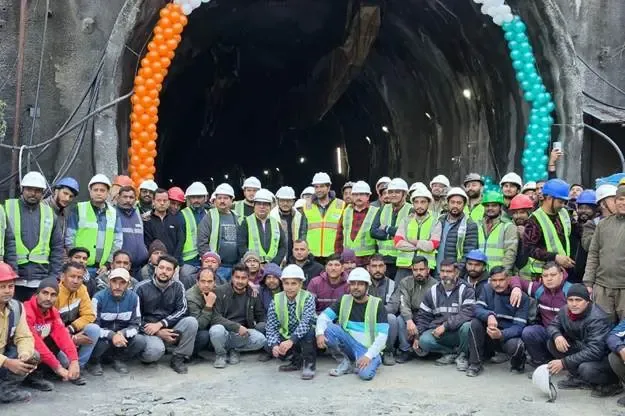
Indian Railways has broken through the 6.59-km Tunnel-14 on the Rishikesh-Karnaprayag line. Engineers dug through loose soil under inhabited areas with as little as 20 metres of cover, and the main drive started only after ground settlement and land acquisition issues were resolved. The milestone brings Uttarakhand's hill districts a step closer to rail connectivity.
Key Takeaways
Indian Railways completed the main breakthrough of the 6.59-km Tunnel-14 in Rudraprayag district , Uttarakhand, as announced on 27 November 2026 .
The tunnel joins a 4.7-km drive from Portal-1 at Sumerpur and a 1.79-km section from Portal-2 at Marora .
A 110-metre stretch was dug through loose soil under inhabited areas with only 20-30 metres of cover.
The main tunnel drive began in March 2024 , after ground settlement and land acquisition issues at Marora were resolved.
Blasting was limited to daytime hours, and ventilation systems were used across the 4.7-km drive.
Indian Railways recorded its highest-ever October freight loading of 145.07 million tonnes , up 8.32% year-on-year.
Indian Railways has completed the main tunnel breakthrough of the 6.59-km-long Tunnel-14 on the Rishikesh-Karnaprayag Rail Project in Uttarakhand's Rudraprayag district. The Ministry of Railways announced the milestone in an official statement on Friday, 27 November 2026. The breakthrough joins two separately excavated sections of the tunnel and marks a significant step forward for one of the most strategically important rail projects in the Himalayan state.
Key Developments at Tunnel-14
According to the ministry, the breakthrough links a 4.7-km stretch driven from Portal-1 at Sumerpur with a 1.79-km section excavated from Portal-2 at Marora. Together, the two drives make up the full 6.59-km length of the tunnel.
Linking the two faces is a defining moment in tunnel construction. It confirms that both drives met on the planned alignment and allows the next phases of work inside the tunnel to begin.
Engineering Challenges Under Inhabited Areas
The work involved some difficult ground conditions. The ministry said a 110-metre stretch of the triple-track tunnel at Portal-1 was dug through loose soil beneath inhabited areas, with only 20-30 metres of soil and rock above it. Engineers used specialised methods, including pre-excavation and multi-drifting, to keep the excavation safe.
At Portal-2, the slope was stabilised using 30-35-metre-deep micropiles, 15-20-metre-long rock bolts and consolidation grouting, the statement said.
“These measures enabled the launch of the main tunnel drive in March 2024, following the resolution of ground settlement issues at Marora and matters related to land and home acquisition,” the ministry said.
Notably, the statement shows that the project faced more than technical hurdles. Ground settlement and land acquisition issues had to be resolved before the main drive could start in March 2024. Work of this kind in populated hill areas often involves such issues.
Safety Measures for Nearby Settlements
Nearly 100 metres of mechanical excavation was carried out at Portal-2. To protect nearby settlements, controlled blasting near both portals was limited to daytime hours, the ministry said.
Specialised ventilation systems were also used along the entire 4.7-km drive from Portal-1. These systems supplied fresh air and regulated the temperature inside the tunnel during excavation.
Why the Project Matters for Uttarakhand
The Rishikesh-Karnaprayag line is expected to improve connectivity to Uttarakhand's hill regions. It should also make travel easier for pilgrims and tourists and support regional development by improving access to important destinations in the state, according to the ministry.
For communities in districts such as Rudraprayag, road travel through mountainous terrain is slow and often affected by the weather. A rail link could change how residents, traders and visitors move across the region.
This comes amid a broader record run for Indian Railways. Earlier this month, the national transporter reported its highest-ever freight loading for October, moving 145.07 million tonnes of freight. That is an 8.32 per cent increase from 133.93 million tonnes in October 2025.
What Happens Next
The main breakthrough of Tunnel-14 clears the way for the remaining work inside the tunnel. The pace of progress on the rest of the line will decide how soon Uttarakhand's hill districts can use the rail connectivity this project promises.
Point of View
And the main drive could start only after ground settlement and land acquisition disputes at Marora were resolved. Celebrating a breakthrough is fair, but the residents above these tunnels deserve the same transparency on settlement monitoring that the engineering milestones receive. In a seismically and geologically fragile state, the real measure of success will be safe execution, not just speed.
NationPress
27 Nov 2026
Frequently Asked Questions
What is the Tunnel-14 breakthrough on the Rishikesh-Karnaprayag line?
It is the main breakthrough of the 6.59-km Tunnel-14 in Uttarakhand's Rudraprayag district, which joins two separately excavated sections. The Ministry of Railways announced the milestone on 27 November 2026.
Which sections were connected in the Tunnel-14 breakthrough?
The breakthrough joined a 4.7-km stretch driven from Portal-1 at Sumerpur with a 1.79-km section excavated from Portal-2 at Marora, according to the ministry.
What engineering challenges did Tunnel-14 face?
A 110-metre stretch at Portal-1 was dug through loose soil beneath inhabited areas with 20-30 metres of cover, which required pre-excavation and multi-drifting techniques. The slope at Portal-2 was stabilised using deep micropiles, rock bolts and consolidation grouting.
Why is the Rishikesh-Karnaprayag Rail Project important?
The project is expected to improve connectivity to Uttarakhand's hill regions and make travel easier for pilgrims and tourists. It is also expected to support regional development by improving access to key destinations in the state.
When did main excavation on Tunnel-14 begin?
The main tunnel drive began in March 2024. It started after ground settlement issues at Marora and land and home acquisition matters were resolved, the ministry said.