CM Fadnavis Launches Free Housing for Nagpur Sanitation Workers
Synopsis
Maharashtra CM Devendra Fadnavis and Union Minister Nitin Gadkari performed the Bhoomipujan of the 'Maharshi Sudarshan Valmiki Vasahat' in Nagpur on 12 July 2026, launching free homes for NMC sanitation workers under a 2019 state scheme aligned with PMAY 2.0 Urban, while also announcing ~500 employment opportunities through a revived Lad-Page Committee.
Key Takeaways
Bhoomipujan performed on 12 July 2026 for 'Maharshi Sudarshan Valmiki Vasahat,' a free housing colony for Nagpur Municipal Corporation sanitation workers.
The project is rooted in a 2019 Government Resolution under the Dr.
Babasaheb Ambedkar Shramsafalya Awas Yojana , now implemented via PMAY 2.0 (Urban) AHP .
Colony will feature a solar energy scheme to make it a sustainable residential community.
CM Fadnavis announced revival of the Lad-Page Committee in a new format to create employment for ~500 heirs of sanitation workers within the NMC.
The broader PMAY 2.0 drive aims to cover eligible poor families across all six Assembly constituencies of Nagpur.
Colony has been named after Maharshi Sudarshan Valmiki , adding symbolic significance to the initiative.
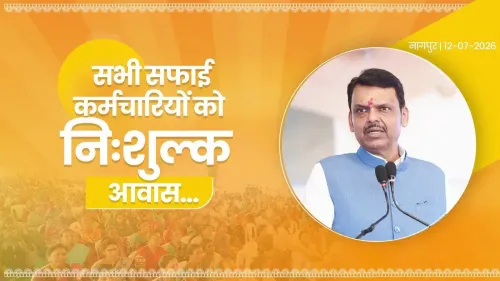
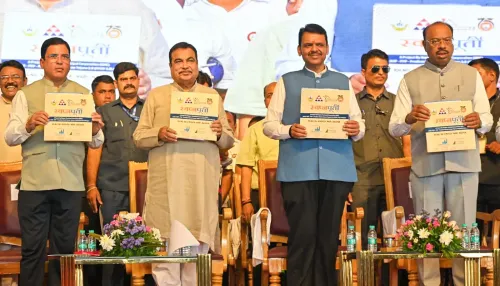
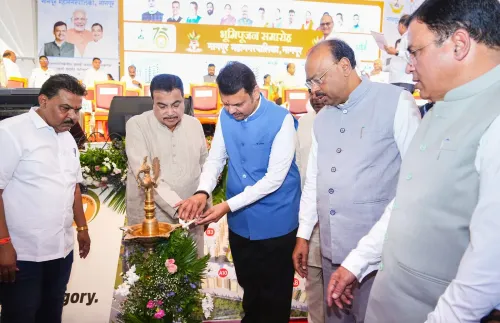
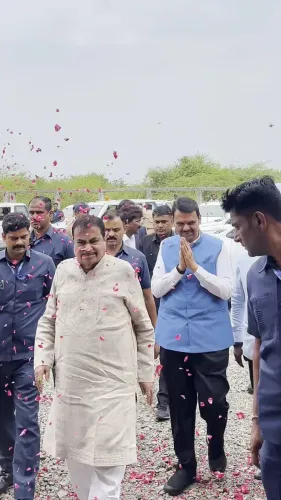
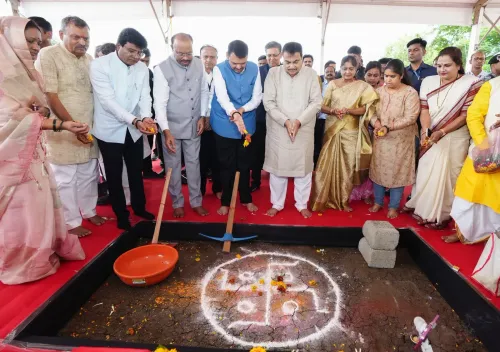
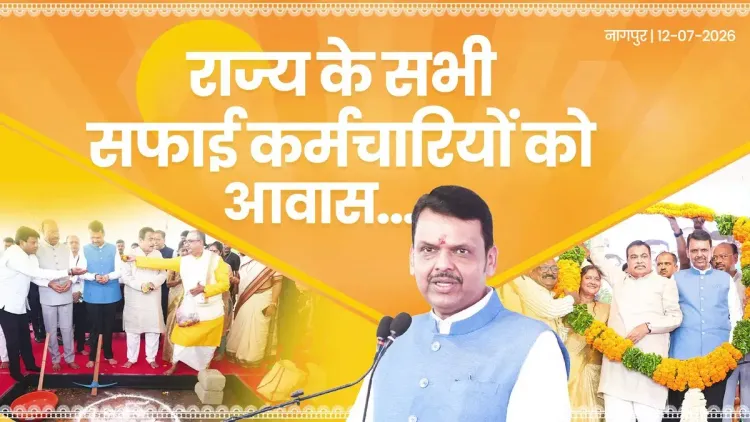
Maharashtra Chief Minister Devendra Fadnavis on Sunday, 12 July 2026, performed the Bhoomipujan and stone plaque unveiling of the 'Maharshi Sudarshan Valmiki Vasahat' housing colony for sanitation workers of the Nagpur Municipal Corporation (NMC), alongside Union Minister Nitin Gadkari in Nagpur. The event also marked the launch of the 'Swapnapurti' Housing Project under the Pradhan Mantri Awas Yojana 2.0 (Urban) Affordable Housing in Partnership (AHP) vertical, bringing a seven-year-old promise of free homes for sanitation workers closer to fulfilment.
Context
The housing initiative traces its roots to a 2019 Government Resolution under the Dr. Babasaheb Ambedkar Shramsafalya Awas Yojana, a Maharashtra state scheme designed to provide free housing to sanitation workers — a community historically drawn from Scheduled Caste backgrounds. Fadnavis, who was Chief Minister during that earlier term as well, noted that the commitment 'remained unwavering despite changes to the Government Resolution.' The Bhoomipujan in Nagpur marks the formal beginning of construction, with the colony named after Maharshi Sudarshan Valmiki — a choice the Chief Minister described as adding 'special significance' to the occasion.
Gadkari, who represents Nagpur in Parliament and has been closely associated with infrastructure development in the city, co-presided over the ceremony. The presence of senior civic and state officials underscored the multi-tier coordination between the Centre, the Maharashtra government, and the NMC required to execute the project.
Policy Backdrop
The Pradhan Mantri Awas Yojana (Urban), first launched in June 2015, set a target of providing pucca houses to eligible urban poor families, with subsequent phases extending coverage and restructuring delivery mechanisms through state partnerships. PMAY-Urban 2.0 continues this framework, with the AHP vertical enabling state governments to co-develop housing stock for identified beneficiary groups. The Maharashtra government has aligned the state-specific Ambedkar Shramsafalya Awas Yojana with this central programme to leverage both funding streams for NMC sanitation workers.
A solar energy scheme is planned for the colony, positioning it as a 'clean, sustainable and well-maintained residential community,' according to Fadnavis. The integration of renewable energy into the project reflects a broader state push to embed sustainability in public housing.
Stakeholders and Impact
The immediate beneficiaries are NMC sanitation workers and their families, who will receive free homes under the scheme. Fadnavis also announced the revival of the Lad-Page Committee in a 'new format' to generate employment for heirs of sanitation workers, with approximately 500 beneficiaries expected to receive employment opportunities within the NMC. Beyond Nagpur, the Chief Minister stated that the endeavour under PMAY 2.0 (Urban) is to ensure every eligible poor family across all six Assembly constituencies of Nagpur gets a home, framing the project as a step toward Prime Minister Narendra Modi's 'Housing for All' vision.
The ceremony was attended by Minister Chandrashekhar Bawankule, Minister of State Adv. Ashish Jaiswal, Nagpur Mayor Neetatai Thakre, Deputy Mayor Leelatai Hathibed, Standing Committee Chairman Shivanitai Dani-Wakhare, and Shersingh (Satish) Dagor, Chairman of the Maharashtra Safai Karamchari Commission, among other dignitaries.
What's Next
The pace of PMAY 2.0 (Urban) AHP allotments across Nagpur's six constituencies and the operationalisation of the restructured Lad-Page Committee for ~500 beneficiaries will be the key markers to watch. The solar component's rollout and the eventual handing over of completed homes to NMC sanitation workers will determine whether the 2019 promise translates fully into on-ground delivery. If the Nagpur model proves replicable, it could inform similar state-central convergence efforts for sanitation workers in other Maharashtra cities.
Point of View
The housing-plus-employment model could serve as a template the Maharashtra government deploys in other municipal corporations where sanitation workers remain without formal housing.
NationPress
12 Jul 2026
Frequently Asked Questions
What is the 'Maharshi Sudarshan Valmiki Vasahat' in Nagpur?
It is a free housing colony being built for sanitation workers of the Nagpur Municipal Corporation, launched with a Bhoomipujan by CM Devendra Fadnavis and Union Minister Nitin Gadkari on 12 July 2026. The colony is named after Maharshi Sudarshan Valmiki and will include a solar energy scheme.
What is the Dr. Babasaheb Ambedkar Shramsafalya Awas Yojana?
It is a Maharashtra state scheme announced in 2019 to provide free housing to sanitation workers. The scheme is now being implemented in convergence with the Pradhan Mantri Awas Yojana 2.0 (Urban) AHP vertical to fund the Nagpur colony.
How many sanitation workers will benefit from the Nagpur housing project?
The project targets NMC sanitation workers across Nagpur, with the broader PMAY 2.0 (Urban) drive aiming to cover eligible poor families in all six Assembly constituencies of Nagpur. Specific unit counts were not announced at the Bhoomipujan.
What is the Lad-Page Committee and what is its role?
The Lad-Page Committee is being revived in a new format to provide employment opportunities to heirs of sanitation workers. CM Fadnavis announced that approximately 500 beneficiaries will receive employment within the Nagpur Municipal Corporation through this mechanism.
How does this project connect to PM Modi's Housing for All mission?
The 'Swapnapurti' Housing Project is implemented under Pradhan Mantri Awas Yojana 2.0 (Urban), the central government's flagship affordable housing programme. CM Fadnavis stated that covering all eligible poor families in Nagpur's six constituencies under PMAY 2.0 will advance PM Modi's 'Housing for All' vision.