CM Fadnavis launches modern silk cocoon market in Jalna
Synopsis
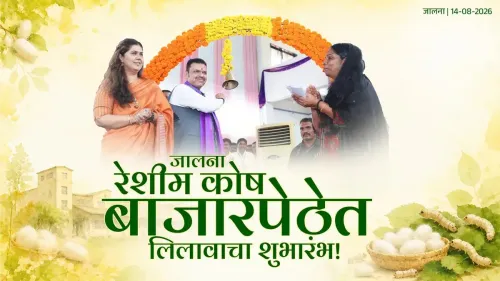
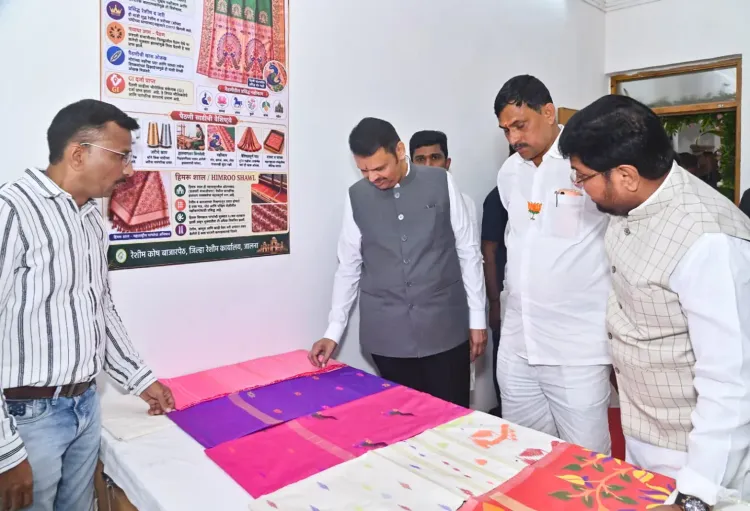
Chief Minister Devendra Fadnavis inaugurated a modern silk cocoon market in Jalna on 14 August 2026, giving Marathwada's sericulture farmers a formal, competitive venue to sell their harvest and improve farmgate prices.
Key Takeaways
A modern silk cocoon market ( रेशीम कोष बाजारपेठ ) was inaugurated in Jalna , Marathwada, on 14 August 2026 .
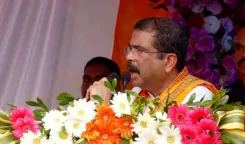
Chief Minister Devendra Fadnavis performed the inauguration, tying a symbolic silk thread of resolve at the event.
The facility aims to give silk-producing farmers fair price discovery and reduce dependence on informal or distant trading channels.
Jalna is in the water-stressed Marathwada region, where sericulture is promoted as a less irrigation-intensive alternative crop.
The market is part of Maharashtra's broader push to diversify farmer incomes beyond cotton and soybean.
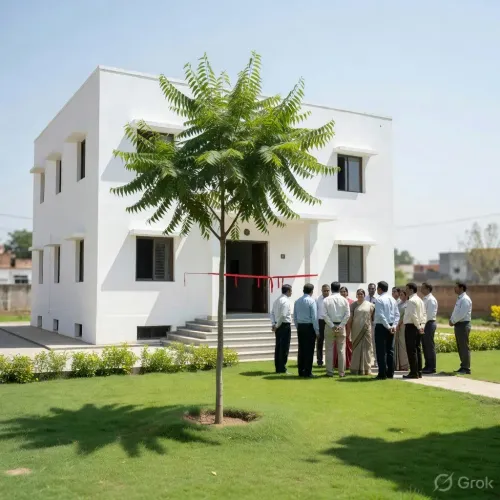
A district long urged to look beyond water-hungry crops now has a dedicated marketplace for its silk farmers. On 14 August 2026, Chief Minister Devendra Fadnavis inaugurated a modern silk cocoon market (रेशीम कोष बाजारपेठ) in Jalna, Marathwada — a facility designed to give sericulture farmers fair price discovery and a direct route to buyers, cutting out the informal middlemen who have long squeezed their margins.
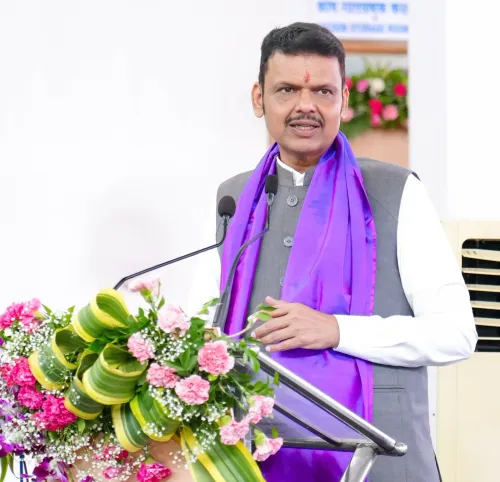
The Chief Minister's Office of Maharashtra posted that the market was built so that 'silk-producing farmers get the right marketplace and the right value for their produce.' At the event, CM Fadnavis tied a symbolic silk thread of resolve (संकल्पाचा रेशीम धागा) and extended his wishes for the prosperity of silk farmers and the growth of the state's sericulture sector.
Why Jalna, and why now
Jalna district sits in the rain-shadow Marathwada belt, where groundwater stress has pushed the state to nudge farmers toward less water-intensive livelihoods. Sericulture — the cultivation of silkworms on mulberry — fits that brief: it demands relatively modest irrigation while offering a premium commodity. The new cocoon market gives those farmers a formalised venue to sell their harvest, replacing the long drives to distant or informal trading points that ate into both time and earnings.
Silk infrastructure as a farm-income lever
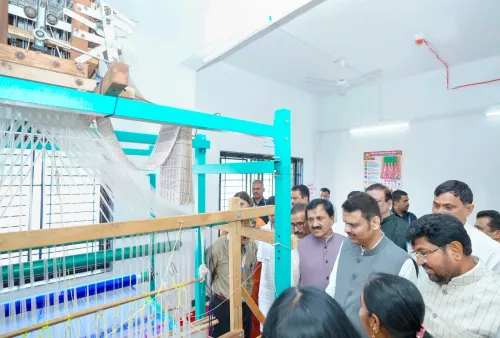
Maharashtra has been expanding sericulture across select districts as part of a broader push to diversify farmer income beyond cotton and soybean — the two dominant, volatile crops of the region. Dedicated cocoon markets are the missing link in that chain: without a transparent, competitive auction floor, even the best silk harvest fetches a fraction of its potential. The Jalna facility aims to close that gap with modern weighing, grading, and trading infrastructure.
The model mirrors similar cocoon-market upgrades in Karnataka — India's largest silk-producing state — where centralised markets have been credited with steadier farmgate prices. Whether Maharashtra can replicate those gains in Marathwada will depend on throughput volumes and whether the market is eventually linked to digital trading platforms or national sericulture development programmes.
Point of View
Debt, and over-dependence on volatile cash crops. By building marketing infrastructure rather than just offering subsidies, the Fadnavis government is betting on supply-chain reform as a durable income lever. The real test will be whether transaction volumes justify the facility and whether it becomes a template for other Marathwada districts. If digital integration follows, it could meaningfully shift the price-power balance toward farmers.
NationPress
14 Aug 2026
Frequently Asked Questions
What is the new silk cocoon market in Jalna?
It is a modern, formalised trading facility inaugurated in Jalna on 14 August 2026 where silk-producing farmers can sell their cocoon harvest at competitive, transparent prices instead of relying on informal or distant markets.
Who inaugurated the Jalna silk market?
Chief Minister Devendra Fadnavis inaugurated the market. He tied a symbolic silk thread of resolve at the event and extended wishes for the prosperity of silk farmers across Maharashtra.
Why is sericulture being promoted in Marathwada?
Marathwada is a water-stressed region where traditional crops like cotton and soybean are highly dependent on erratic rainfall. Sericulture requires relatively less irrigation and offers a premium commodity, making it a viable income-diversification option for farmers in the belt.
How will the Jalna cocoon market help farmers?
The market provides a formal venue with proper weighing, grading, and auction infrastructure, improving price discovery and reducing the margin lost to middlemen or long-distance travel to informal trading points.
Will more such markets open in other Maharashtra districts?
The state has signalled interest in expanding sericulture infrastructure, and similar cocoon markets in other districts — potentially integrated with digital trading platforms — are being watched as the next step, though no specific announcements have been confirmed.