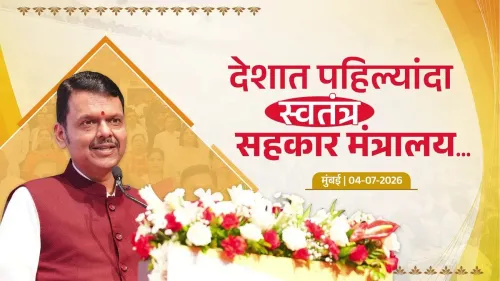
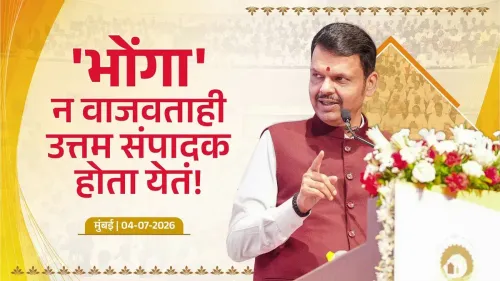
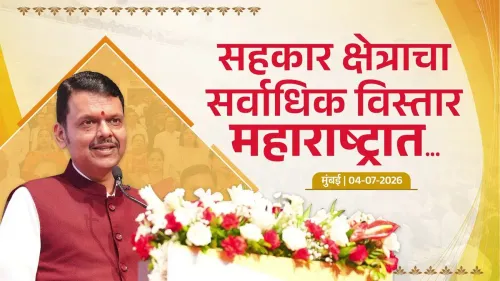
CM Fadnavis marks International Day of Cooperatives
Synopsis
The Chief Minister's Office of Maharashtra marked International Day of Cooperatives on 4 July 2026, drawing attention to the state's century-old cooperative movement spanning sugar, dairy, and rural credit institutions that shape the lives of millions of farmers.
Key Takeaways
International Day of Cooperatives is observed annually on the first Saturday of July, declared by the United Nations in 1992 .
The Chief Minister's Office of Maharashtra acknowledged the day on 4 July 2026 via an official post on X.
Maharashtra hosts one of India's largest cooperative sectors, encompassing sugar factories, dairy federations, and rural credit societies.
The Maharashtra Cooperative Societies Act, 1960 and the 97th Constitutional Amendment, 2011 form the legal backbone of the sector.
Millions of farmers depend on cooperative institutions for credit, procurement, and agro-processing support across the state.
Policy announcements or budget allocations targeting cooperatives are typically expected around this annual observance.
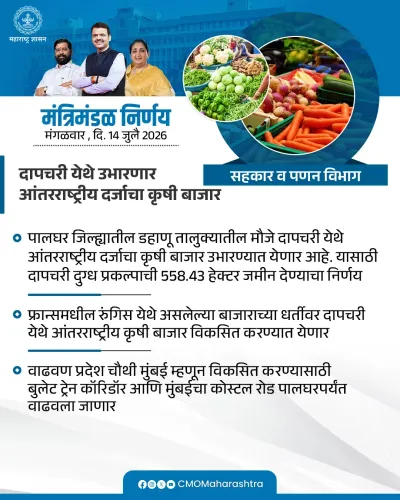
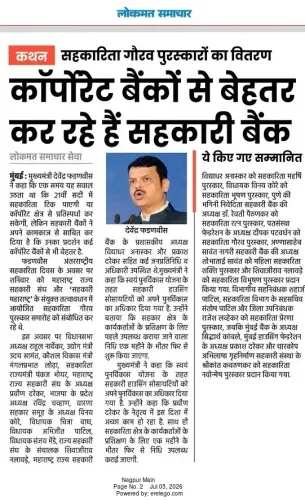
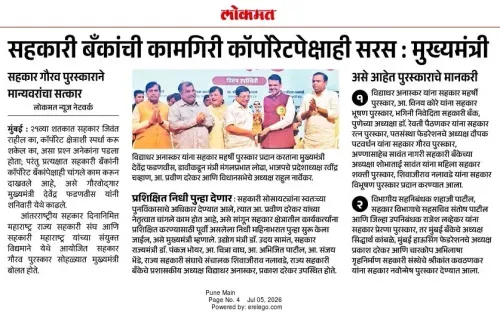
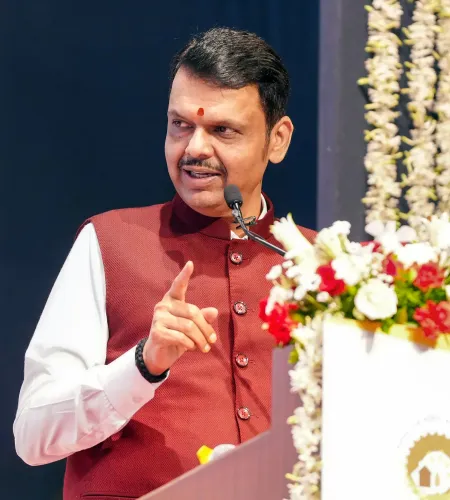
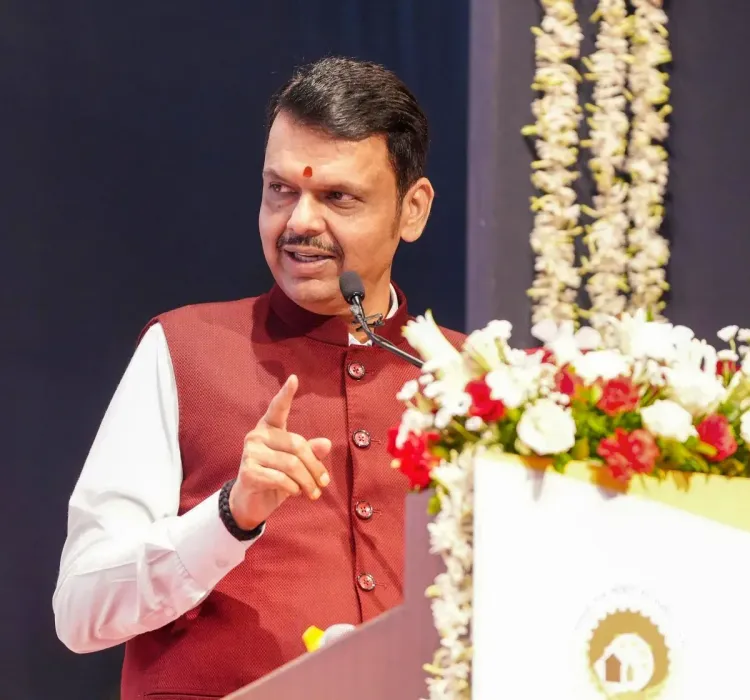
The Chief Minister's Office of Maharashtra acknowledged International Day of Cooperatives on Saturday, 4 July 2026, with a post on X highlighting the occasion under the hashtags #Maharashtra, #DevendraFadnavis, and #InternationalDayOfCooperatives.
Context
International Day of Cooperatives is a United Nations-declared annual observance held on the first Saturday of July each year. Established in 1992, the day promotes the cooperative movement as a vehicle for inclusive economic development, poverty reduction, and community empowerment worldwide.
Maharashtra carries particular significance in this observance. The state is home to one of the largest and most historically rooted cooperative sectors in India, spanning sugar factories, dairy federations, and credit societies whose origins date to the early twentieth century.
Policy Backdrop
The legal architecture underpinning Maharashtra's cooperative ecosystem rests on the Maharashtra Cooperative Societies Act, 1960, which established the governance framework for thousands of institutions across the state. At the national level, the 97th Constitutional Amendment of 2011 granted cooperatives explicit constitutional status and enshrined citizens' right to form cooperative societies.
Chief Minister Devendra Fadnavis, who returned to office after previously serving from 2014 to 2019, has positioned rural economic development — including cooperative strengthening — as a central plank of the state's growth agenda. Maharashtra's cooperative sugar and dairy models, pioneered post-independence, have historically shaped national cooperative policy and continue to serve as benchmarks for decentralised agro-processing and rural credit delivery.
Stakeholders and Impact
The cooperative sector in Maharashtra directly touches the lives of millions of farmers and rural households who rely on cooperative credit societies for affordable loans, on sugar cooperatives for cane procurement, and on dairy federations for milk collection and value addition. These institutions function as a buffer against market volatility and as channels for government welfare delivery in rural districts.
Observances such as the International Day of Cooperatives serve as a platform for state governments to reaffirm policy commitments to this constituency, signal intent to legislators and bureaucrats, and build public awareness of cooperative rights and benefits among members.
What's Next
Annual observances of this kind have historically preceded or accompanied policy announcements, budget allocations, or reform initiatives targeting the cooperative sector in Maharashtra. Stakeholders — including cooperative federations, farmer groups, and rural credit institutions — will watch for any follow-up announcements from the Chief Minister's Office in the days and weeks ahead.
With Maharashtra's cooperative sector remaining a politically and economically significant constituency, the state government's engagement on this occasion underscores the continued centrality of cooperative institutions to its rural development strategy.
Point of View
Whose electoral base is deeply intertwined with Maharashtra's cooperative sugar belt and farming communities, such acknowledgements carry both symbolic and strategic weight. The cooperative sector in Maharashtra is not merely an economic institution — it is a political ecosystem, and any signal from Mantralaya about its future direction is closely read by cooperative leaders, farmer unions, and opposition parties alike. Observers will look for whether this occasion translates into concrete policy action or remains a ceremonial gesture.
NationPress
2 Oct 2026
Frequently Asked Questions
What is International Day of Cooperatives?
International Day of Cooperatives is a United Nations-declared annual observance held on the first Saturday of July, established in 1992 to promote the global cooperative movement and its role in sustainable development.
Why is Maharashtra important for cooperatives in India?
Maharashtra has one of India's largest and oldest cooperative sectors, with sugar factories, dairy federations, and rural credit societies that date to the early twentieth century and have shaped national cooperative policy.
What laws govern cooperatives in Maharashtra?
The Maharashtra Cooperative Societies Act, 1960 is the primary state law, while the 97th Constitutional Amendment of 2011 granted cooperatives explicit constitutional status at the national level.
Who is Devendra Fadnavis?
Devendra Fadnavis is the Chief Minister of Maharashtra from the BJP, who previously served in the role from 2014 to 2019 and returned to office with a focus on state development including the rural and cooperative economy.
What can farmers expect from Maharashtra's cooperative sector announcements?
Annual observances like International Day of Cooperatives have historically preceded state policy announcements, budget allocations, or reform initiatives benefiting cooperative credit societies, sugar factories, and dairy federations in Maharashtra.