Assam adds 403 sq km to protected forests, CM Sarma calls it India's biggest expansion

Synopsis
Assam has quietly added a Jaipur-sized chunk — 403.62 sq km — to its Protected Area Network since 2016, a scale CM Himanta Biswa Sarma calls unprecedented anywhere in India. With the Kaziranga landscape now more contiguous, the expansion could meaningfully shift the odds for one-horned rhinos, elephants, and tigers that need connected corridors to survive long-term.
Key Takeaways
Assam has added 403.62 sq km to its Protected Area Network since 2016 — an area roughly equal to Jaipur city .
Chief Minister Himanta Biswa Sarma called it the biggest single addition to a protected forest network anywhere in India .
The expansion strengthens the Kaziranga landscape, making it a more contiguous conservation zone for the one-horned rhinoceros , elephants, and tigers.
The additions are expected to improve wildlife corridors and reduce habitat fragmentation across ecologically sensitive zones in Assam.
Sarma announced the expansion in a post on X on 18 August , framing it as a major step in India's conservation map.
Assam has expanded its Protected Area Network by 403.62 square kilometres since 2016, with Chief Minister Himanta Biswa Sarma describing it as the single largest addition to a protected forest network anywhere in India. The newly added area is roughly equivalent to the size of Jaipur city, making it a landmark moment in the state's conservation history.
What Was Added and Where
According to details shared by Chief Minister Sarma, the 403.62 sq km expansion has been incorporated into Assam's Protected Area Network over the past several years. The additions are spread across ecologically important zones, with a particular focus on strengthening wildlife habitats and improving landscape connectivity across the state.
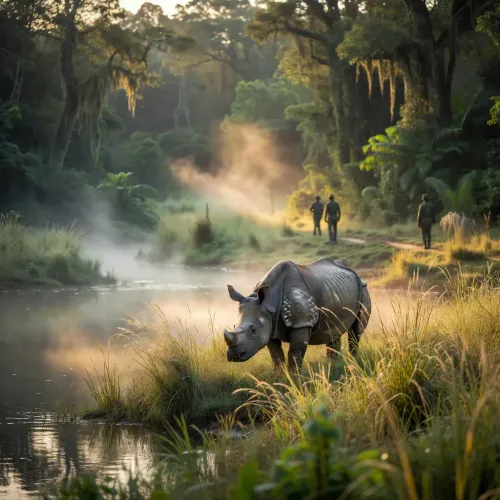
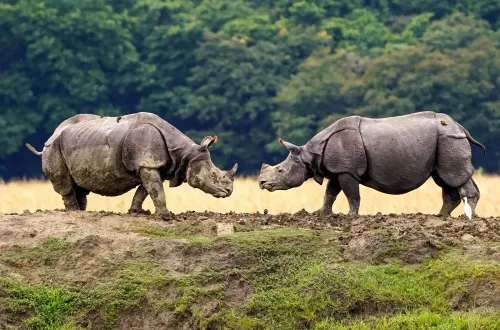
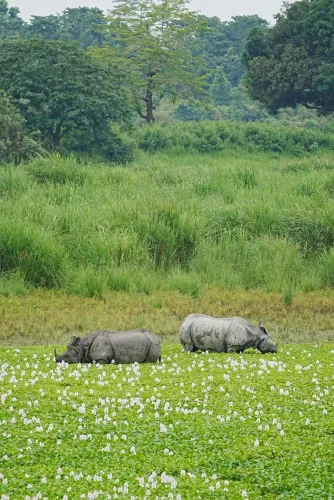
Sarma specifically highlighted the expansion's impact on the Kaziranga landscape, noting that the new areas have helped make Kaziranga National Park a more contiguous conservation zone. Kaziranga is globally recognised for hosting the world's largest population of the one-horned rhinoceros and is also home to elephants, tigers, wild water buffaloes, and numerous migratory and resident bird species.
What CM Sarma Said
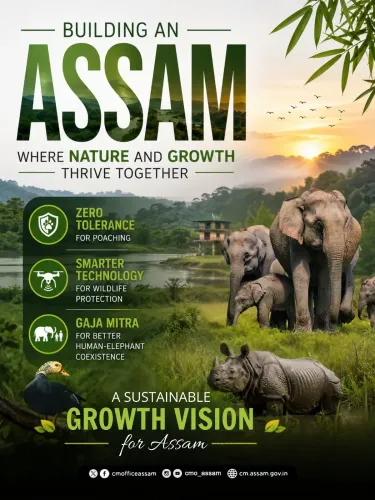
In a post on X (formerly Twitter) on Tuesday, 18 August, Sarma said Assam is expanding India's conservation map and called the move a major step toward strengthening the state's forest and wildlife conservation efforts. He described the addition as unprecedented in scale compared to any single expansion elsewhere in the country.
Why This Expansion Matters
Assam is home to several national parks, wildlife sanctuaries, and ecologically sensitive corridors that support diverse flora and fauna. Expanding the protected area network is critical for reducing human-wildlife conflict, preserving biodiversity-rich zones, and ensuring long-term habitat continuity for large mammals such as elephants and tigers that require wide-ranging landscapes.
Notably, wildlife corridors in northeastern India face persistent pressure from encroachment, infrastructure development, and agricultural expansion. A contiguous protected landscape reduces the fragmentation that isolates animal populations and degrades genetic diversity over time. This is the latest in a series of conservation-focused policy moves by the Assam government, which has increasingly sought to balance development with ecological protection.
Broader Conservation Context
The expansion reinforces Assam's standing as one of India's most significant biodiversity hotspots. The state's protected area additions align with India's broader commitment under international frameworks to expand forest and wildlife conservation coverage. The 403.62 sq km addition is expected to support long-term biodiversity protection and improve the resilience of wildlife populations in the region.
With the Kaziranga landscape now more connected, conservationists anticipate improved movement corridors for rhinoceroses and elephants — species whose habitat needs extend well beyond any single park boundary. The government has indicated that strengthening protected areas remains a priority as the state navigates the dual demands of ecological preservation and economic development.
Point of View
But the more consequential claim is contiguity — specifically, whether the new additions genuinely close critical gaps in the Kaziranga corridor or merely add peripheral buffer zones on paper. Assam's conservation record has improved markedly in recent years, particularly on rhino protection, but landscape connectivity remains the harder problem. Protected area expansion without enforceable corridor management and community buy-in has historically delivered limited wildlife outcomes. The government's framing — comparing the addition to Jaipur's size — is rhetorically effective, but the real metric will be whether animal movement data across these zones improves in the coming years.
NationPress
3 Oct 2026
Frequently Asked Questions
How much forest area has Assam added to its Protected Area Network?
Assam has added 403.62 square kilometres to its Protected Area Network since 2016, according to Chief Minister Himanta Biswa Sarma. The area is roughly equivalent to the size of Jaipur city.
Why is the Assam forest expansion significant for Kaziranga?
The expansion has helped make Kaziranga National Park a more contiguous conservation landscape, improving habitat connectivity for the one-horned rhinoceros, elephants, tigers, and wild water buffaloes. Fragmented habitats are a key long-term threat to large mammal populations.
Is this the largest protected forest expansion in India?
Chief Minister Himanta Biswa Sarma has described it as the biggest single addition to a protected forest network anywhere in India, though an independent comparative assessment has not been cited.
What wildlife does Assam's expanded protected area support?
The expanded network supports a wide range of species including the one-horned rhinoceros , elephants, tigers, wild water buffaloes, and numerous migratory and resident bird species, primarily across the Kaziranga and surrounding landscapes.
When did Assam begin this protected area expansion?
The expansion of 403.62 sq km has been added to Assam's Protected Area Network since 2016 , with Chief Minister Sarma highlighting the cumulative achievement in a post on X on 18 August .