CM Fadnavis Marks GST Day, Highlights Maharashtra's Role
Synopsis
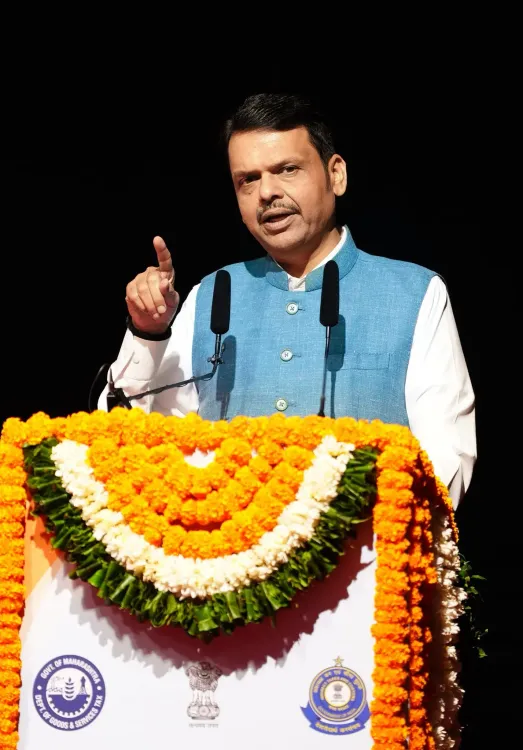
The Chief Minister's Office of Maharashtra marked GST Day on 1 July 2026, the ninth anniversary of India's unified indirect tax regime. Chief Minister Devendra Fadnavis's office posted on X highlighting Maharashtra's role as a top GST revenue contributor and reaffirming the state's commitment to the cooperative federalism model that underpins the reform.
Key Takeaways
GST Day 2026 marks the ninth anniversary of the Goods and Services Tax rollout on 1 July 2017 .
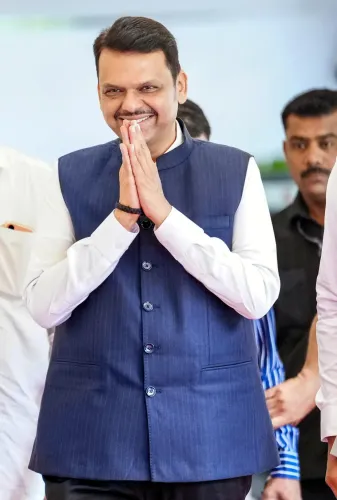
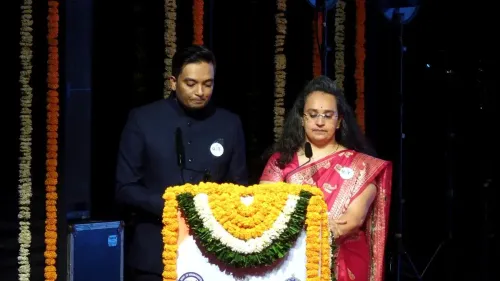
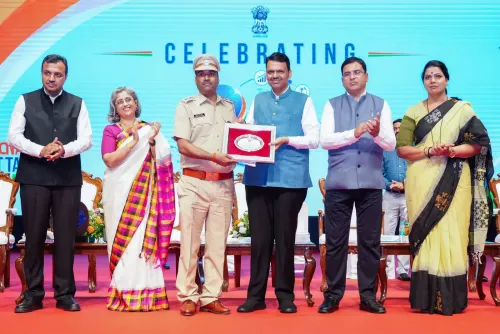
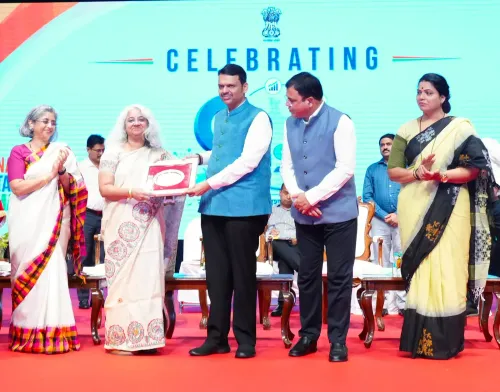
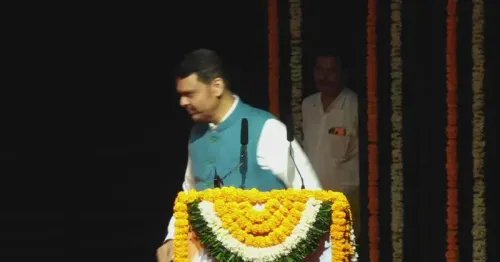
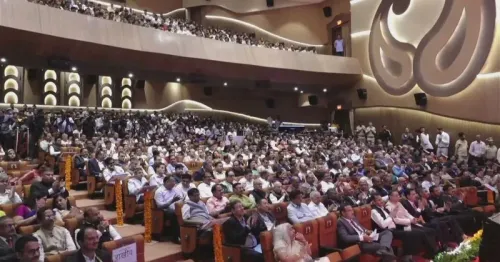
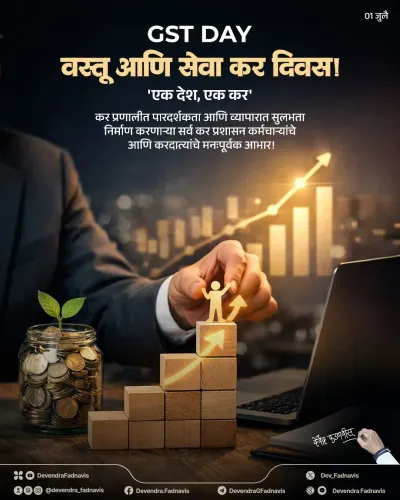
The Chief Minister's Office of Maharashtra posted an official acknowledgement on X with three images.
Maharashtra is consistently among India's top GST revenue-generating states, powered by manufacturing and services sectors.
GST was enabled by the Constitution (One Hundred and First Amendment) Act, 2016 and operationalised through the GST Council .
Future GST Council meetings on rate rationalisation and state compensation will be key to watch.
The Chief Minister's Office of Maharashtra, on behalf of Chief Minister Devendra Fadnavis, marked GST Day on 1 July 2026, acknowledging the ninth anniversary of India's landmark indirect tax reform and underscoring Maharashtra's continued leadership in national GST revenue generation.
Context
GST Day is observed every year on 1 July to commemorate the rollout of the Goods and Services Tax across India on 1 July 2017. The tax replaced a patchwork of central and state levies — including central excise duty, service tax, and state VAT — with a single, destination-based indirect tax. This year's observance marks nine years of the unified regime.
The Chief Minister's Office posted on X with the hashtags #Maharashtra, #DevendraFadnavis, and #GSTDay, accompanied by three images, signalling an official acknowledgement of the anniversary from the state government.
Policy Backdrop
GST was enabled by the Constitution (One Hundred and First Amendment) Act, 2016, which created the legal architecture for a cooperative federal tax structure. The GST Council — comprising the Union Finance Minister and state finance ministers — was established as the apex body to jointly decide rates, exemptions, and administrative rules.
Maharashtra has consistently ranked among the top contributors to national GST collections, driven by its dominant manufacturing base in regions such as Pune and Nashik and a large services sector centred on Mumbai. The state's performance is closely watched as a barometer of the reform's health at the sub-national level.
Chief Minister Devendra Fadnavis, a senior Bharatiya Janata Party leader, has served multiple terms as the head of government in Maharashtra and has been a vocal proponent of GST compliance drives and ease-of-doing-business measures within the state.
Stakeholders and Impact
The anniversary is significant for a broad set of stakeholders: taxpayers — both businesses and individuals — who have navigated the transition from the old multi-layered tax system, and state governments that depend on GST revenues for development expenditure. Maharashtra's fiscal health is closely tied to buoyant GST inflows given its large urban consumer base.
Annual GST Day observances have become occasions for state governments to highlight compliance achievements, announce outreach programmes for small businesses, and reiterate the reform's contribution to a seamless national market. Maharashtra's participation in such observances reflects the state's stake in the cooperative federalism model that underpins GST governance.
What's Next
Attention will now turn to upcoming GST Council meetings, where rate rationalisation proposals and compensation-related discussions between the Union and states are expected to continue. Maharashtra is likely to push for positions that protect its revenue interests while supporting broader simplification of the rate structure.
Any state-level compliance drives or taxpayer outreach initiatives announced by the Maharashtra government in the coming days will be closely tracked as indicators of how the Fadnavis administration plans to build on the GST Day momentum.
Point of View
Reinforcing ideological alignment ahead of any state budget or GST Council deliberations. Maharashtra's status as the single largest GST contributor gives the state's voice outsized weight in Council negotiations, and public observances of this kind build a narrative of fiscal responsibility. The post also signals to industry and taxpayers that the state government remains invested in compliance and ease-of-doing-business messaging. Taken together, it is a low-cost, high-visibility affirmation of cooperative federalism that serves both state and central political interests.
NationPress
1 Jul 2026
Frequently Asked Questions
What is GST Day and why is it celebrated on 1 July?
GST Day is observed on 1 July every year to mark the launch of the Goods and Services Tax across India on 1 July 2017 , when the unified indirect tax regime replaced dozens of central and state levies.
What did the Maharashtra Chief Minister's Office post on GST Day 2026?
The Chief Minister's Office of Maharashtra posted on X on 1 July 2026 with the hashtags #GSTDay , #DevendraFadnavis , and #Maharashtra , along with three images, marking the ninth anniversary of the GST rollout.
How much GST does Maharashtra contribute to India's tax collections?
Maharashtra consistently ranks among the top GST revenue-generating states in India, owing to its large manufacturing hubs in Pune and Nashik and a major services sector centred on Mumbai , though specific 2026 figures have not been confirmed in this announcement.
Who is Devendra Fadnavis?
Devendra Fadnavis is a senior Bharatiya Janata Party leader who has served multiple terms as Chief Minister of Maharashtra and is the current head of government in the state.
What is the GST Council and what role does Maharashtra play in it?
The GST Council is the apex federal body comprising the Union Finance Minister and state finance ministers that jointly sets GST rates and rules. Maharashtra , as one of the largest revenue contributors, holds significant influence in Council deliberations on rate rationalisation and state compensation.