CM Fadnavis marks Simhastha Kumbh 2027 launch in Nashik

Synopsis
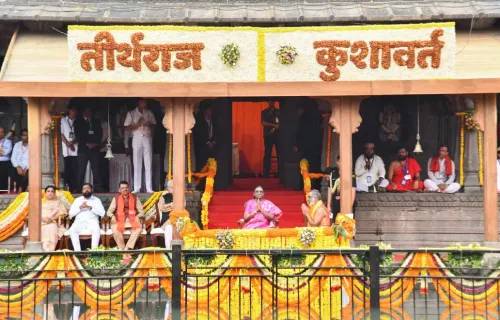
Maharashtra CM Devendra Fadnavis shared devotional visuals of the Dharmdhwaj hoisting at Nashik's Ramkund and Trimbakeshwar's Kushavart Tirtha on 31 October 2026, formally commencing the Nashik-Trimbakeshwar Simhastha Mahakumbh 2027 cycle.
Key Takeaways
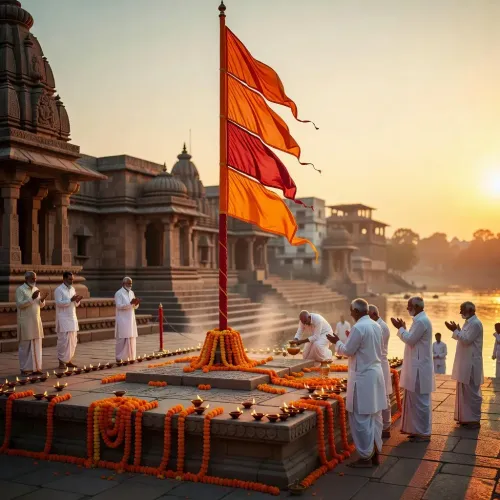
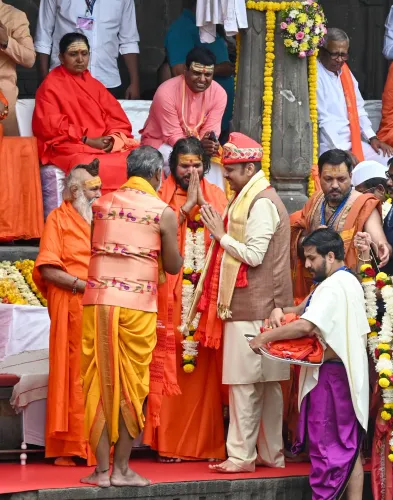
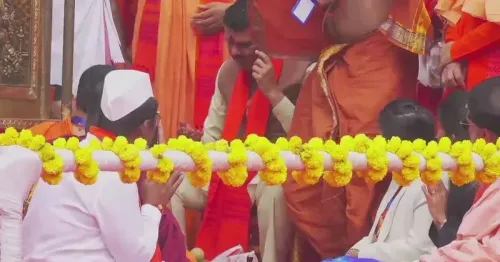
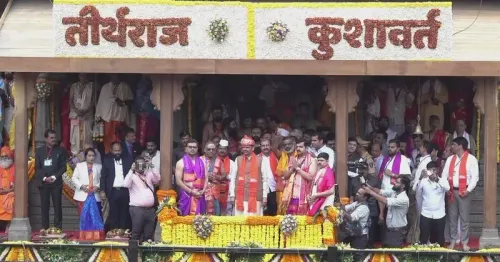
The Dharmdhwaj (sacred flag) was hoisted at Ramkund, Nashik and Kushavart Tirtha, Trimbakeshwar on 31 October 2026 , marking the ceremonial start of Simhastha Kumbh 2027.
CM Devendra Fadnavis shared a video of both ceremonies, describing them as 'special and spiritually uplifting' moments.
The Nashik-Trimbakeshwar Simhastha Kumbh is held once every twelve years ; the last edition was in 2015 .
Trimbakeshwar houses one of India's twelve Jyotirlingas and Kushavart Tirtha , believed to be the origin of the Godavari river.
The flag-hoisting ritual formally triggers multi-year state government planning for infrastructure, crowd management, and sanitation ahead of peak bathing dates in 2027 .
A sacred flag rose over two of Maharashtra's holiest sites on 31 October 2026, signalling the formal commencement of preparations for one of Hinduism's grandest pilgrimages. Maharashtra Chief Minister Devendra Fadnavis shared glimpses of the Dharmdhwaj (sacred flag) hoisting ceremony held simultaneously at Ramkund in Nashik and Kushavart Tirtha in Trimbakeshwar, marking the auspicious opening of the Nashik-Trimbakeshwar Simhastha Mahakumbh 2027.
The flag that starts a million-pilgrim clock
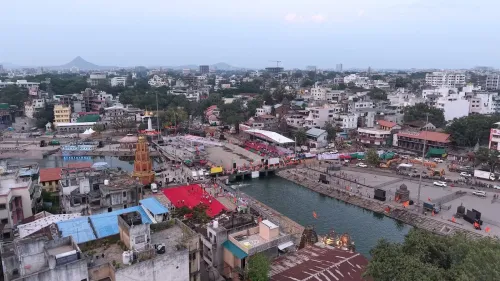
The Dharmdhwaj Arohan — the ritual hoisting of the sacred religious flag — is no ordinary ceremony. It is the traditional signal that the Simhastha cycle has begun, setting in motion a multi-year planning and preparation effort by the state government. Ramkund, the storied sacred tank on the banks of the Godavari river in Nashik, and Kushavart Tirtha, the revered kund at Trimbakeshwar — home to one of the twelve Jyotirlingas of India — together form the twin spiritual poles of this Kumbh edition.
CM Fadnavis described the moments as 'special and spiritually uplifting,' posting a video capturing the devotional atmosphere of both sites. The Marathi caption read: 'नाशिक-त्र्यंबकेश्वर सिंहस्थ महाकुंभपर्व २०२७ च्या मंगलमय शुभारंभाचे... काही खास, भक्तिमय क्षण' — 'some special, devotional moments from the auspicious commencement of the Nashik-Trimbakeshwar Simhastha Mahakumbh 2027.'
Why the Nashik Simhastha stands apart
The Simhastha Kumbh Mela is held at Nashik-Trimbakeshwar only once every twelve years, when Jupiter transits into Leo — a celestial alignment considered supremely auspicious in Hindu tradition. The last full edition was held in 2015, drawing tens of millions of pilgrims to the Godavari ghats. The 2027 edition is therefore not just a religious event but a massive logistical and civic undertaking for the Maharashtra government.
State governments in India have historically treated Kumbh Melas as whole-of-government exercises: dedicated coordination committees, temporary infrastructure across ghats, road widening, sanitation, crowd-control systems, and medical facilities all require years of lead time. The Dharmdhwaj ceremony effectively starts that countdown clock — from this moment, government departments, municipal bodies, and religious trusts begin aligning on timelines and budgets.
Trimbakeshwar's sacred weight in the 2027 cycle
Trimbakeshwar, located roughly 28 kilometres from Nashik city, carries extraordinary religious significance. Its Jyotirlinga temple is among the most venerated Shaivite shrines in the country, and Kushavart Tirtha — the sacred tank within the temple complex — is believed to be the source of the Godavari river. For the Simhastha, both Nashik and Trimbakeshwar operate as co-equal ceremonial centres, a distinction that makes this Kumbh unique among the four major sites of the pilgrimage cycle.
With the Dharmdhwaj now flying at both sites, the attention of pilgrims, administrators, and infrastructure planners across Maharashtra turns to what comes next: state budget allocations, ghat development tenders, and the build-up toward the peak Shahi Snan (royal bathing) dates in 2027.
The flag is up. The countdown has begun.
Point of View
Presiding over this launch carries clear political value: the Simhastha draws devotees from across Maharashtra and beyond, and the BJP has historically sought to position itself as a steward of major Hindu pilgrimages. The twelve-year gap since the 2015 edition means institutional memory has to be rebuilt almost from scratch, making early mobilisation — of budgets, committees, and contractors — critical. How the state translates this ceremonial momentum into concrete infrastructure delivery over the next year will be the real measure of its commitment.
NationPress
1 Nov 2026
Frequently Asked Questions
What is the Nashik-Trimbakeshwar Simhastha Kumbh Mela?
The Nashik-Trimbakeshwar Simhastha Kumbh Mela is a major Hindu pilgrimage festival held once every twelve years when Jupiter enters Leo, drawing tens of millions of devotees to sacred sites on the Godavari river in Nashik and at the Jyotirlinga temple in Trimbakeshwar, Maharashtra.
When is the next Simhastha Kumbh Mela in Nashik?
The next Simhastha Kumbh Mela in Nashik-Trimbakeshwar is scheduled for 2027. The formal commencement was marked by the Dharmdhwaj hoisting ceremony on 31 October 2026.
What is the Dharmdhwaj hoisting ceremony?
The Dharmdhwaj Arohan is the ritual hoisting of a sacred religious flag at key pilgrimage sites to signal the auspicious start of a Kumbh Mela cycle. At Nashik-Trimbakeshwar, it was held at Ramkund and Kushavart Tirtha on 31 October 2026.
What is Kushavart Tirtha in Trimbakeshwar?
Kushavart Tirtha is a sacred tank within the Trimbakeshwar temple complex in Maharashtra, considered one of the holiest sites in Hinduism and believed to be the source of the Godavari river. It is a central site of the Simhastha Kumbh rituals.
When was the last Simhastha Kumbh Mela in Nashik?
The last full Simhastha Kumbh Mela at Nashik-Trimbakeshwar was held in 2015, twelve years before the upcoming 2027 edition.