CM Fadnavis Meets NITI Aayog VC on Mumbai Growth Centre, Vadhavan Port
Synopsis
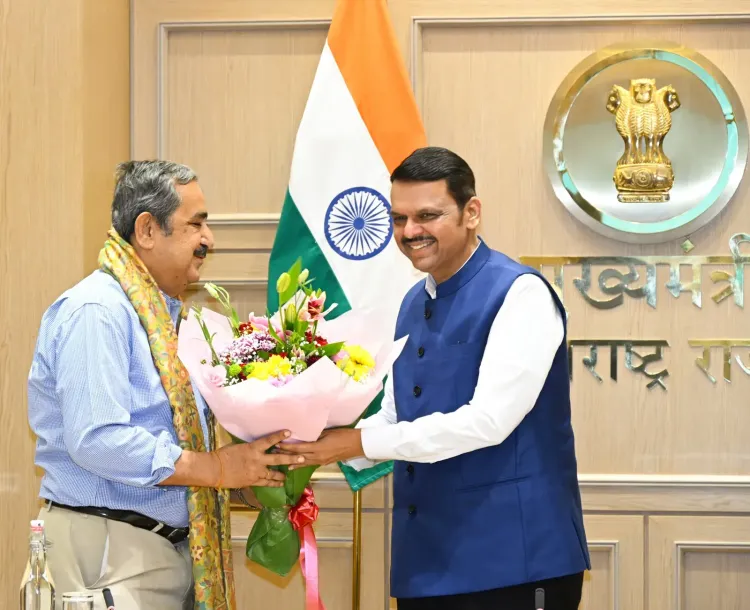
Chief Minister Devendra Fadnavis chaired a meeting with NITI Aayog Vice Chairman Dr Ashok Kumar Lahiri on 20 November 2026 at Varsha Bungalow, Mumbai, covering the Mumbai Growth Centre, Vadhavan Port in Palghar, and the Maharashtra river-linking project, with senior officials in attendance.
Key Takeaways
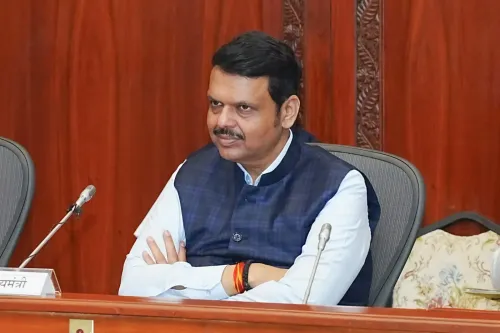
CM Devendra Fadnavis chaired the meeting at Varsha Bungalow, Mumbai on 20 November 2026 at 11:35 am .
NITI Aayog Vice Chairman Dr Ashok Kumar Lahiri was present, reflecting high-level centre-state engagement.
The agenda covered three flagship infrastructure initiatives: the Mumbai Growth Centre , the Vadhavan Port (Palghar district), and the river-linking project .
Vadhavan Port is a proposed deep-sea facility under the central Sagarmala Project (launched 2015) designed to ease cargo pressure on Mumbai and JNPA ports.
The river-linking project draws on the National River Interlinking Project framework conceptualised in the early 2000s to address Maharashtra's water transfer needs.
Senior state officials attended, signalling the meeting was a substantive coordination exercise, not a preliminary discussion.
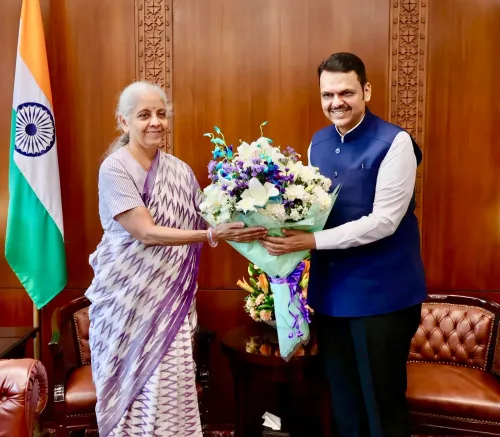
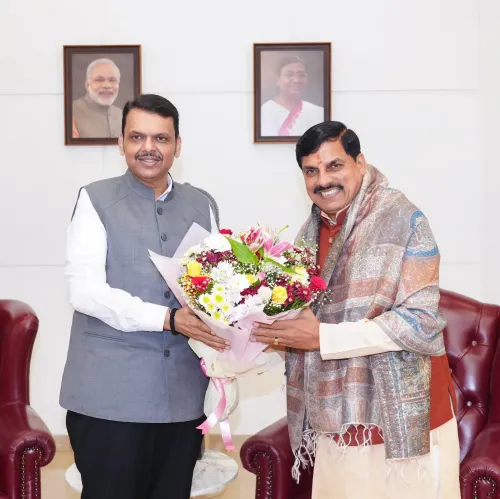
Three of Maharashtra's most ambitious infrastructure bets — a metropolitan growth engine, a deep-sea port, and a river-linking network — landed on the same table on Friday, 20 November 2026, when Chief Minister Devendra Fadnavis chaired a high-level meeting at Varsha Bungalow, Mumbai with NITI Aayog Vice Chairman Dr Ashok Kumar Lahiri. Senior state officials were also present, signalling the seriousness of the state-centre alignment exercise.
Three projects, one room: what was on the table
The agenda covered the Mumbai Growth Centre, a regional economic development initiative targeting investment and urban expansion in the Mumbai metropolitan area; the Vadhavan Port in Palghar district, a proposed deep-sea port that sits at the heart of India's port-led development push under the Sagarmala Project launched in 2015; and the river-linking project, a water-transfer proposal for Maharashtra rooted in the National River Interlinking Project conceptualised in the early 2000s. Each of these carries inter-departmental and centre-state dimensions that make a NITI Aayog conversation essential.
Vadhavan Port, in particular, has been a long-gestating project — a deep-draft facility designed to handle the next generation of container vessels and reduce cargo pressure on the Mumbai and JNPA ports. Its progress hinges on environmental clearances, land acquisition, and central funding approvals, all of which require coordination between the state machinery and New Delhi's planning architecture.
Why NITI Aayog's presence matters here
NITI Aayog, established in 2015 to replace the Planning Commission, plays a pivotal role as the bridge between state ambitions and central resource allocation. Maharashtra regularly engages the body on priority infrastructure to align state project pipelines with national planning frameworks — from multimodal connectivity corridors to urban economic nodes. Having the Vice Chairman in the room, rather than a mid-level representative, underscores that these are not preliminary scoping conversations.
The river-linking component adds another dimension: water scarcity and agricultural demand in Maharashtra make inter-basin transfer projects politically and economically charged, requiring both technical alignment with Union Jal Shakti priorities and careful stakeholder management across districts.
Maharashtra's infrastructure sprint and what comes next
The Fadnavis-led BJP government has positioned infrastructure development — ports, urban growth corridors, water security — as its core economic mandate. Meetings of this nature typically precede the submission of detailed project reports, funding proposals, or clearance applications. For Vadhavan Port and the river-linking initiative especially, the next critical milestones will be environmental clearances and central financial approvals.
With a NITI Aayog Vice Chairman now directly engaged, Maharashtra has signalled it wants these projects moving — fast and in formation with New Delhi.
Point of View
Fadnavis is effectively fast-tracking the political bandwidth needed for environmental and financial clearances. This fits a broader pattern of BJP-ruled states using NITI Aayog as an active lobbying and alignment forum rather than a passive advisory body. The simultaneous discussion of a port, a water project, and an urban growth centre suggests Maharashtra is packaging these as a connected economic vision — not isolated asks.
NationPress
20 Nov 2026
Frequently Asked Questions
What was discussed in CM Fadnavis's meeting with NITI Aayog on 20 November 2026?
The meeting covered three major infrastructure initiatives: the Mumbai Growth Centre, the Vadhavan Port in Palghar district, and the Maharashtra river-linking project. Senior state officials were also present.
What is the Vadhavan Port project?
Vadhavan Port is a proposed deep-sea port in Palghar district, Maharashtra, under the central government's Sagarmala Project launched in 2015. It is designed to handle large container vessels and reduce cargo pressure on the Mumbai and JNPA ports.
Who is Dr Ashok Kumar Lahiri?
Dr Ashok Kumar Lahiri is the Vice Chairman of NITI Aayog, the Government of India's premier policy think tank established in 2015 to replace the Planning Commission and coordinate cooperative federalism on infrastructure and growth.
What is the Mumbai Growth Centre?
The Mumbai Growth Centre is a regional economic development initiative focused on driving investment and urban expansion in the Mumbai metropolitan area.
What is Maharashtra's river-linking project?
Maharashtra's river-linking project is a water-transfer proposal rooted in the National River Interlinking Project framework conceptualised in the early 2000s, aimed at addressing water scarcity and agricultural water demand across the state.