CM Fadnavis Opens Janjatiya Gaurav Divas 2026 with PM Modi
Synopsis
Chief Minister Devendra Fadnavis and Prime Minister Narendra Modi (online) inaugurated Maharashtra's Rashtriya Adivasi Sanskritik Mahotsav on 15 November 2026, marking the 151st birth anniversary of tribal freedom fighter Birsa Munda on the fifth edition of Janjatiya Gaurav Divas.
Key Takeaways
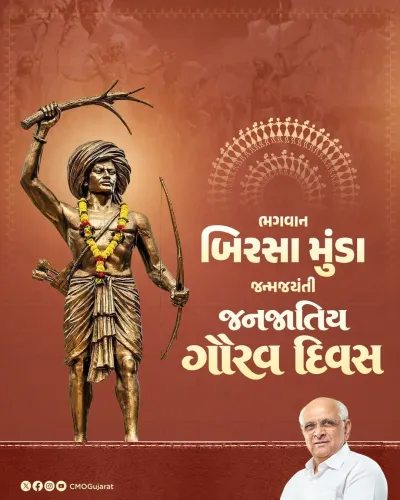
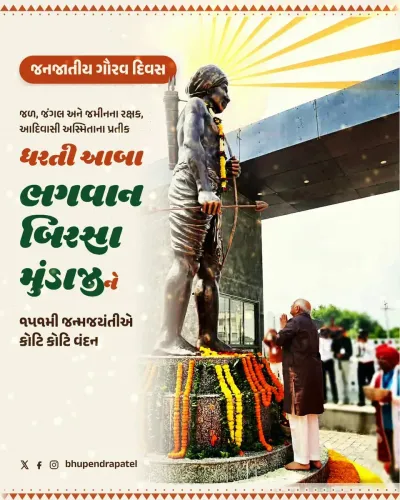
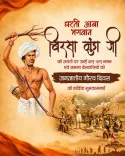
15 November 2026 marks the 151st birth anniversary of tribal icon Birsa Munda , revered as Dharti Aaba .
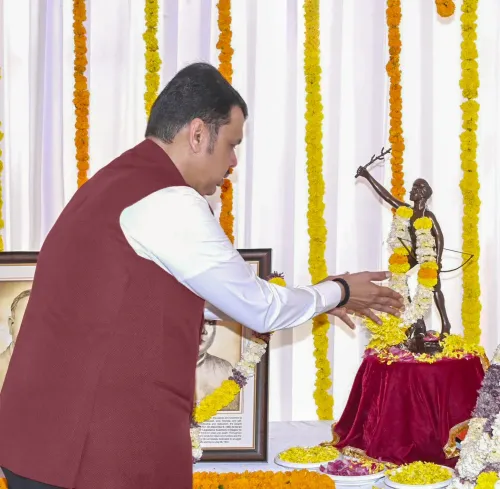
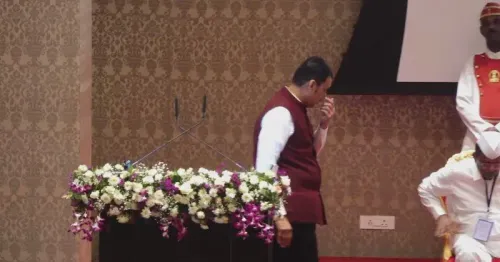
CM Devendra Fadnavis presided in person at the inauguration of the Rashtriya Adivasi Sanskritik Mahotsav in Maharashtra.
PM Narendra Modi joined the ceremony online , addressing the event digitally.
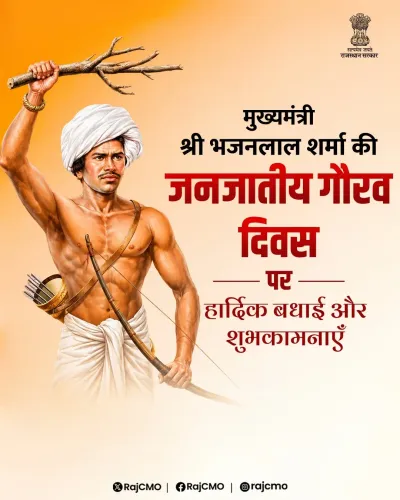
Janjatiya Gaurav Divas was declared a national observance by the Government of India in 2021 to honour Scheduled Tribe contributions to India's freedom struggle.
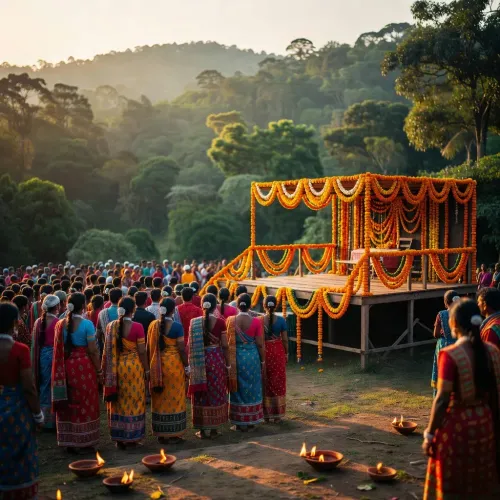
The festival serves as a platform for tribal arts, cultural heritage, and policy discussions, with Maharashtra coordinating the national-level cultural event this year.
On the 151st birth anniversary of Birsa Munda — the tribal icon revered across India as Dharti Aaba, 'Father of the Earth' — Maharashtra rolled out the Rashtriya Adivasi Sanskritik Mahotsav on Sunday, 15 November 2026, with Chief Minister Devendra Fadnavis presiding in person and Prime Minister Narendra Modi joining the inauguration ceremony online.
Who was Birsa Munda — and why 151 matters
Born in 1875 in the Chotanagpur region of present-day Jharkhand, Birsa Munda led the Munda community's fierce resistance against British colonial land dispossession — a movement that reverberated across the Adivasi belt and earned him near-mythic status among India's indigenous peoples. The number 151 carries weight: a sesquicentennial-plus-one, it marks the deepening of a commemorative tradition that the central government formalized only five years ago.
How Janjatiya Gaurav Divas became a national fixture
The Government of India declared November 15 as Janjatiya Gaurav Divas in 2021, anchoring Birsa Munda's birth anniversary as the country's annual salute to Scheduled Tribe contributions to the freedom struggle and to living Adivasi culture. Since then, the date has grown into a layered national platform — combining tribal arts showcases, heritage discussions, and policy announcements — observed simultaneously at the central and state levels. Maharashtra's hosting of the Rashtriya Adivasi Sanskritik Mahotsav this year underlines the state's coordinating role between New Delhi's agenda and its own substantial Adivasi population.
Fadnavis on the ground, Modi online — what the format signals
CM Devendra Fadnavis anchored the state's physical presence at the inauguration, while PM Modi addressed the event digitally — a hybrid format that has become a recognisable signature of large-scale government cultural events, extending the Prime Minister's reach without logistical constraints. The Chief Minister's Office of Maharashtra announced the event live on its official account, flagging both leaders' involvement and the cultural festival's national character. Maharashtra's Adivasi communities — spread across districts such as Nashik, Palghar, Gadchiroli, and Nandurbar — form a significant demographic bloc in the state, lending the event both cultural and political salience.
India has used each successive Janjatiya Gaurav Divas to layer new announcements on tribal welfare, education, and livelihood onto the commemorative frame. Whether this edition carries fresh policy commitments will become clear as the festival's proceedings unfold through the day.
Point of View
Giving the central government a structured moment to signal commitment to India's roughly 104 million Scheduled Tribe citizens. Maharashtra's prominent hosting role in 2026 reflects the state's large and politically significant Adivasi population, making CM Fadnavis's on-ground presence a statement of both administrative coordination and electoral attentiveness. The hybrid PM-online format, now routine at such events, extends federal visibility without demanding physical attendance, reinforcing the Centre's ability to 'be everywhere' on high-symbolism occasions. Watch whether this edition produces substantive tribal welfare announcements — that is increasingly how the day's legacy is measured.
NationPress
15 Nov 2026
Frequently Asked Questions
What is Janjatiya Gaurav Divas and why is it celebrated on November 15?
Janjatiya Gaurav Divas is India's national tribal pride day, observed on November 15 each year to coincide with the birth anniversary of Birsa Munda , the Munda tribal leader and freedom fighter born in 1875 . The Government of India declared the observance in 2021 to recognise Scheduled Tribe contributions to the country's freedom struggle and culture.
Who is Birsa Munda and why is he called Dharti Aaba?
Birsa Munda was a tribal leader from the Chotanagpur region who led a major uprising against British colonial land policies in the late 19th century. He is called Dharti Aaba — meaning 'Father of the Earth' — by tribal communities who revere him as a protector of Adivasi land and identity.
What is the Rashtriya Adivasi Sanskritik Mahotsav?
The Rashtriya Adivasi Sanskritik Mahotsav is a national tribal cultural festival held as part of Janjatiya Gaurav Divas celebrations, showcasing Adivasi arts, traditions, and performances. Maharashtra hosted the 2026 edition, inaugurated by CM Devendra Fadnavis with PM Narendra Modi joining online.
How did PM Modi participate in the Janjatiya Gaurav Divas 2026 event in Maharashtra?
PM Narendra Modi participated online in the inauguration of the Rashtriya Adivasi Sanskritik Mahotsav on 15 November 2026 , while CM Devendra Fadnavis was present in person at the Maharashtra venue.
Since when has Janjatiya Gaurav Divas been observed in India?
India has observed Janjatiya Gaurav Divas annually since 2021 , when the central government formally declared November 15 a national day to honour tribal communities' role in the independence movement. The 2026 edition marks the sixth year of the observance.