Piyush Goyal Marks Janjatiya Gaurav Divas, Hails Birsa Munda
Synopsis
On Janjatiya Gaurav Divas, Union Minister Piyush Goyal honoured Birsa Munda — reverently called Dharti Aaba — describing his jal-jungle-zameen movement as a timeless resolve for tribal self-respect, and called for stronger Adivasi participation in India's Viksit Bharat vision.
Key Takeaways
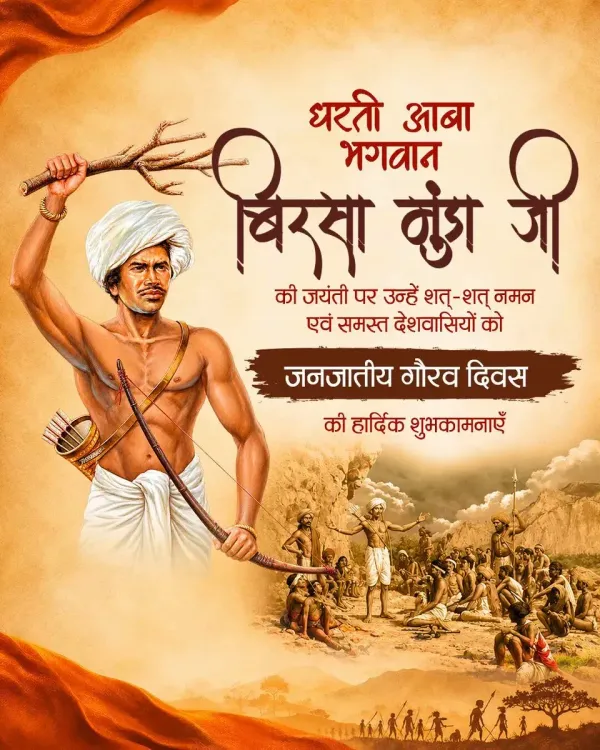
15 November is observed as Janjatiya Gaurav Divas , instituted in 2021 to mark Birsa Munda's birth anniversary.
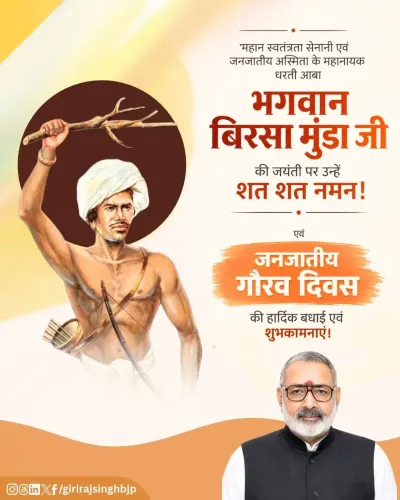
Union Minister Piyush Goyal honoured Birsa Munda with the title Dharti Aaba (Father of the Earth) in his tribute post.
Birsa Munda led the Ulgulan uprising in the late 19th century, asserting tribal rights over jal, jungle aur zameen (water, forests and land) against British colonial rule.
Goyal linked the tribal legacy explicitly to the government's Viksit Bharat vision, calling for stronger Adivasi participation in India's development journey by 2047 .
The observance is part of a broader central government effort to mainstream Scheduled Tribe identity and heritage in India's national narrative.
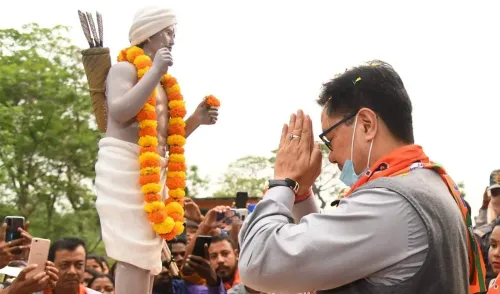
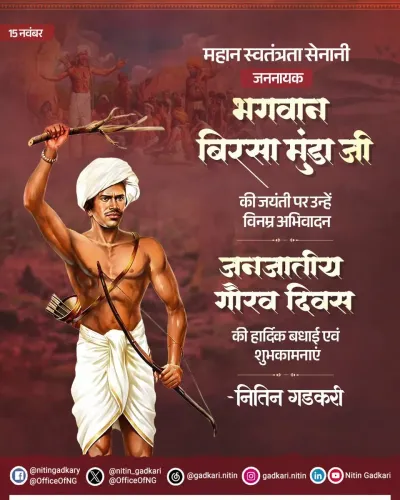
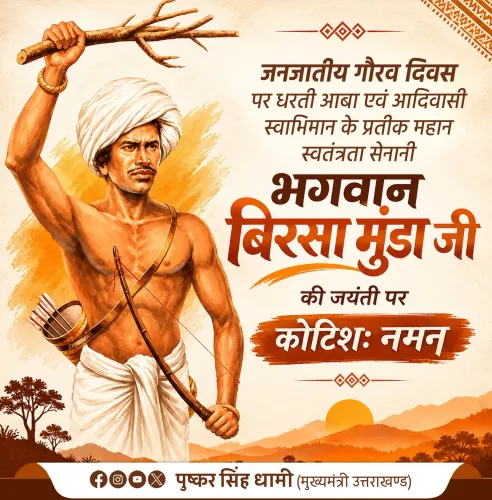
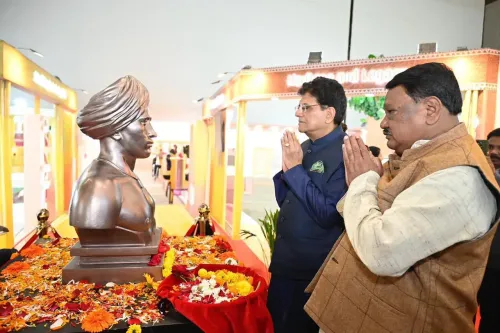
A voice that rose from the soil of Jharkhand more than a century ago still echoes across millions of Indian hearts — and on 15 November 2026, Union Commerce and Industry Minister Piyush Goyal invoked that legacy on the birth anniversary of Birsa Munda, honouring the tribal icon on Janjatiya Gaurav Divas.
In his post, Goyal addressed Birsa Munda by his reverential title Dharti Aaba — 'Father of the Earth' — and described his struggle for jal, jungle aur zameen (water, forest and land) as 'not merely a movement, but a resolve to protect self-respect, rights and one's own culture.' He extended greetings to fellow citizens and called on the country to 'strengthen the participation of tribal society in the resolve of Viksit Bharat, honouring their rich traditions, culture and contributions.'
Who Was Birsa Munda, and Why Does 15 November Matter
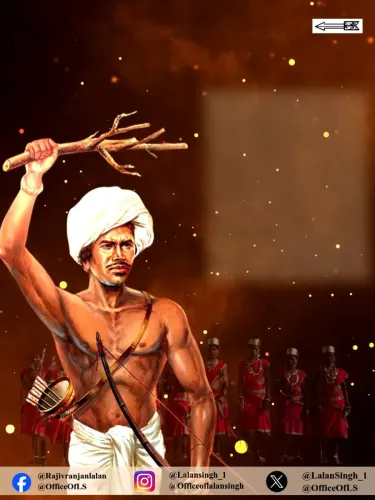
Birsa Munda, born on 15 November 1875 in present-day Jharkhand, led the Ulgulan — the 'Great Tumult' — a late-19th-century uprising that challenged British colonial encroachment on tribal lands and asserted the community's sovereign rights over forests and water bodies. He died in British custody in 1900, aged just 25, but his name became synonymous with Adivasi resistance and dignity.
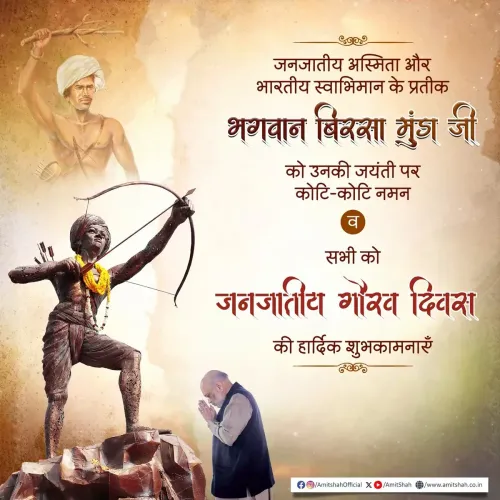
In 2021, the Government of India declared 15 November as Janjatiya Gaurav Divas — National Tribal Pride Day — to institutionalise recognition of his legacy and spotlight the contributions of Scheduled Tribe communities to India's freedom struggle and cultural heritage. The observance has since anchored the central government's annual outreach to tribal populations.
Tribal Inclusion at the Heart of the Viksit Bharat Vision
Goyal's post is not an isolated tribute — it sits within a deliberate, sustained political and policy narrative. The Viksit Bharat framework, the government's official roadmap for a developed India by 2047, explicitly emphasises the economic and social participation of tribal communities as a pillar of inclusive growth. The Ministry of Tribal Affairs has anchored several welfare and land-rights schemes around this goal.
The recurring public emphasis on Adivasi identity — through commemorations of figures like Birsa Munda and events tied to tribal heritage — reflects the central government's broader effort to weave Scheduled Tribe narratives into the mainstream of India's nation-building story. For a government that has significantly expanded its electoral footprint in tribal-majority districts across Jharkhand, Chhattisgarh, Odisha and Madhya Pradesh, that symbolism carries weight well beyond ceremony.
Today's remembrance asks a pointed question for the year ahead: will the cultural salute translate into measurable gains on forest rights, tribal land protections, and economic access? That answer will define whether Janjatiya Gaurav Divas remains a date on the calendar — or becomes a benchmark.
Point of View
Chhattisgarh and Odisha. By pairing reverence for Birsa Munda with the Viksit Bharat framework, the message attempts to bridge historical grievance and future aspiration in one breath. The institutionalisation of Janjatiya Gaurav Divas in 2021 gave this annual outreach a formal state imprimatur, raising the stakes: cultural recognition now implicitly promises policy follow-through. How the government translates these commemorations into concrete advances on forest rights and tribal welfare schemes will determine their lasting resonance.
NationPress
15 Nov 2026
Frequently Asked Questions
What is Janjatiya Gaurav Divas and when is it observed?
Janjatiya Gaurav Divas is a national observance held every year on 15 November to honour the birth anniversary of tribal leader Birsa Munda and recognise the contributions of tribal communities to India's freedom struggle and culture. The Government of India declared it in 2021 .
Who was Birsa Munda and what was his significance?
Birsa Munda was a tribal leader born on 15 November 1875 in present-day Jharkhand who led the Ulgulan movement, asserting tribal rights over jal (water), jungle (forest) and zameen (land) against British colonial rule. He is revered as Dharti Aaba — Father of the Earth — across tribal communities.
Why did Piyush Goyal post about Birsa Munda?
Union Commerce and Industry Minister Piyush Goyal posted a tribute on 15 November 2026 to mark Janjatiya Gaurav Divas , honouring Birsa Munda's legacy and calling on citizens to strengthen tribal communities' participation in the Viksit Bharat vision of a developed India by 2047.
What does Viksit Bharat mean for tribal communities?
Viksit Bharat is the Indian government's official goal of a fully developed India by 2047 . The framework explicitly includes the economic and social participation of tribal populations as a core pillar, linking their cultural contributions to mainstream national development.
What was the Ulgulan movement?
The Ulgulan , meaning 'Great Tumult,' was a late-19th-century uprising led by Birsa Munda against British colonial encroachment on tribal forests and lands in what is now Jharkhand . It asserted Adivasi rights over water, forests and land, and became a defining moment in India's tribal resistance history.