CM Fadnavis Orders AI Platform, Algorithm Audit for Mumbai Ride-Hailing

Synopsis
Maharashtra CM Devendra Fadnavis chaired a review of the Maharashtra Motor Vehicle Aggregator Rules, 2026 in Mumbai, ordering an AI-powered compliance platform and an audit of ride-allocation algorithms to ensure fair treatment of independent taxi drivers and robust passenger safety.
Key Takeaways
Devendra Fadnavis chaired a review of the Maharashtra Motor Vehicle Aggregator Rules, 2026 at Varsha Bungalow, Mumbai on 29 October 2026 .
The Transport Department has been directed to build an AI-powered digital platform to track vehicle and driver records, shifts, and regulatory compliance in real time.
Ride-allocation algorithms used by aggregators will be audited to check for discrimination against independent taxi drivers and smaller fleet operators.
Key concerns addressed include passenger safety , transparency in ride allocation, and fair opportunities for local drivers.
Transport Minister Pratap Sarnaik and senior officials attended the meeting, indicating cross-departmental commitment to implementation.
Maharashtra's approach builds on the central Motor Vehicle Aggregator Guidelines of 2020 , pushing further with active digital and algorithmic oversight.
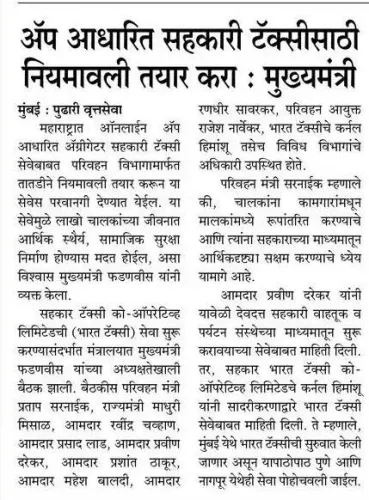
Maharashtra's ride-hailing sector just got a hard look from the top. Maharashtra Chief Minister Devendra Fadnavis chaired a high-level review of the Maharashtra Motor Vehicle Aggregator Rules, 2026 at his official residence, Varsha Bungalow in Mumbai, on Thursday, 29 October 2026 — directing the state to build an AI-powered platform to track drivers, vehicles, and compliance in real time, and ordering an audit of the algorithms that decide who gets a ride.
What the AI Platform Is Built to Do
The centrepiece directive from the meeting is the development of a dedicated digital platform by the Maharashtra Transport Department. As Fadnavis described it, the system will monitor vehicle and driver records, shift patterns, and regulatory compliance — giving authorities the ability to spot violations and act fast, rather than waiting for complaints to pile up.
This moves Maharashtra from reactive enforcement to continuous, data-led oversight. Think of it as a live dashboard for the state to watch 200,000-plus app-based rides a day, not just audit them after the fact.
The Algorithm Audit — and Why Independent Drivers Pushed for It
The second major instruction is arguably the sharper one. Fadnavis has asked the Transport Department to examine the ride-allocation algorithms used by aggregators — specifically to determine whether they discriminate against independent taxi drivers and smaller operators in favour of large fleet owners.
This concern has been simmering in Maharashtra for years. As Ola, Uber, and rival platforms expanded, independent drivers — many of them owner-operators who financed their own vehicles — repeatedly argued that algorithmic dispatch systematically deprioritised them. The directive puts those grievances on an official investigative track.
Fadnavis stated the goal plainly: 'passenger safety, fair opportunities for local drivers and transparent, technology-driven regulation to meet Maharashtra's evolving mobility needs.'
Maharashtra's Rules in the National Frame
The Government of India laid down national Motor Vehicle Aggregator Guidelines in 2020, giving states a framework to build on. Since then, Indian states have progressively layered their own rules on top — addressing local concerns around driver welfare, surge pricing, and safety that the central guidelines left to state discretion.
Maharashtra's 2026 rules sit squarely in that trend, but the algorithm-audit directive and the AI monitoring platform push its approach further toward active digital governance than most state frameworks have gone so far. Transport Minister Pratap Sarnaik and senior officials were present at the meeting, signalling cross-departmental alignment on implementation.
Two Things to Watch Now
The immediate question is timelines. The AI platform is directed — but a development and deployment schedule has not been made public. Similarly, the algorithm audit is instructed, but the criteria, scope, and who conducts it remain to be specified in any formal notification or public consultation on the final rules.
Maharashtra's mobility market is one of India's largest. How quickly the Transport Department moves from directive to deployment will determine whether this meeting marks a genuine inflection point — or another well-intentioned framework waiting for execution.
Point of View
While simultaneously addressing the long-standing grievances of independent taxi operators who form a politically significant constituency in Mumbai and other major cities. The algorithm-audit instruction is particularly notable: it signals that state regulators intend to treat ride-allocation code as a matter of public-interest scrutiny, not just a private commercial decision by tech platforms. This follows a broader national pattern of Indian governments asserting regulatory reach over platform economies, and the outcome of the audit could set a template that other states and even the Centre watch closely. How robustly the Transport Department is resourced and empowered to actually conduct that audit — rather than produce a report that platforms can quietly contest — will be the real test of the policy's teeth.
NationPress
29 Oct 2026
Frequently Asked Questions
What are the Maharashtra Motor Vehicle Aggregator Rules, 2026?
The Maharashtra Motor Vehicle Aggregator Rules, 2026 are a state regulatory framework governing app-based ride-hailing services in Maharashtra, covering passenger safety, ride allocation, driver welfare, and regulatory compliance. They build on the central Motor Vehicle Aggregator Guidelines issued by the Government of India in 2020.
What did CM Devendra Fadnavis announce for ride-hailing in Mumbai?
CM Fadnavis directed the Maharashtra Transport Department to develop an AI-powered digital platform to monitor vehicle and driver records, shifts, and compliance in real time. He also ordered an audit of ride-allocation algorithms used by aggregators to prevent discrimination against independent taxi drivers.
How will the AI platform help passengers and drivers in Maharashtra?
The proposed AI platform will enable continuous monitoring of aggregator compliance, allowing authorities to identify violations and take prompt action rather than relying solely on post-complaint enforcement. For drivers, algorithm audits are meant to ensure fair and non-discriminatory ride allocation.
Why are independent taxi drivers concerned about ride-allocation algorithms?
Independent owner-operator taxi drivers have argued that algorithmic dispatch systems used by major app-based aggregators systematically favour large fleet operators over individual drivers, reducing their earnings and job security. The CM's directive to audit these algorithms is a direct response to those concerns.
When will the AI transport monitoring platform be launched in Maharashtra?
No specific launch date has been announced yet. CM Fadnavis directed the Transport Department to develop the platform at the 29 October 2026 meeting; a deployment timeline and further public notifications are awaited.