CM Fadnavis Orders MHADA Grievance Cell, Clears FDI Panel
Synopsis
Maharashtra CM Devendra Fadnavis chaired a MHADA review on July 30, ordering a citizen grievance cell, clearing a high-level FDI committee for housing, pushing timelines on BDD Chawls and Kamathipura redevelopment, and approving the Akkalkot Pilgrimage Centre Development Project.
Key Takeaways
CM Fadnavis directed MHADA to establish a dedicated grievance and facilitation cell for citizens affected by housing construction and redevelopment projects.
In-principle approval granted for a high-level committee to attract foreign investment into Maharashtra's housing and infrastructure sector.
Officials instructed to expedite rehabilitation and relocation of residents in the BDD Chawls redevelopment project in central Mumbai.
The Kamathipura Redevelopment Project is to be accelerated, with supporting infrastructure including bridges and roads to be strengthened simultaneously.
MHADA approved to implement the Akkalkot Pilgrimage Centre Development Project in two phases: Samadhi and temple complex first, followed by the Palkhi Marg.
Minister of State Dr.
Pankaj Bhoyar and MLA Sachin Kalyanshetti attended the review meeting.
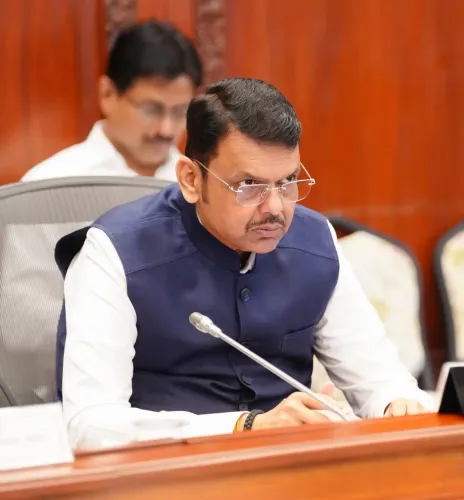
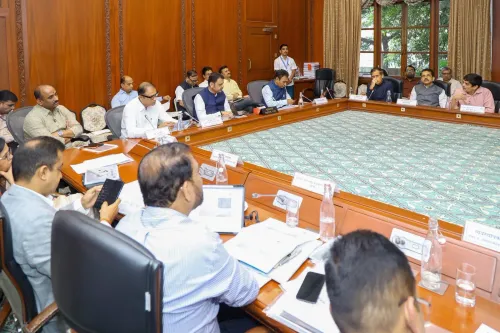
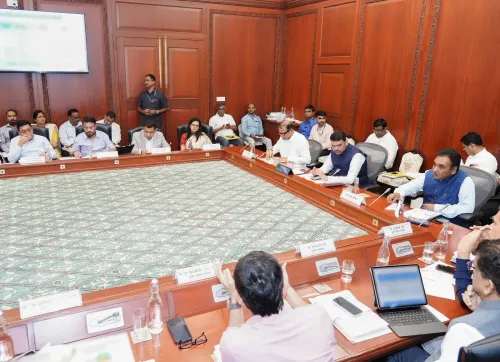
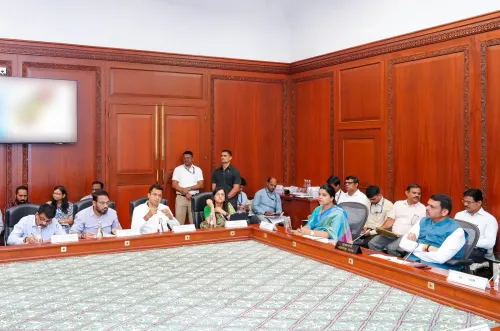
Mumbai's colonial-era housing stock and its newest urban ambitions collided in a single review room on Thursday, July 30, as Maharashtra Chief Minister Devendra Fadnavis chaired a comprehensive meeting on MHADA projects and emerged with a clutch of concrete directives — a dedicated grievance cell, an in-principle nod for a foreign-investment committee, and fresh urgency on two of the city's most watched redevelopment flashpoints.
A Grievance Cell and a Transparency Push
The most immediate directive orders MHADA to establish a dedicated grievance and facilitation cell to hear and address citizens' concerns related to housing construction and redevelopment projects. The move targets a persistent friction point: thousands of families caught in slow-moving redevelopment pipelines often have no single, reliable window to track their cases or flag delays. CM Fadnavis framed the cell explicitly around 'greater transparency, responsiveness and citizen-centric service delivery' — language that signals political awareness of how redevelopment fatigue has accumulated across the Mumbai Metropolitan Region.
BDD Chawls and Kamathipura: Deadlines Back in Focus
Two projects drew pointed instructions. Officials were directed to ensure the timely completion of ongoing work and to expedite rehabilitation and relocation of residents in the BDD Chawls — clusters of pre-independence rental blocks in central Mumbai that have been slated for replacement with modern apartments through successive state governments. Progress has been uneven, and the CM's directive puts the rehabilitation schedule back under direct scrutiny.
The Kamathipura Redevelopment Project, targeting Mumbai's historic Kamathipura locality, received an equally firm push: officials were told to accelerate implementation while strengthening supporting infrastructure — bridges, roads, and additional connectivity — to ensure what Fadnavis described as 'well-planned and sustainable urban development.' The dual emphasis on speed and infrastructure signals an attempt to avoid the connectivity deficits that have plagued earlier inner-city redevelopment zones.
Foreign Investment Committee Gets In-Principle Green Light
With large-scale development gathering pace across the state, CM Fadnavis accorded in-principle approval for the formation of a high-level committee to attract foreign investment into Maharashtra's housing and infrastructure ecosystem. The committee's exact composition, scope, and funding mechanism remain to be finalised. If structured effectively, it could open a channel for institutional capital into a sector that has historically relied on domestic developers and state budgetary allocations.
Akkalkot Pilgrimage Centre Gets MHADA Mandate
Beyond Mumbai, the meeting cleared a culturally significant project: MHADA has been approved to implement the Akkalkot Pilgrimage Centre Development Project in Solapur district. The first phase covers the development of the Samadhi and temple complex associated with Shri Swami Samarth; the second phase will construct the Palkhi Marg, improving facilities for pilgrims and preserving what the CM called the 'sanctity of this revered spiritual destination.' The inclusion of a religious-site infrastructure project under MHADA's umbrella reflects Maharashtra's broader pattern of combining housing mandates with tourism and pilgrimage-linked development.
Minister of State Dr. Pankaj Bhoyar, MLA Sachin Kalyanshetti, and senior officials were present at the meeting.
The grievance cell, the FDI committee, and tightened timelines on BDD Chawls and Kamathipura now set the benchmarks against which MHADA's delivery will be measured — and Maharashtra's urban housing ambitions will either accelerate or stall.
Point of View
If constituted with real authority, could mark a structural shift in how Maharashtra funds large-scale urban housing rather than relying solely on state budgets and domestic developers. The Akkalkot project signals a familiar Maharashtra governance pattern: bundling cultural and religious infrastructure with housing mandates to broaden the political constituency for urban development spending. The grievance cell directive, meanwhile, reflects an acknowledgement that citizen trust in redevelopment timelines has eroded and needs an institutional repair mechanism.
NationPress
31 Jul 2026
Frequently Asked Questions
What is the MHADA grievance cell announced by CM Fadnavis?
CM Devendra Fadnavis directed MHADA to establish a dedicated grievance and facilitation cell to hear and address citizens' concerns related to housing construction and redevelopment projects, aimed at improving transparency and responsiveness.
What is the latest update on BDD Chawls redevelopment in Mumbai?
CM Fadnavis on July 30 directed MHADA officials to expedite the rehabilitation and relocation of residents in the BDD Chawls redevelopment project to enable faster project execution.
What is the Kamathipura Redevelopment Project?
The Kamathipura Redevelopment Project is an urban renewal initiative targeting Mumbai's historic Kamathipura locality to improve housing and infrastructure. CM Fadnavis has directed officials to accelerate its implementation along with supporting bridges, roads, and connectivity.
What is the Akkalkot Pilgrimage Centre Development Project?
MHADA has been approved to develop the Akkalkot Pilgrimage Centre in Solapur district in two phases: first the Samadhi and temple complex linked to Shri Swami Samarth, then the Palkhi Marg to improve facilities for pilgrims.
Will Maharashtra attract foreign investment in housing?
CM Fadnavis has accorded in-principle approval for a high-level committee to attract foreign investment into Maharashtra's housing and infrastructure ecosystem, though its composition and scope are yet to be finalised.