CM Fadnavis Orders Resilience Plan for Flood-Hit Palghar
Synopsis
Maharashtra CM Devendra Fadnavis chaired a flood review for Palghar on July 28, 2026, ordering a special above-SDRF relief package, an MRDP resilience framework via MITRA for World Bank funding, Mahavitaran power upgrades, and dedicated rainwater holding spots in Vasai-Virar.
Key Takeaways
CM Fadnavis chaired a flood and rainfall impact review for Palghar district on July 28, 2026 .
A special relief package beyond existing SDRF norms will be approved for families affected by extreme rainfall and floods.
An integrated relief plan covering both Palghar and Nashik districts has been directed.
Palghar will get a comprehensive development framework under the Maharashtra Resilience Development Programme (MRDP) via MITRA , unlocking potential World Bank funding — replicating the model used for Raigad and Ratnagiri.
Mahavitaran has been directed to upgrade power distribution infrastructure to maintain supply during natural calamities.
Dedicated rainwater holding spots are to be developed in the Vasai-Virar region to address chronic waterlogging.
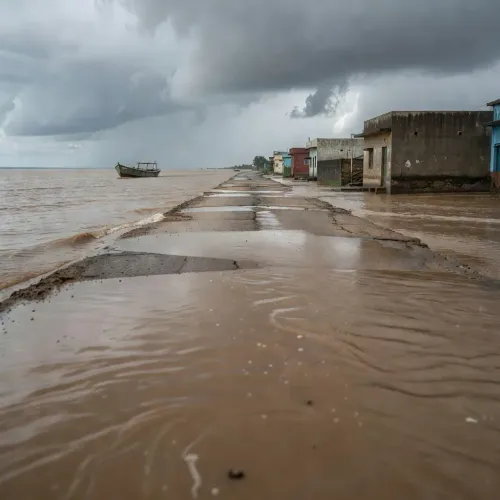
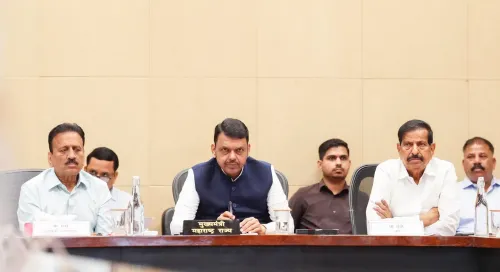
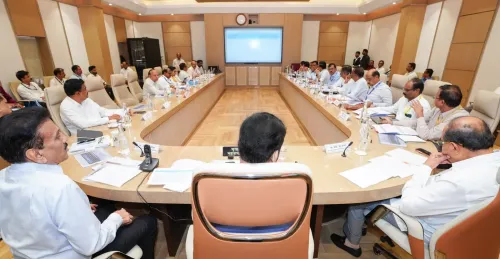
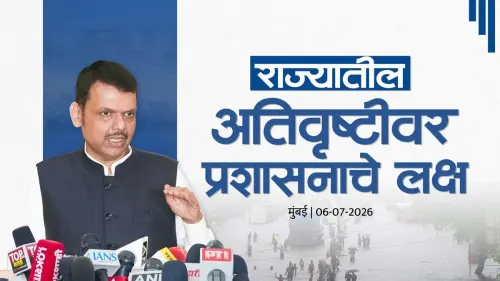
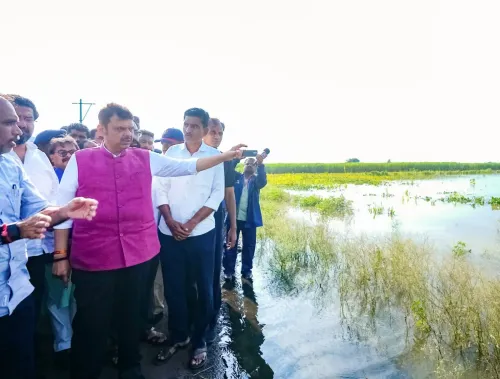
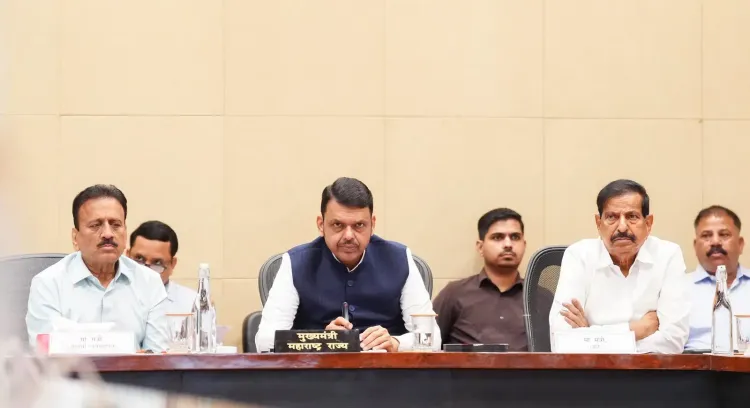
A coastal district battered by monsoon after monsoon — and now growing faster than its infrastructure can handle — is getting a governance reset. Maharashtra Chief Minister Devendra Fadnavis on Tuesday, July 28, 2026, chaired a high-level review meeting to assess flood damage and relief operations in Palghar district, directing officials to move decisively from emergency response toward permanent, flood-proof infrastructure.
Palghar's Double Pressure: Monsoon Fury Meets Urban Sprawl
Palghar sits at a difficult intersection — a district historically hammered by heavy coastal rainfall that is simultaneously absorbing rapid urbanisation, particularly in the Vasai-Virar belt. That combination of swelling population and recurring floods has made reactive relief increasingly inadequate. CM Fadnavis acknowledged this directly, stating that 'strengthening disaster preparedness and resilience has become a priority' given these 'changing realities.'
A special relief package will be approved to extend assistance beyond existing norms to families affected by extreme rainfall and floods — a significant move, as standard State Disaster Response Fund (SDRF) payouts are often criticised as insufficient for major flood events. An integrated relief plan covering both Palghar and Nashik districts has also been ordered.
MRDP Framework: Palghar Joins Raigad and Ratnagiri
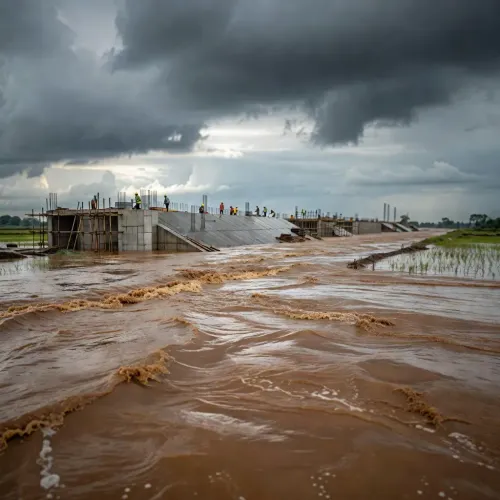
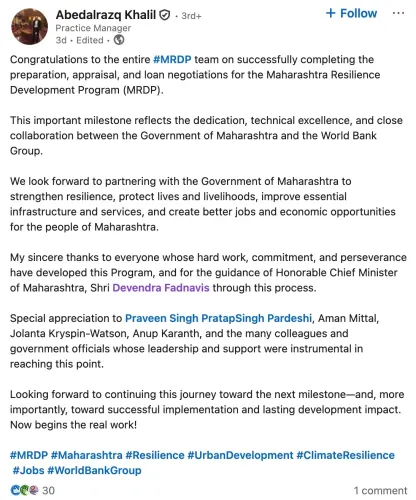
The most consequential directive of the meeting may be the instruction to prepare a comprehensive development framework for Palghar under the Maharashtra Resilience Development Programme (MRDP), to be executed through the Maharashtra Institution for Transformation (MITRA). The template is not new — the same approach was previously applied to Raigad and Ratnagiri districts, and it comes with a key financial upside: access to World Bank funding for long-term climate adaptation infrastructure.
This signals Maharashtra's deliberate strategy of replicating a proven resilience-planning model across its high-rainfall coastal districts, using multilateral financing to scale what state budgets alone cannot cover.
Power Grid, Holding Spots, and the Vasai-Virar Fix
Mahavitaran and associated power companies under the Energy Department have been directed to undertake infrastructural upgrades to the power distribution network — ensuring electricity supply does not collapse during emergencies. Separately, officials were instructed to develop dedicated holding spots in the Vasai-Virar region to manage rainwater accumulation during intense rainfall, a targeted engineering response to localised flooding that has long plagued the area's densely populated corridors.
The meeting was attended by Minister Girishbhau Mahajan, Minister Ganesh Naik, Minister Shivendra Sinh Raje Bhonsle, MoS Adv. Ashish Jaiswal, members of the state legislature, and senior officials — a cabinet-weight gathering that underlines the political seriousness behind the directives.
From Relief Cheques to Resilient Cities
Maharashtra's shift from post-disaster relief to preventive infrastructure has been building across several coastal districts over the past decade. The Palghar directives — spanning power grids, water management, World Bank-linked planning, and above-SDRF relief — represent the fullest articulation yet of that shift in a single administrative sweep. The question now is execution speed: relief packages approved, frameworks drafted, and power lines upgraded before the next monsoon tests them.
Point of View
The state is institutionalising resilience through replicable frameworks tied to multilateral financing. Bringing Palghar under the MRDP-MITRA architecture — the same pipeline used for Raigad and Ratnagiri — suggests a deliberate coastal-district strategy rather than ad hoc responses. The above-SDRF relief package is politically significant too, signalling that the Mahayuti government is willing to stretch administrative norms to address public frustration with inadequate post-flood compensation. Execution, not intent, will determine whether this becomes a governance template or another set of unimplemented directives.
NationPress
29 Jul 2026
Frequently Asked Questions
What is the special relief package announced for Palghar flood victims?
CM Fadnavis has directed approval of a special relief package that will provide assistance beyond the existing norms — meaning above standard SDRF rates — to families affected by extreme rainfall and floods in Palghar. Exact amounts have not yet been disclosed.
What is the Maharashtra Resilience Development Programme (MRDP)?
The MRDP is a Maharashtra state initiative for climate-resilient infrastructure development. It was previously applied to Raigad and Ratnagiri districts and enables access to World Bank funding. Palghar has now been directed to prepare a framework under MRDP via the state body MITRA.
What is MITRA and what role will it play in Palghar?
MITRA, the Maharashtra Institution for Transformation, is the state body responsible for preparing integrated development frameworks and facilitating international funding for resilience projects. It will prepare Palghar's comprehensive development framework under the MRDP.
What are the dedicated holding spots ordered for Vasai-Virar?
CM Fadnavis directed officials to develop dedicated holding spots — engineered water retention or diversion zones — in the Vasai-Virar region specifically to manage rainwater accumulation during periods of intense rainfall and reduce localised flooding.
Why has Mahavitaran been directed to upgrade its network in Palghar?
Mahavitaran, Maharashtra's state electricity distribution company, was directed to strengthen the power distribution network to ensure uninterrupted electricity supply even during emergencies and natural calamities, addressing the recurring problem of power outages during heavy rainfall events.