CM Fadnavis pays tribute to Shahu Maharaj at SARTHI, Pune
Synopsis
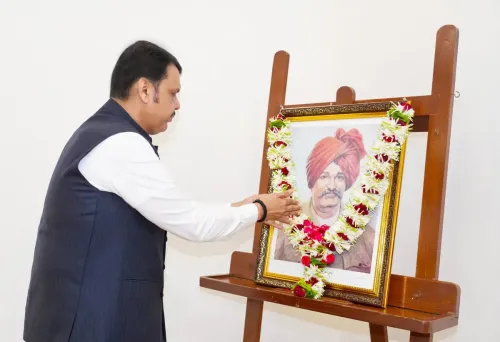
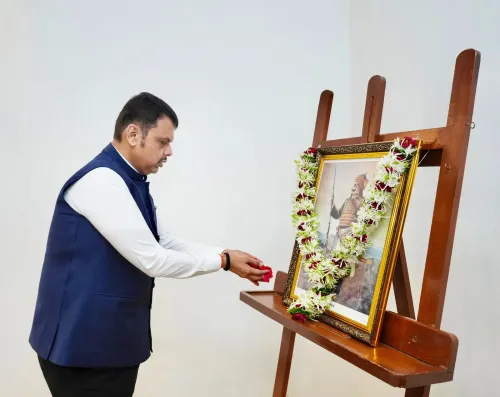
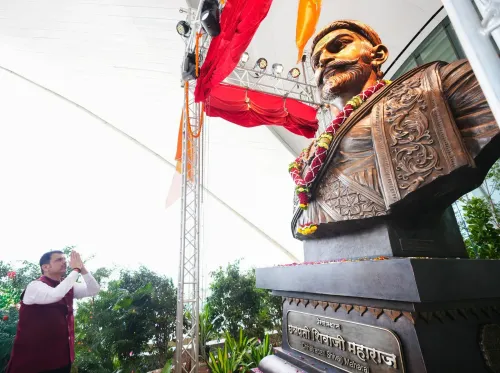
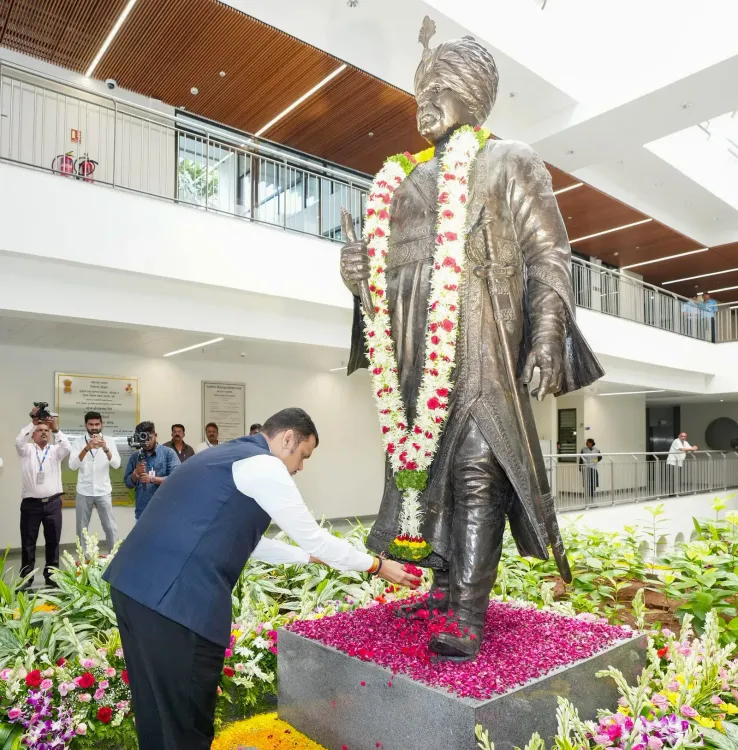
Chief Minister Devendra Fadnavis paid floral tributes to Rajarshi Chhatrapati Shahu Maharaj on his birth anniversary at SARTHI, Pune, on 26 June 2026, reaffirming Maharashtra's cross-party tradition of honouring the 19th-century social reformer and king.
Key Takeaways
CM Devendra Fadnavis offered floral tributes to Rajarshi Chhatrapati Shahu Maharaj at 12:05 PM on 26 June 2026 .
The event was held at SARTHI (Chhatrapati Shahu Maharaj Research, Training and Human Development Institute) in Pune .
Shahu Maharaj (1874–1922) was the ruler of Kolhapur State , credited with pioneering reservations and universal education for backward communities.
SARTHI was established by the Maharashtra government to provide skill development and training for marginalised communities, directly embodying Shahu Maharaj's reform legacy.
Maharashtra governments have observed Shahu Maharaj's birth anniversary with state-level tributes since the 1950s , reflecting cross-party consensus on his legacy.
Observers will watch for follow-up policy announcements on SARTHI programmes, scholarships, or reservation policy in the Maharashtra legislature.
The Chief Minister's Office of Maharashtra announced on 26 June 2026 that Chief Minister Devendra Fadnavis offered floral tributes to Rajarshi Chhatrapati Shahu Maharaj on his birth anniversary at the Chhatrapati Shahu Maharaj Research, Training and Human Development Institute (SARTHI) in Pune, at 12:05 PM.
The CMO's post, shared in English, Marathi and Hindi, described the event as a 'humble floral tribute' (पुष्पांजली अर्पण करून विनम्र अभिवादन — 'offering flowers and paying respectful homage') to the 'welfare-oriented king' (लोककल्याणकारी राजे). The choice of SARTHI as the venue for the commemoration was deliberate, linking the state government's ongoing human-development mandate directly to Shahu Maharaj's reformist legacy.
Context
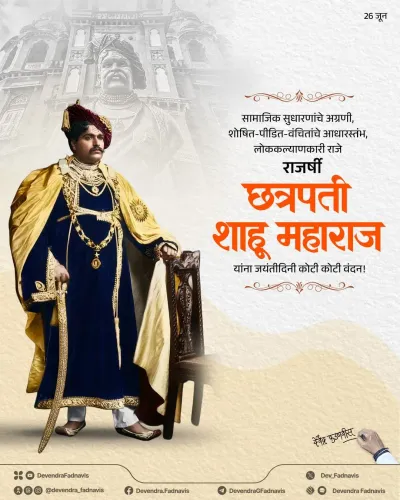
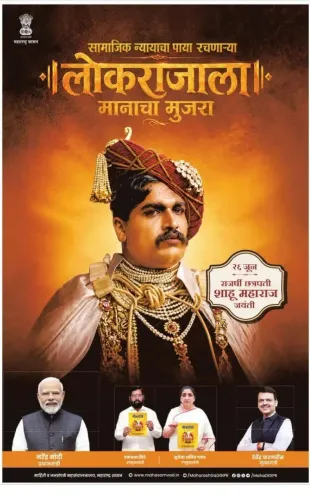
Rajarshi Chhatrapati Shahu Maharaj (1874–1922) was the ruler of the Kolhapur State in present-day Maharashtra. He is widely credited with pioneering reservations for backward communities in state services, championing universal primary education, and dismantling caste-based discrimination within his domain — reforms that predated India's constitutional provisions by decades. His birth anniversary on 26 June is observed as a day of state-level homage across Maharashtra.
Policy Backdrop
SARTHI — the Chhatrapati Shahu Maharaj Research, Training and Human Development Institute — was established by the Maharashtra government in Pune to provide skill development, research support, and training opportunities for marginalised and backward-class communities. Holding the birth-anniversary tribute at SARTHI reinforces the symbolic continuity between Shahu Maharaj's historical initiatives and the state's contemporary affirmative-action programmes.
Maharashtra governments across party lines have observed this anniversary with institutional events since the 1950s, treating it as an occasion to signal commitment to social justice and educational access. Chief Minister Fadnavis, representing the BJP-led Mahayuti alliance, follows this established tradition, underscoring that homage to Shahu Maharaj carries cross-ideological consensus in Maharashtra's political culture.
Stakeholders and Impact
The tribute carries direct symbolic weight for backward-class communities, OBC groups, and beneficiaries enrolled in SARTHI's training and scholarship programmes. For these constituencies, the choice of venue — an active human-development institute rather than a purely ceremonial site — signals that the administration views Shahu Maharaj's legacy as an operational policy commitment, not merely a historical memory.
Social-reform advocacy groups and educational organisations in Maharashtra also watch such annual events closely, as they often precede or accompany announcements on reservation policy, scholarship disbursal, or new training batches at SARTHI.
What's Next
Observers will watch whether the Fadnavis government follows the tribute with substantive announcements — such as fresh budget allocations for SARTHI, new training cohorts, or references to Shahu Maharaj's legacy in upcoming legislative debates on reservation or education policy. Historically, birth-anniversary events of social reformers in Maharashtra have sometimes served as platforms for policy rollouts targeting backward and marginalised communities. Whether 26 June 2026 produces such a follow-through will determine the event's significance beyond its ceremonial dimension.
Point of View
A narrative space more commonly associated with non-BJP formations. The choice of an active training institute over a purely ceremonial venue subtly frames the tribute as policy continuity rather than nostalgia. Successive administrations have used this anniversary to signal affirmative-action credentials to OBC and backward-class voters — a constituency that has grown increasingly pivotal in Maharashtra's electoral arithmetic. Whether the gesture translates into tangible SARTHI programme expansions will be the real test of its policy intent.
NationPress
26 Jun 2026
Frequently Asked Questions
Who was Rajarshi Chhatrapati Shahu Maharaj?
Rajarshi Chhatrapati Shahu Maharaj (1874–1922) was the ruler of Kolhapur State in present-day Maharashtra, celebrated for pioneering reservations for backward communities in state services, promoting universal primary education, and actively dismantling caste discrimination — reforms that preceded India's constitutional provisions by decades.
What is SARTHI in Pune?
SARTHI stands for the Chhatrapati Shahu Maharaj Research, Training and Human Development Institute, a Pune-based body established by the Maharashtra government to provide skill development, scholarships, and training opportunities for marginalised and backward-class communities.
Why did CM Fadnavis visit SARTHI on 26 June 2026?
CM Devendra Fadnavis visited SARTHI to offer floral tributes to Rajarshi Chhatrapati Shahu Maharaj on his birth anniversary, which falls on 26 June. The venue was chosen to link the tribute to the state's ongoing human-development programmes inspired by Shahu Maharaj's reformist legacy.
When is Chhatrapati Shahu Maharaj's birth anniversary celebrated?
Chhatrapati Shahu Maharaj's birth anniversary is celebrated on 26 June each year. Maharashtra governments have observed it with official state-level tributes and institutional events since the 1950s.
What is the significance of Shahu Maharaj's legacy for Maharashtra politics?
Shahu Maharaj's legacy of reservations, educational access, and social welfare for backward communities holds cross-party significance in Maharashtra. Successive governments invoke his memory to signal commitment to affirmative action and social justice, particularly to OBC and backward-class constituencies.