Rijiju Questions Rahul, Kejriwal on Apology Record
Synopsis
Union Parliamentary Affairs Minister Kiren Rijiju on June 26, 2026, posted a rhetorical question on X asking whether Rahul Gandhi or Arvind Kejriwal has tendered more apologies after making false allegations, sharpening BJP's accountability messaging against its two principal opposition rivals ahead of the Monsoon Session.
Key Takeaways
Kiren Rijiju , Union Parliamentary Affairs Minister and senior BJP leader, posted a pointed question on X on June 26, 2026 comparing Rahul Gandhi and Arvind Kejriwal on their apology records.
The post is rhetorical and does not specify which apologies it references, but the political record includes contempt proceedings, defamation suits, and court-ordered apologies involving both leaders.
Arvind Kejriwal tendered an apology before the Supreme Court in a contempt proceeding in 2018 ; Rahul Gandhi has faced multiple defamation suits from BJP -affiliated complainants.
The post fits a broader BJP pattern of using social media to frame opposition leaders as lacking credibility on legal and ethical accountability.
The exchange is likely to intensify ahead of the Monsoon Session of Parliament , where privilege motions and floor debates may echo the same themes.
Both Congress and AAP have previously described such messaging as political deflection rather than substantive governance critique.
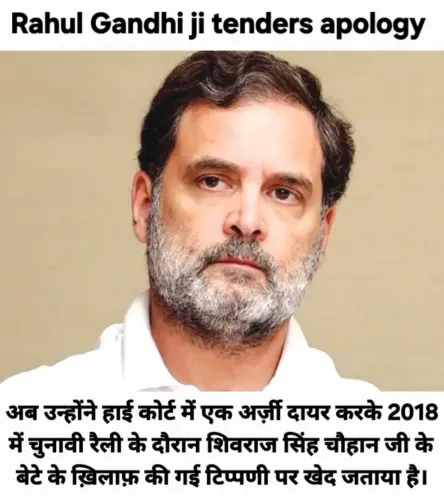
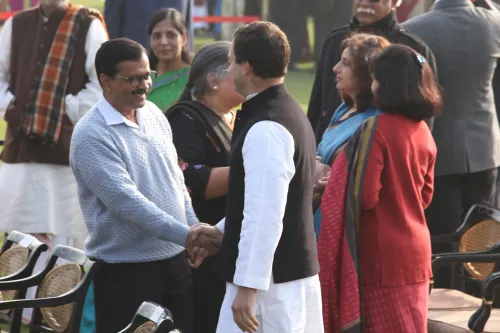
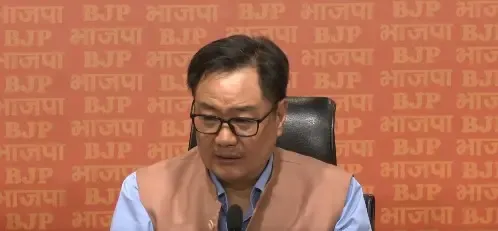
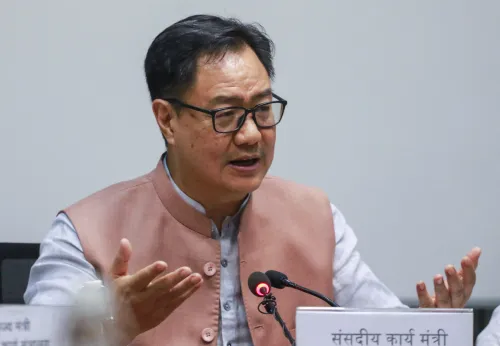
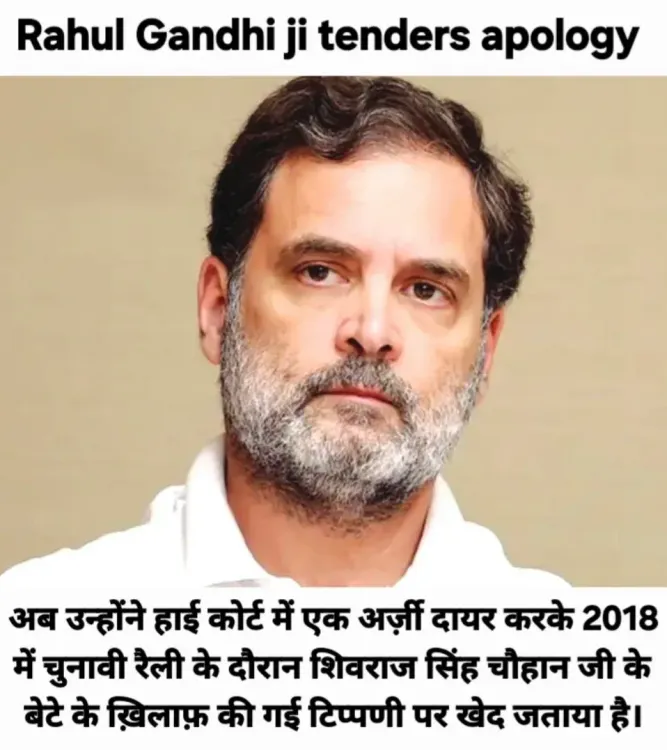
Union Parliamentary Affairs Minister Kiren Rijiju on Friday, June 26, 2026, posted a pointed question on X directed at two of the ruling BJP's most prominent political rivals, asking which of them — Rahul Gandhi or Arvind Kejriwal — has tendered more apologies after levelling false allegations.
Context
The post, brief and rhetorical in form, reads: 'Who has tendered more apologies after leveling false allegations — Rahul Gandhi ji or Arvind Kejriwal ji?' The framing invites a public comparison between the Congress leader and the Aam Aadmi Party (AAP) national convenor on the question of legal and political accountability. Rijiju, a senior BJP leader from Arunachal Pradesh, is known for deploying social media to sharpen the ruling party's messaging against opposition figures.
The post does not specify which apologies it alludes to, but the broader political record includes multiple instances in which both leaders have faced court proceedings, defamation suits, or contempt notices tied to public statements. The rhetorical question format is designed to prompt public debate rather than assert a specific legal fact.
Policy Backdrop
The BJP has, since its return to power in 2014, consistently framed its political identity around accountability and the reduction of what it describes as dynastic and corrupt political culture. Social-media exchanges between cabinet ministers and opposition leaders have become a regular feature of this strategy, intensifying around parliamentary sessions and election cycles.
Arvind Kejriwal has faced multiple proceedings before central investigative agencies and courts in recent years, and in 2018 tendered an apology before the Supreme Court in a contempt proceeding. Rahul Gandhi has been at the centre of several defamation suits filed by BJP-affiliated complainants over statements made at political rallies and in Parliament. Both leaders have denied wrongdoing in the respective cases.
Stakeholders and Impact
The post lands at a moment when both Congress and AAP are seeking to consolidate opposition credibility ahead of the next electoral cycle. For Kejriwal, legal proceedings have remained a persistent political liability even as AAP has sought to portray them as political vendetta. For Rahul Gandhi, defamation cases have at times resulted in convictions subsequently stayed by higher courts, keeping the issue in the public eye.
The post is likely to be amplified by BJP social-media handles and may draw counter-responses from Congress and AAP spokespersons, who have previously characterised such messaging as deflection from governance questions. Ordinary voters, particularly in states where both parties compete directly, are the implicit audience for this kind of accountability framing.
What's Next
With the Monsoon Session of Parliament approaching, such social-media exchanges often serve as a preview of the rhetorical battles that play out on the floor of the House through privilege motions and zero-hour interventions. Any fresh court order requiring a public apology from either leader would immediately renew the salience of Rijiju's question. The exchange also signals that the BJP intends to keep legal accountability at the centre of its political communication strategy through the remainder of 2026.
Point of View
The post signals that the BJP views Congress and AAP as equally compromised on credibility, a framing that serves the party in states where the two parties compete for the same anti-BJP vote. The timing, close to the Monsoon Session, suggests the party is seeding narratives it intends to amplify on the parliamentary floor. Whether the opposition responds or stays silent, the post achieves its primary goal of keeping legal controversies around both leaders in the news cycle.
NationPress
26 Jun 2026
Frequently Asked Questions
Why did Kiren Rijiju ask about Rahul Gandhi and Kejriwal apologies?
Rijiju posted a rhetorical question on X on June 26, 2026, comparing the apology records of Rahul Gandhi and Arvind Kejriwal after false allegations, as part of BJP's ongoing political messaging around opposition accountability.
Has Arvind Kejriwal ever apologised in court?
Yes. In 2018, Arvind Kejriwal tendered an apology before the Supreme Court in a contempt proceeding, which is one of the most cited instances in BJP's political messaging against him.
What defamation cases has Rahul Gandhi faced?
Rahul Gandhi has faced multiple defamation suits filed by BJP-affiliated complainants over statements made at political rallies and in Parliament; he has denied wrongdoing in the respective cases.
What is Kiren Rijiju's role in the Indian government?
Kiren Rijiju is the Union Minister of Parliamentary Affairs and Minister of Minority Affairs, and is a senior BJP leader from Arunachal Pradesh.
What is the political significance of Rijiju's post ahead of the Monsoon Session?
The post is seen as a preview of BJP's accountability messaging ahead of the Monsoon Session of Parliament, where such themes often resurface through privilege motions and zero-hour debates.