CM Fadnavis Pays Tribute to Wari Pilgrims on Ashadhi March
Synopsis
Maharashtra Chief Minister Devendra Fadnavis on 19 July 2026 shared a devotional Marathi tribute to Wari pilgrims heading to Pandharpur for Ashadhi Ekadashi, invoking the saffron flag, tilak, and the unceasing chant of Vitthal's name.
Key Takeaways
Devendra Fadnavis , Maharashtra Chief Minister, posted a devotional tribute to Wari pilgrims on 19 July 2026 .
The post was written in Marathi and invoked the imagery of saffron flags, tilak, and the chant of Vitthal's name.
The Wari is an annual walking pilgrimage to Pandharpur in Solapur district , peaking on Ashadhi and Kartiki Ekadashi .
The Varkari tradition dates to the 13th century and draws several million pilgrims each year.
Maharashtra political leaders across parties routinely mark the Wari season, reflecting its deep cultural significance in the state.
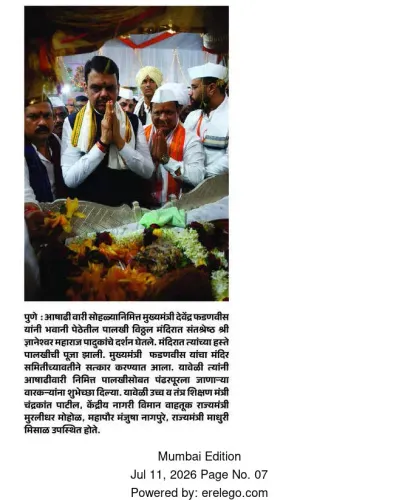
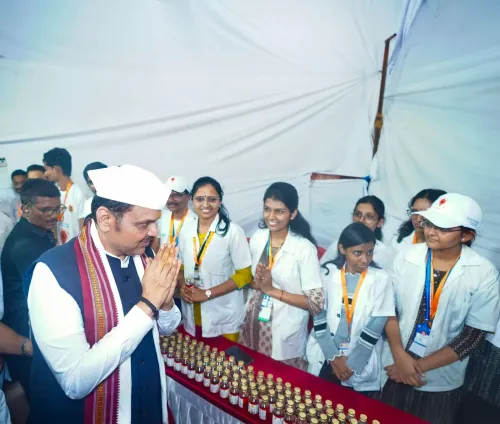
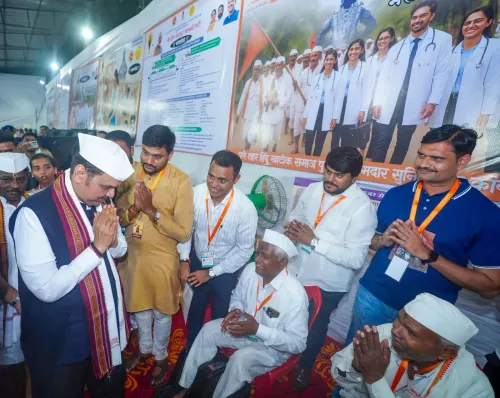
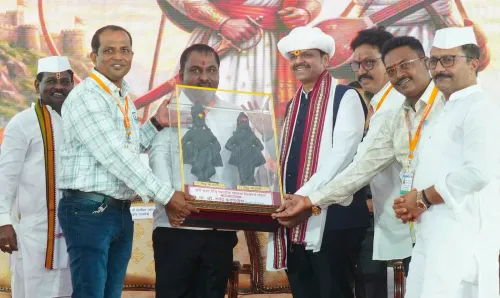
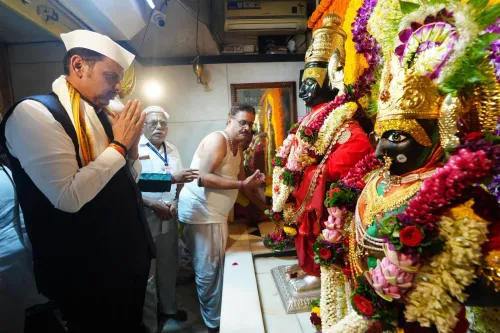
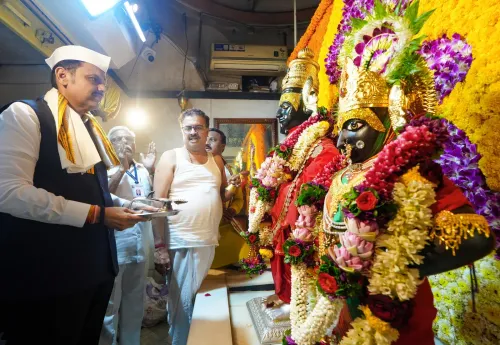
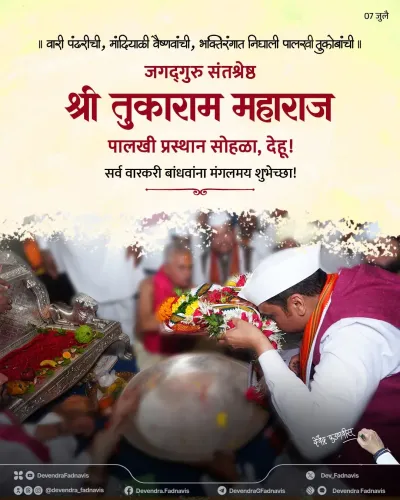
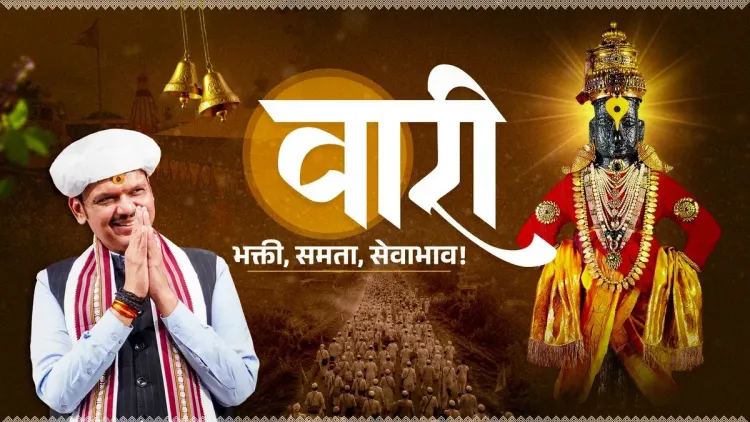
Maharashtra Chief Minister Devendra Fadnavis on Sunday, 19 July 2026 shared a devotional tribute to Wari pilgrims making their annual journey to Pandharpur, invoking the spirit of the Varkari tradition and the deity Vitthal.
In a post on X, Fadnavis wrote in Marathi: 'भगवी पताका खांद्यावर, कपाळी टिळा, मुखी विठ्ठल नामाचा अखंड गजर... प्रत्येक पाऊल पडते पंढरीच्या दिशेने, विठूमाऊलीच्या भेटीच्या ओढीने...' — translated: 'Saffron flag on the shoulder, tilak on the forehead, the unceasing chant of Vitthal's name on the lips... every step moves towards Pandhari, drawn by the longing to meet Vithu Mauli.'
Context
The post aligns with the Ashadhi Ekadashi pilgrimage season, when millions of Varkari devotees walk to Pandharpur in Solapur district, Maharashtra to seek the blessings of Vithoba, the presiding deity of the town's central temple. The Wari is among the largest annual pedestrian pilgrimages in the world. Fadnavis used the hashtag #Vitthal, directly invoking the deity's name.
Policy Backdrop
The Wari pilgrimage traces its roots to the 13th-century Varkari sampradaya, a bhakti movement whose saints — including Sant Dnyaneshwar and Sant Tukaram — remain deeply venerated across Maharashtra. State governments have historically coordinated extensive arrangements for pilgrims, including road management, medical camps, and security deployments along the walking routes. The Maharashtra government has in recent years invested in improving facilities at Pandharpur, including infrastructure around the Vitthal-Rukmini temple.
Stakeholders and Impact
The Wari draws several million participants each year from across Maharashtra and neighbouring states, cutting across caste and class lines in a rare expression of popular religiosity. For the BJP, whose senior leadership Fadnavis represents, devotional messaging during the Wari season serves to signal cultural alignment with Maharashtra's Hindu majority and the Varkari tradition specifically. Maharashtra political leaders across parties routinely mark the occasion, reflecting how deeply the pilgrimage is woven into the state's public life.
What's Next
Attention will now turn to the state government's on-ground arrangements for pilgrims — including security, medical facilities, and crowd management — as the Ashadhi Ekadashi date approaches. Any official announcements regarding temple administration or pilgrim welfare schemes are expected to follow in the coming days. The Kartiki Ekadashi Wari later in the year will present a second major moment for both the administration and political messaging around the tradition.
Point of View
Blending devotional sincerity with political signalling. The Varkari tradition cuts across caste and region in ways that few other institutions in Maharashtra do, making it valuable territory for any party seeking broad-based legitimacy. For the BJP, which has worked to deepen its roots in Maharashtra's cultural landscape, associating senior leadership with the Wari reinforces a regional identity layer alongside national Hindutva messaging. The post's Marathi language and evocative imagery suggest a deliberate effort to connect with the state's vernacular public rather than a national audience.
NationPress
20 Jul 2026
Frequently Asked Questions
What is the Wari pilgrimage in Maharashtra?
The Wari is a centuries-old annual walking pilgrimage by Varkari devotees to the Vitthal temple in Pandharpur, Solapur district. It peaks on Ashadhi Ekadashi and Kartiki Ekadashi and draws several million participants each year.
Why did CM Fadnavis post about Vitthal and the Wari?
Fadnavis shared a devotional Marathi tribute on 19 July 2026 during the Ashadhi Ekadashi pilgrimage season, invoking the imagery of pilgrims walking to Pandharpur with saffron flags and the chant of Vitthal's name.
Who is Vitthal and where is the main temple?
Vitthal, also known as Vithoba, is a form of Vishnu worshipped at the famous Vitthal-Rukmini temple in Pandharpur, which is the central destination of the Wari pilgrimage.
What is the Varkari sampradaya?
The Varkari sampradaya is a bhakti movement originating in 13th-century Maharashtra, whose saints include Dnyaneshwar and Tukaram. Its followers, called Varkaris, undertake the Wari pilgrimage to Pandharpur as a central religious practice.
What arrangements does the Maharashtra government make for Wari pilgrims?
State governments have historically coordinated road management, medical camps, security deployments, and infrastructure improvements at Pandharpur to support the millions of pilgrims who participate in the Wari each year.