CM Fadnavis Plans Air India Building Revamp as Mumbai Admin Hub
Synopsis
Maharashtra CM Devendra Fadnavis has directed the renovation of the Air India Building at Varsha Bungalow, Mumbai, into an integrated state administrative hub. The Chief Secretary has been tasked with preparing a comprehensive plan identifying departments to be housed in the facility, prioritising efficiency and citizen access.
Key Takeaways
CM Devendra Fadnavis chaired a meeting on August 3, 2026 on the future of the Air India Building at Varsha Bungalow, Mumbai .
The building is to be renovated as a consolidated hub for multiple Maharashtra state government departments .
The Chief Secretary has been directed to prepare a comprehensive implementation plan identifying which departments will be accommodated.
The plan must balance administrative efficiency with citizen convenience .
Minister ShivendraSinh Raje Bhonsle and MoS Indranil Naik attended the meeting alongside senior officials.
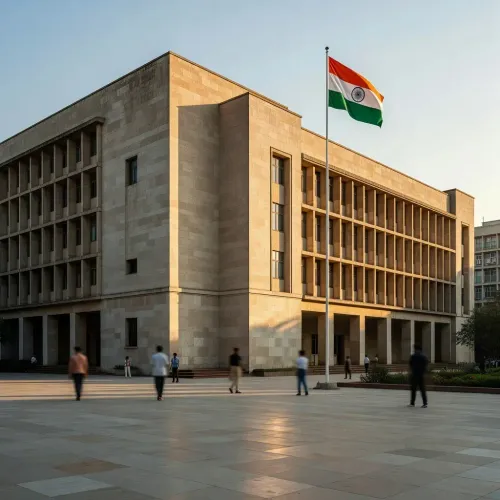
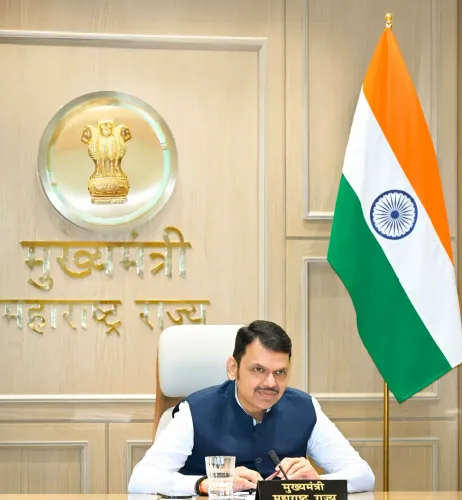
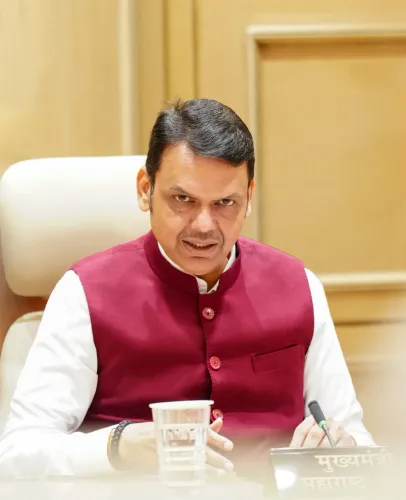
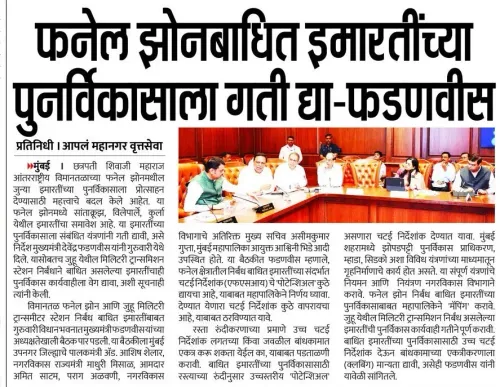
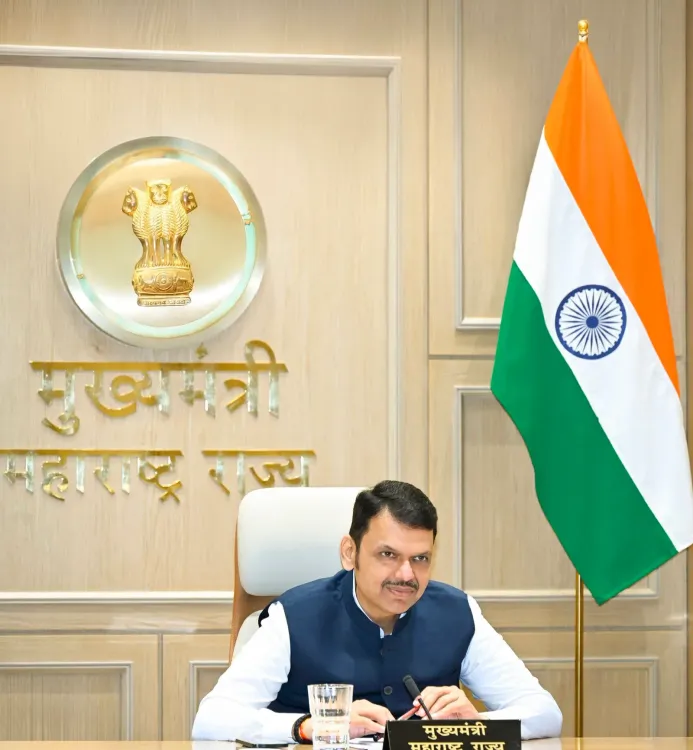
A landmark building in Mumbai is about to get a new life — not as a corporate tower, but as the nerve centre of Maharashtra's state administration. Maharashtra Chief Minister Devendra Fadnavis chaired a high-level meeting on Monday, August 3, 2026, directing officials to transform the Air India Building at Varsha Bungalow, Mumbai into a consolidated, citizen-centric administrative hub for multiple state government departments.
Fadnavis posted on X: 'The Air India building will be renovated to facilitate the functioning of various State Government departments, creating a more efficient, integrated and citizen-centric administrative hub.' He directed the Chief Secretary to prepare a comprehensive implementation plan identifying which departments can be accommodated in the renovated structure, balancing administrative efficiency with ease of access for ordinary citizens.
One Building, Many Departments: The Logic Behind the Consolidation
The move follows a pattern the Fadnavis administration has pursued across its tenures — repurposing underutilised public assets to reduce departmental fragmentation and cut coordination costs. When state offices are scattered across a city as dense and expensive as Mumbai, citizens and civil servants alike pay the price in time, logistics, and bureaucratic friction. A single, well-equipped hub changes that calculus entirely.
The approach mirrors similar consolidation drives seen in other Indian states, where governments have recognised that co-locating departments accelerates inter-agency decision-making and brings public services physically closer together under one roof.
Ministers and Officials Present as Plan Takes Shape
Minister ShivendraSinh Raje Bhonsle and Minister of State Indranil Naik were present at the meeting alongside senior officials, signalling that the proposal carries political weight at the cabinet level — not merely a bureaucratic exercise. The Chief Secretary's implementation plan, now formally commissioned, will be the document to watch: it will name the departments, lay out timelines, and define the scope of the renovation.
The specifics — which departments move in, at what cost, and on what schedule — remain to be detailed in that plan. But the political signal from the top is clear. Mumbai's Air India Building is no longer just a real-estate question; it is now a governance statement.
Point of View
Photographable, and citizen-facing. Consolidating state offices in a single Mumbai building reduces friction for citizens navigating multiple departments — a quiet but real quality-of-life win that can be claimed ahead of any electoral cycle. The move also signals administrative discipline, as it repurposes existing public real estate rather than commissioning new construction. The Chief Secretary's implementation plan will be the real test of ambition: how many departments actually relocate, and how quickly, will determine whether this is a landmark reform or a well-announced intention.
NationPress
3 Aug 2026
Frequently Asked Questions
What is the Air India Building in Mumbai being used for?
The Air India Building at Varsha Bungalow in Mumbai is being renovated by the Maharashtra government to serve as an integrated administrative hub housing multiple state government departments, following a directive by Chief Minister Devendra Fadnavis on August 3, 2026.
Why is Maharashtra consolidating government offices into one building?
The goal is to improve administrative efficiency, reduce departmental fragmentation, and make government services more accessible to citizens by co-locating multiple departments under one roof in Mumbai.
Who will prepare the plan for the Air India Building renovation?
CM Fadnavis has directed the Chief Secretary of Maharashtra to prepare a comprehensive implementation plan identifying which departments will be accommodated and ensuring both administrative efficiency and citizen convenience.
Which ministers attended the Air India Building meeting?
Minister ShivendraSinh Raje Bhonsle and Minister of State Indranil Naik were present at the meeting alongside senior government officials.
What is Varsha Bungalow in Mumbai?
Varsha Bungalow is a Mumbai site associated with the Air India Building that is now at the centre of Maharashtra's plan to create a centralised state government administrative hub.