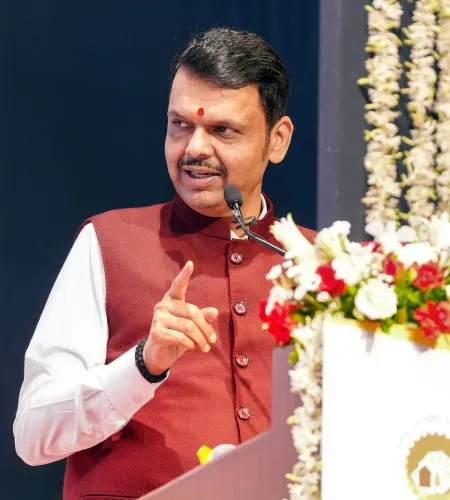
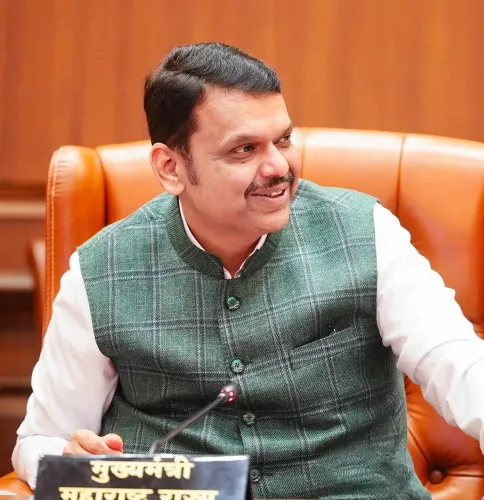
CM Fadnavis Pushes Faster Redevelopment of Mumbai Airport Funnel Zone Buildings
Synopsis
The Chief Minister's Office of Maharashtra on 10 July 2026 announced that the state government is accelerating redevelopment of buildings in airport funnel zones, tagging CM Devendra Fadnavis. The move revives a long-standing effort to align Mumbai's dense urban fabric with aviation safety norms enforced by the Airports Authority of India.
Key Takeaways
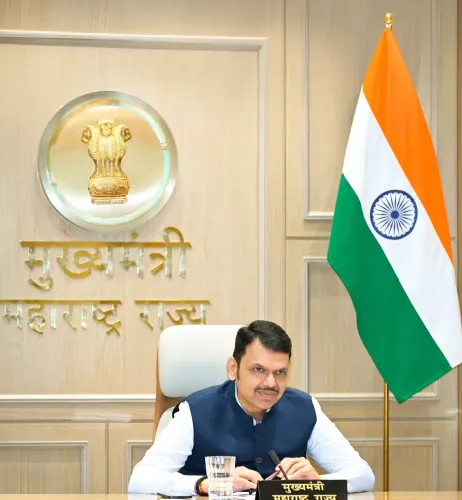
The Chief Minister's Office of Maharashtra on 10 July 2026 publicly announced a push for faster redevelopment of airport funnel zone buildings, tagging CM Devendra Fadnavis .
Airport funnel zones around Mumbai Airport impose strict height limits; non-compliant buildings pose direct aviation safety risks.
The Government of Maharashtra has been identifying such structures since 2017–2018 , but redevelopment has faced delays due to overlapping state and central jurisdiction.
The Airports Authority of India (AAI) must provide technical clearances before any redevelopment scheme can proceed.
Key stakeholders include Mumbai residents in affected buildings, real estate developers, and central aviation regulators.
Upcoming state housing department notifications and joint AAI–state review meetings will indicate how quickly the government moves from announcement to implementation.
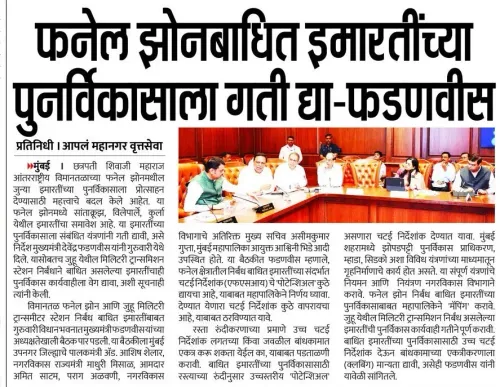
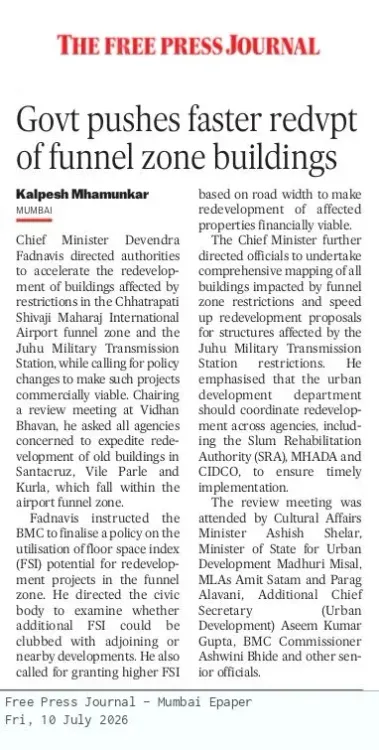
The Chief Minister's Office of Maharashtra on Friday, 10 July 2026 announced that the state government is pushing for faster redevelopment of buildings located within airport funnel zones, tagging Chief Minister Devendra Fadnavis in the post and signalling a renewed administrative push on a long-pending urban safety concern.
Context
Airport funnel zones are defined approach corridors around runways where strict height restrictions apply to ensure safe aircraft operations. Buildings that predate or violate these norms pose a direct hazard to aviation safety and have historically complicated redevelopment efforts in densely built urban areas near Mumbai Airport. The Chief Minister's Office post, directed at CM Fadnavis, signals that the state executive is now treating faster clearance of non-compliant structures as a priority agenda item.
Policy Backdrop
The Government of Maharashtra began formally identifying structures violating airport funnel zone height norms as far back as 2017–2018, issuing notifications to prioritise their redevelopment. The Airports Authority of India (AAI), the central body that defines and enforces funnel zone regulations nationwide, has a standing coordination role with state governments on such compliance matters. Successive Maharashtra administrations have attempted to link urban renewal programmes with aviation safety, aiming to replace ageing low-rise stock in restricted zones with modern, height-compliant buildings.
The broader national civil aviation policy has also pushed states to align their urban development frameworks with airport expansion requirements, making funnel zone redevelopment a recurring intersection of housing policy and aviation regulation.
Stakeholders and Impact
The redevelopment push directly affects Mumbai residents living in buildings within the funnel zone, many of whom occupy ageing structures with uncertain legal standing under aviation safety rules. Real estate developers stand to gain from any streamlined clearance or incentive framework that the state may announce, while residents could benefit from modern housing with clear tenure. The AAI and civil aviation regulators are key stakeholders whose technical approvals are required before any redevelopment scheme can proceed.
Delays in such projects have in the past been attributed to overlapping jurisdictions between state housing authorities and central aviation regulators, making the government's stated intent to accelerate the process significant for all parties involved.
What's Next
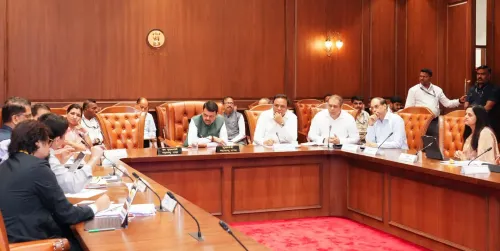
Observers will watch for formal notifications from the Maharashtra state housing department on revised redevelopment incentives or timelines under cluster redevelopment schemes. Joint review meetings between state officials and AAI representatives are also anticipated as the government operationalises this push. The pace at which the state translates this announcement into binding policy and on-ground action will determine whether the long-standing funnel zone redevelopment backlog is finally cleared, and whether Mumbai Airport's capacity expansion plans can proceed without the overhang of surrounding non-compliant structures.
Point of View
Aviation safety, and real estate economics — an arena where Maharashtra governments have repeatedly announced intent without sustained follow-through. If the Fadnavis administration can align state housing incentives with AAI's technical clearances, it would mark a meaningful departure from the stalled pattern of the past decade. The announcement also fits a broader pattern of the current Maharashtra government using social media to establish accountability trails for infrastructure commitments.
NationPress
8 Oct 2026
Frequently Asked Questions
What is an airport funnel zone and why does it matter for buildings?
An airport funnel zone is a defined airspace corridor around a runway where strict height limits apply to protect approaching and departing aircraft. Buildings that exceed these limits pose a direct aviation safety risk and must either be demolished or redeveloped to comply with the norms set by the Airports Authority of India.
Which airport is affected by the Maharashtra government's funnel zone redevelopment push?
The push primarily concerns structures around Mumbai Airport, Maharashtra's principal international airport, where dense surrounding neighbourhoods have long included buildings that predate or violate funnel zone height restrictions.
What has the Maharashtra government done about funnel zone buildings in the past?
The state government began issuing notifications to identify and prioritise redevelopment of non-compliant structures as early as 2017–2018, but progress has been slow due to overlapping jurisdictions between state housing bodies and central aviation regulators.
Who is responsible for enforcing airport funnel zone rules in India?
The Airports Authority of India (AAI) is the central body that defines and enforces funnel zone regulations around airports across the country, while state governments are responsible for implementing redevelopment schemes for affected buildings.
What should residents of funnel zone buildings in Mumbai expect next?
Residents should watch for formal notifications from the Maharashtra housing department on redevelopment incentives, timelines, and cluster redevelopment schemes, as well as any joint announcements from the state government and AAI on clearance procedures.