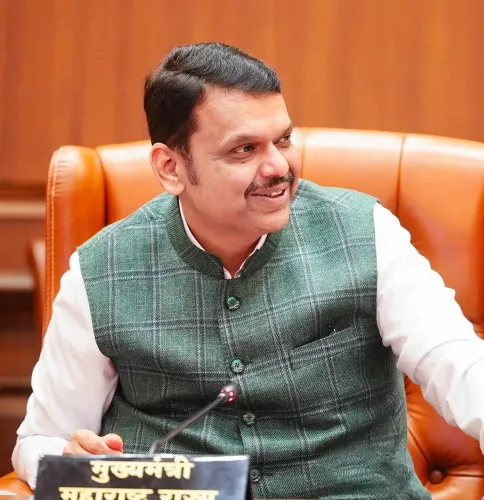
Mumbai Airport Funnel Zone redevelopment fast-tracked by CM Fadnavis
Synopsis
Thousands of Mumbai residents stuck in crumbling buildings near the airport and Juhu military zone may finally see relief. CM Fadnavis has unlocked a 'potential FSI' workaround that lets developers pool restricted development rights across plots — a structural fix to a bottleneck that has paralysed western suburb redevelopment for years.
Key Takeaways
CM Devendra Fadnavis on 9 July ordered fast-tracked redevelopment of buildings stalled by Airport Funnel Zone and Juhu Military Transmitter Station restrictions.
A new 'potential FSI' model will allow developers to 'club' unused FSI/TDR from height-restricted plots with nearby projects where height caps are less stringent.
The BMC has been directed to map all buildings constrained by the airport's funnel footprint as an immediate next step.
The state will pursue procedural clearances to resolve overlapping defence restrictions near the Juhu facility.
SRA , MHADA , and CIDCO are to be brought under a unified oversight framework led by the Urban Development Department .
Municipal and state officials have been given a clear timeline tied to upcoming civic planning deadlines.
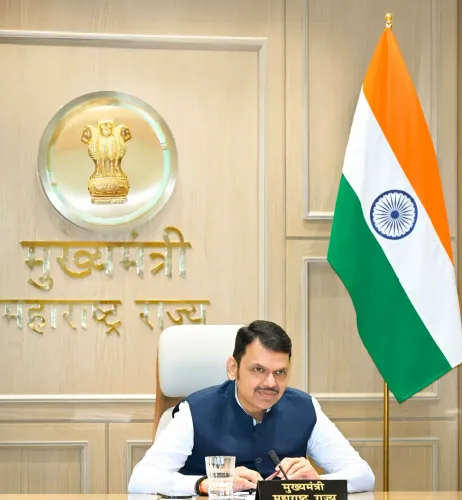
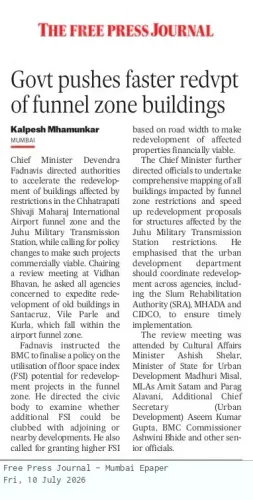
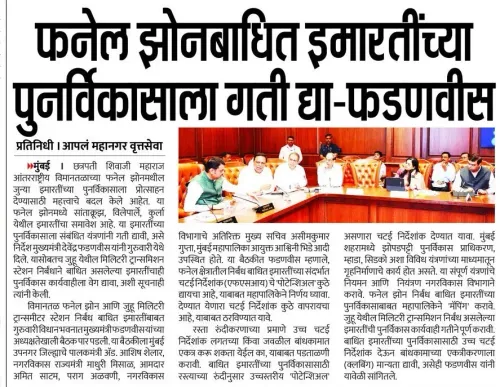
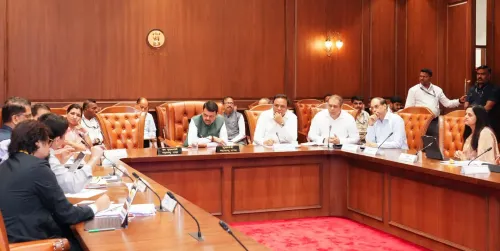
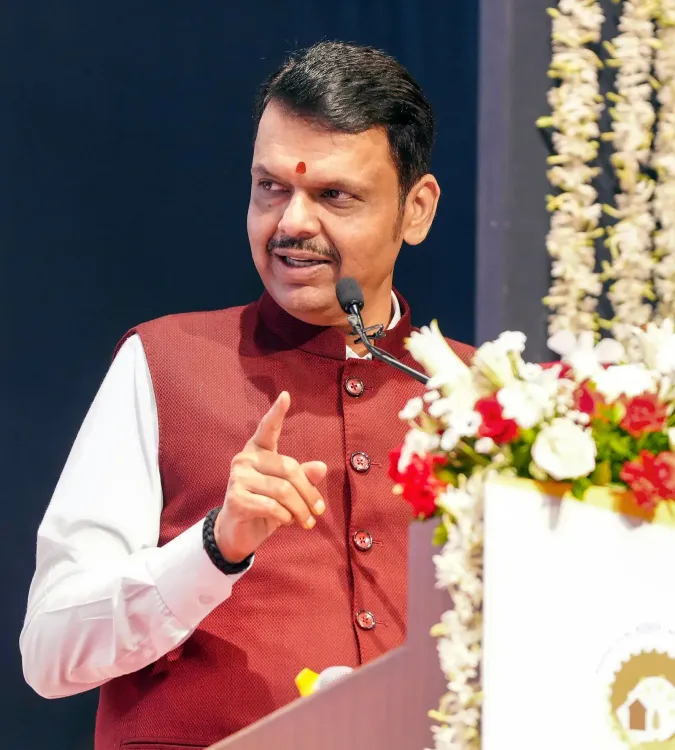
Chief Minister Devendra Fadnavis on Thursday, 9 July directed state agencies to accelerate the redevelopment of dilapidated buildings stalled by aviation height restrictions and defence security perimeters in Mumbai's western suburbs. The directives, issued at a high-level review meeting at Vidhan Bhavan, target structures within the Airport Funnel Zone covering Santacruz, Vile Parle, and Kurla, as well as buildings within safety perimeters around the Juhu Military Transmitter Station.
The Core Bottleneck
Height limits imposed by the airport's approach funnel — the designated airspace corridor for safe aircraft takeoff and landing — have historically made redevelopment financially unviable for builders in these localities. Thousands of residents in ageing housing societies have remained trapped in deteriorating structures as a direct consequence, with no viable path to reconstruction under existing rules.
The 'Potential FSI' Solution
To break the deadlock, CM Fadnavis introduced what officials described as a 'potential FSI' model. The Brihanmumbai Municipal Corporation (BMC) has been instructed to map precisely where unconsumed Floor Space Index (FSI) or Transferable Development Rights (TDR) generated from height-restricted plots can be deployed elsewhere. The state is examining an integration policy modelled after road-widening rules, which would allow developers to 'club' or combine the higher potential FSI of a height-restricted building with construction projects on neighbouring or nearby plots where height caps are less stringent. Higher-potential FSI allocations will be determined by the width of adjoining roads, providing a systematic mechanism to clear development logjams.
Unifying Mumbai's Housing Agencies
Beyond the immediate zone modifications, Fadnavis mandated a structural overhaul of how Mumbai's primary housing bodies interact. 'Multiple agencies like the Slum Rehabilitation Authority (SRA), MHADA, and CIDCO operate independently across Mumbai. Moving forward, the Urban Development Department must act as the ultimate regulatory and oversight nodal agency to unify housing enforcement,' he said. The directive represents a significant administrative consolidation aimed at eliminating jurisdictional overlaps that have long delayed urban renewal projects across the city.
Immediate Next Steps
The BMC will launch a comprehensive mapping exercise covering all buildings constrained by the airport funnel footprint. Simultaneously, the state will pursue procedural clearances to untangle overlapping defence restrictions near the Juhu facility. The meeting concluded with a clear timeline mandate for municipal and state officials to execute these guidelines ahead of upcoming civic planning deadlines. This comes amid growing pressure on Mumbai's urban administration to accelerate housing redevelopment as the city's ageing building stock continues to pose safety risks.
Point of View
But its success hinges entirely on execution — specifically, whether the BMC's mapping exercise produces actionable data within the mandated timeline. Mumbai has a long history of policy innovations in urban planning that stall at the implementation stage, particularly when multiple agencies are involved. The consolidation of SRA, MHADA, and CIDCO under a single nodal authority is the more consequential reform here: if it holds, it could reduce the jurisdictional friction that has quietly killed more redevelopment projects than height restrictions ever did. The real test will come when the first developer tries to club FSI across plots and encounters the bureaucratic reality of inter-agency coordination.
NationPress
8 Oct 2026
Frequently Asked Questions
What is the Airport Funnel Zone in Mumbai?
The Airport Funnel Zone is the designated airspace corridor around Chhatrapati Shivaji Maharaj International Airport used for safe aircraft takeoff and landing. Buildings within this zone in areas like Santacruz, Vile Parle, and Kurla face strict height restrictions that have historically made redevelopment financially unviable.
What is the 'potential FSI' model announced by CM Fadnavis?
It is a proposed policy that allows developers to 'club' or combine the unconsumed Floor Space Index (FSI) or Transferable Development Rights (TDR) from height-restricted plots with construction projects on nearby plots where height caps are less stringent. FSI allocations under this model will be linked to the width of adjoining roads.
Which areas are covered by CM Fadnavis's redevelopment directive?
The directive covers structures within the Airport Funnel Zone — specifically in Santacruz, Vile Parle, and Kurla — as well as buildings within the safety perimeter around the Juhu Military Transmitter Station in Mumbai's western suburbs.
How will Mumbai's housing agencies be restructured under the new order?
CM Fadnavis has directed the Urban Development Department to act as a unified regulatory and oversight nodal agency over the Slum Rehabilitation Authority (SRA), MHADA, and CIDCO, which currently operate independently. The aim is to eliminate jurisdictional overlaps that delay urban renewal projects.
What are the immediate next steps following the Vidhan Bhavan meeting?
The BMC will conduct a comprehensive mapping of all buildings affected by the airport funnel footprint. Simultaneously, the state will seek procedural clearances to resolve defence-related restrictions near the Juhu facility, with officials given a timeline tied to upcoming civic planning deadlines.