CM Fadnavis: President Murmu leads Goda Maha Aarti at Nashik Kumbh
Synopsis
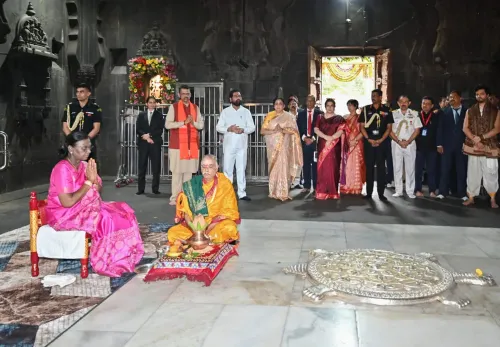
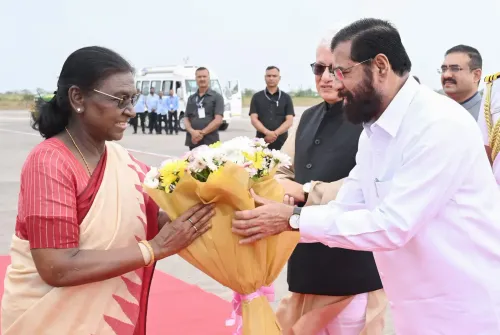
President Draupadi Murmu performed the Goda Maha Aarti at Ramtirth, Nashik on 31 October 2026 at 6:27 PM during the Simhastha Kumbh Mela, with CM Devendra Fadnavis sharing a live update — marking a rare presidential presence at Maharashtra's once-in-12-years pilgrimage.
Key Takeaways
President Draupadi Murmu personally led the Goda Maha Aarti at Ramtirth, Nashik on 31 October 2026 at 6:27 PM .
The event is part of the Simhastha Kumbh Mela , held at Nashik once every 12 years ; the last edition was in 2015 .
CM Devendra Fadnavis broadcast the moment live on X, tagging Rashtrapati Bhavan and the Nashik Trimbakeshwar Kumbh Mela Authority.
The Godavari river — called Goda locally — and the sacred site of Ramtirth form the ritual heart of Nashik's Kumbh observances.
Presidential participation signals strong Union government visibility at Maharashtra's most significant religious-cultural gathering of the decade.
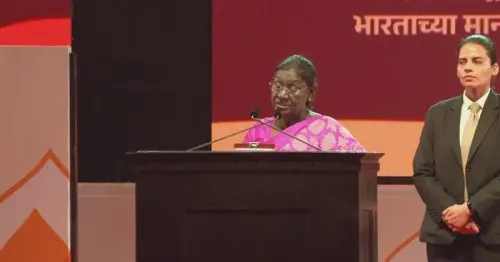
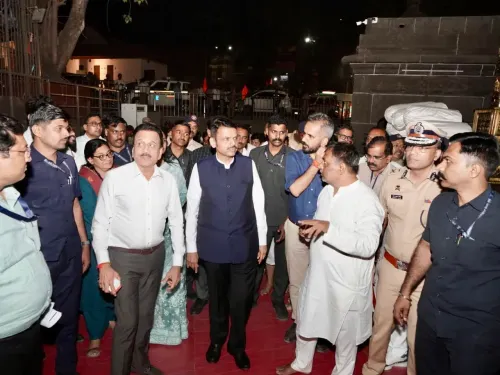
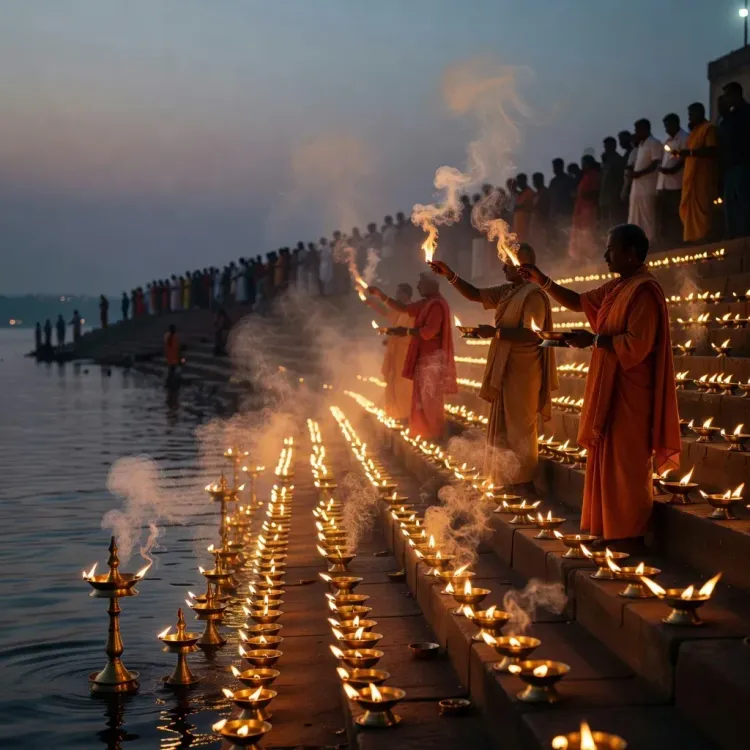
A living river, a luminous evening, and the highest constitutional office of India — all converging on the sacred banks of the Godavari. Maharashtra Chief Minister Devendra Fadnavis shared a live update on 31 October 2026 confirming that President Draupadi Murmu personally performed the Goda Maha Aarti at Ramtirth, Nashik, at 6:27 PM — marking a moment of rare presidential participation in one of Hinduism's most venerated pilgrimage cycles.
President Murmu at the Godavari ghats
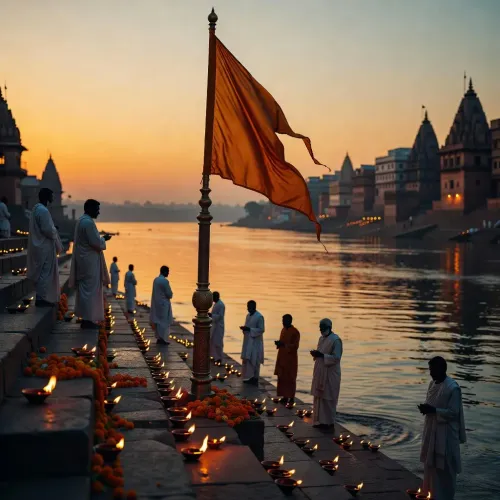
The Goda Maha Aarti — a grand ritual offering of light performed on the banks of the Godavari river, locally and affectionately called the Goda — is one of the centrepiece ceremonies of the Simhastha Kumbh Mela at Nashik. President Murmu's participation elevated the evening beyond a routine religious observance; it signalled the Union government's visible alignment with what is, for millions of pilgrims, the holiest event on the Maharashtra calendar. CM Fadnavis tagged the Rashtrapati Bhavan handle and the Nashik Trimbakeshwar Kumbh Mela Authority (@NTKMA_official), underlining both the constitutional weight and the administrative machinery behind the event.
Simhastha Kumbh Mela — what it means and why 2026 matters
The Simhastha Kumbh Mela is held at Nashik once every 12 years, drawing tens of millions of devotees to the banks of the Godavari for ritual immersions, discourses, and aartis. The previous Nashik Kumbh cycle was held in 2015, when the state government coordinated large-scale pilgrim infrastructure. The 2026 edition is therefore the first in over a decade — a full generational cycle — making the current proceedings a landmark moment for Maharashtra's spiritual and administrative calendar. Nashik, located in the northern reaches of the state, transforms during Kumbh season into one of the largest gatherings on Earth.
Ramtirth — the sacred geography of the aarti
Ramtirth in Nashik carries deep resonance in Hindu tradition, associated with the sojourn of Lord Ram during his exile and revered as one of the primary tirthas (pilgrimage sites) along the Godavari. Conducting the Maha Aarti at this precise location — rather than a generic ghat — speaks to the careful ritual choreography that defines Kumbh observance. The convergence of presidential presence and this consecrated geography is the kind of image that will anchor memories of the 2026 Simhastha for years to come.
With the aarti now performed and the presidential seal on this year's Kumbh, all eyes turn to what further ritual milestones — and state policy announcements on pilgrim facilities — the remaining days of the Simhastha Kumbh Mela 2026 will deliver.
Point of View
Hosting the President at Ramtirth during the once-in-12-years Simhastha reinforces its credentials as a custodian of Maharashtra's cultural heritage ahead of any future electoral cycle. The Kumbh Mela has increasingly become a canvas for both state capacity-building and central visibility, a pattern that deepens with each edition.
NationPress
31 Oct 2026
Frequently Asked Questions
What is the Goda Maha Aarti at Nashik?
The Goda Maha Aarti is a grand ritual offering of light performed on the banks of the Godavari river — called 'Goda' locally — at Nashik. It is one of the central ceremonies of the Simhastha Kumbh Mela, gathering large numbers of pilgrims and dignitaries at the sacred ghats.
When is the Simhastha Kumbh Mela held in Nashik?
The Simhastha Kumbh Mela at Nashik is held once every 12 years. The previous edition was in 2015, making the 2026 edition the first in over a decade.
Why did President Draupadi Murmu attend the Nashik Kumbh Mela?
President Murmu participated in the Goda Maha Aarti at Ramtirth, Nashik on 31 October 2026, marking a rare presidential presence at the Simhastha Kumbh Mela. Her attendance signals Union government-level recognition of the event's religious and cultural significance.
Where is Ramtirth in Nashik?
Ramtirth is a sacred pilgrimage site within Nashik, located on the banks of the Godavari river. It is associated with Lord Ram's sojourn during his exile and serves as one of the primary venues for Kumbh Mela rituals.
What did CM Devendra Fadnavis post about the Nashik Kumbh Mela?
CM Fadnavis shared a live update on X confirming that President Draupadi Murmu performed the Goda Maha Aarti at Ramtirth, Nashik at 6:27 PM on 31 October 2026, tagging Rashtrapati Bhavan and the Nashik Trimbakeshwar Kumbh Mela Authority.