CM Fadnavis Presides Over MDL-MWRRA Water Tariff MoU in Mumbai
Synopsis
Chief Minister Devendra Fadnavis presided over a formal MoU between Mazagon Dock Shipbuilders Limited and Maharashtra's water regulator MWRRA in Mumbai on 13 August 2026, mandating a structured assessment of water tariffs, project status, and solutions for the defence PSU.
Key Takeaways
CM Devendra Fadnavis presided over the MoU signing between MDL and MWRRA in Worli, Mumbai on 13 August 2026 .
The MoU focuses on water tariff impact assessment , project status review, and identification of solutions.
Mazagon Dock Shipbuilders Limited is a Mumbai-based defence PSU that builds warships and submarines for the Indian Navy.
MWRRA , established under the MWRRA Act of 2005 , regulates water tariffs and project oversight across Maharashtra.
The agreement formalises regulatory engagement between a central defence PSU and a state water authority, replacing ad hoc coordination.
The tariff impact assessment report arising from the MoU could set a precedent for water pricing of other large industrial and defence installations in the state.
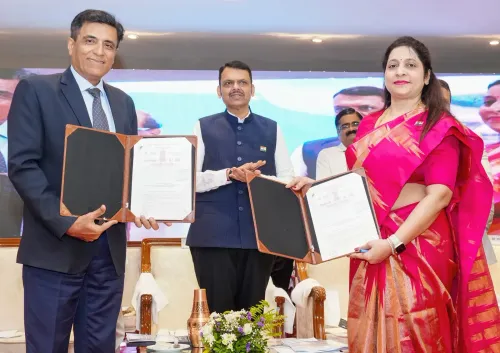
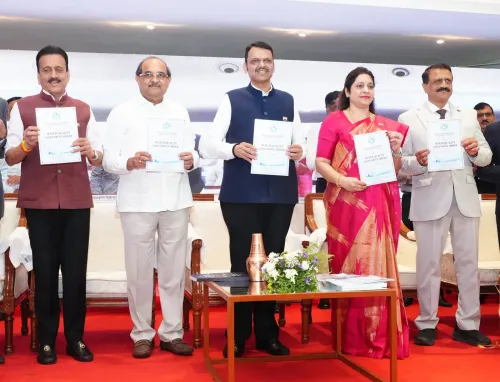
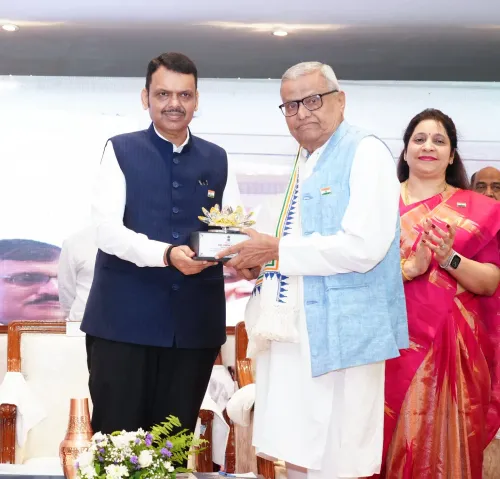
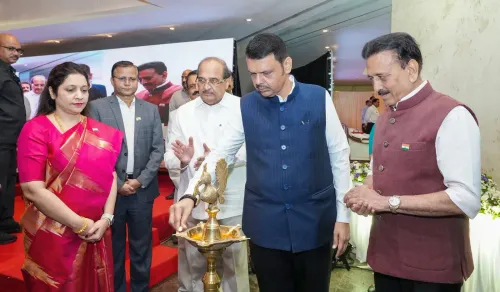
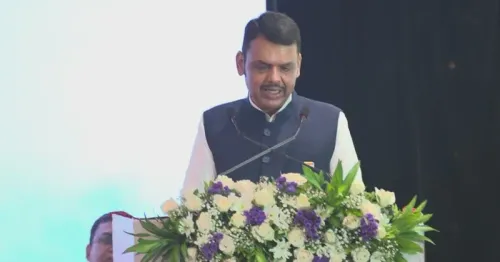
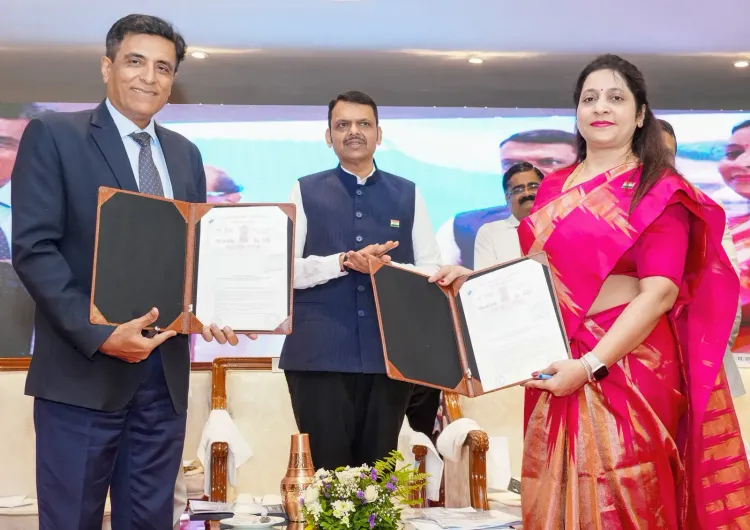
A defence shipyard and a state water regulator walked into the same room in Worli, Mumbai on Thursday, 13 August 2026 — and the agreement they signed could reshape how Maharashtra prices water for its industrial giants. Chief Minister Devendra Fadnavis presided over the signing and exchange of a Memorandum of Understanding between Mazagon Dock Shipbuilders Limited (MDL) and the Maharashtra Water Resources Regulatory Authority (MWRRA), bringing a central defence PSU and a state regulatory body into a formal working relationship.
What the MoU commits both sides to
The agreement centres on three specific deliverables: an impact assessment of water tariffs, a review of project status, and the identification of solutions to outstanding water-related challenges. In plain terms, MDL — which builds warships and submarines for the Indian Navy at its Mumbai yard — needs clarity on what it pays for water and how regulatory decisions affect its operations. MWRRA, created under the MWRRA Act, 2005, is the body empowered to provide exactly that clarity.
The signing was attended by Captain Vasudev Puranik, Director (Corporate) at Mazagon Dock Shipbuilders Limited, and Shwetali Thakare, Chairperson of MWRRA, along with other senior dignitaries from both organisations.
Why a shipyard's water bill is a governance matter
MDL is not a typical industrial water user. As a defence PSU that manufactures submarines and frontline warships, its operations are water-intensive and strategically critical. Water tariff volatility or unresolved project-level disputes can create cost uncertainty that ripples into defence procurement timelines. Maharashtra has periodically used such MoUs to align central PSU needs with state resource regulation — this agreement follows that established pattern, but with a sharper focus on formal impact assessment rather than ad hoc coordination.
The MWRRA Act framework gives the authority the mandate to regulate tariffs and monitor project execution. Formalising the MDL relationship under that framework means any tariff adjustment affecting the shipyard must now go through a documented, assessable process — a shift from informal negotiation to structured regulatory engagement.
What comes next from Worli
The immediate deliverable to watch is the tariff impact assessment report that the MoU mandates. Once published, it could trigger regulatory orders or project adjustments that set a precedent for how Maharashtra handles water pricing for other large defence and industrial installations. CM Fadnavis's presence at the signing signals that the state government views this not as routine paperwork, but as a governance priority at the intersection of industrial policy and water regulation.
For a state that hosts India's most concentrated cluster of defence manufacturing, getting that intersection right is not a bureaucratic exercise — it is an economic imperative.
Point of View
Assessable regulatory process, which limits discretionary decisions and creates an audit trail. For CM Fadnavis, presiding over the signing is a deliberate signal that Maharashtra is aligning its state regulatory machinery with the operational needs of central defence PSUs — a pitch to both New Delhi and investors. The broader arc here is Maharashtra's effort to position itself as the most industrially hospitable state for defence manufacturing, where regulatory friction is managed proactively rather than reactively. If the tariff assessment report leads to transparent, predictable water pricing for MDL, it could become a template replicated for other PSUs and large manufacturers across the state.
NationPress
13 Aug 2026
Frequently Asked Questions
What is the MDL-MWRRA MoU about?
The MoU signed on 13 August 2026 between Mazagon Dock Shipbuilders Limited and the Maharashtra Water Resources Regulatory Authority focuses on assessing the impact of water tariffs on MDL's operations, reviewing project status, and identifying solutions to water-related challenges.
Why did CM Devendra Fadnavis attend the MoU signing?
CM Fadnavis presided over the signing to signal the Maharashtra government's priority in aligning state water regulation with the operational needs of central defence PSUs like MDL, which is strategically important for defence manufacturing in the state.
What does MWRRA do and when was it set up?
The Maharashtra Water Resources Regulatory Authority was established under the MWRRA Act of 2005 to regulate water tariffs, oversee water allocations, and monitor project execution across Maharashtra.
What does Mazagon Dock Shipbuilders Limited do?
Mazagon Dock Shipbuilders Limited is a Mumbai-based defence public sector undertaking that manufactures warships and submarines for the Indian Navy and is one of India's premier naval shipyards.
What happens after the MoU is signed?
The key next step is the publication of a water tariff impact assessment report mandated by the MoU. This report could lead to regulatory orders or project adjustments that set a precedent for water pricing for other large defence and industrial units in Maharashtra.