CM Fadnavis Receives ₹15.11 Lakh Cheque for Drought-Hit Farmers
Synopsis
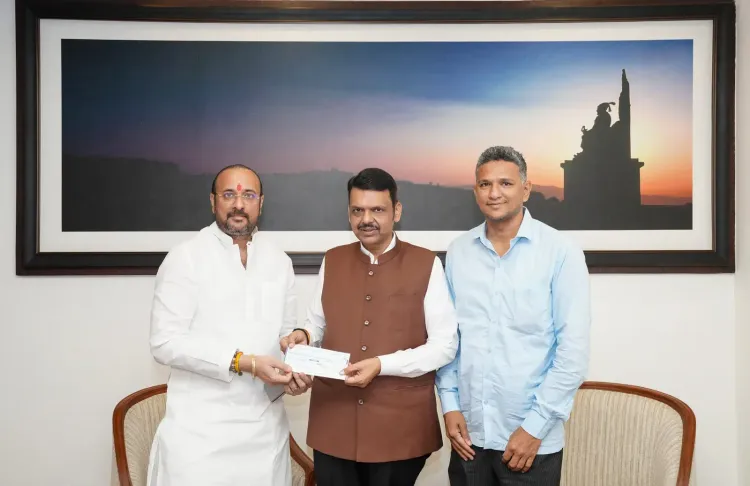
Nitesh Singh of Shanaya Star donated ₹15,11,000 to Maharashtra's Chief Minister's Relief Fund in Mumbai, handing the cheque to CM Devendra Fadnavis for drought-affected farmers. The fund is a key state mechanism for channelling emergency agricultural relief in Maharashtra.
Key Takeaways
₹15,11,000 donated to the Chief Minister's Relief Fund by Nitesh Singh of Shanaya Star in Mumbai on 11 November 2026 .
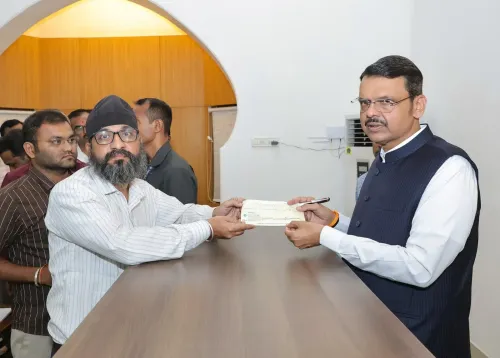
The cheque was personally received by Chief Minister Devendra Fadnavis , who thanked the donor.
The CM Relief Fund is Maharashtra's principal state-managed channel for routing disaster and drought relief to farmers.
Regions such as Marathwada and Vidarbha bear the brunt of recurring monsoon failures and agricultural distress in Maharashtra.
Private donations to the fund have been a recurring feature of Maharashtra's drought-response strategy, seen in past crises including 2015–16 and 2019 .
The donation arrives as the rabi sowing season is under way, making timely disbursement critical for affected farming households.
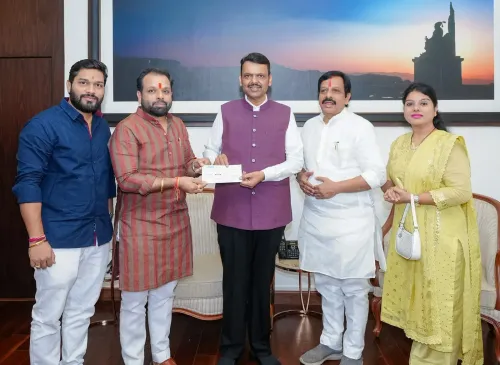
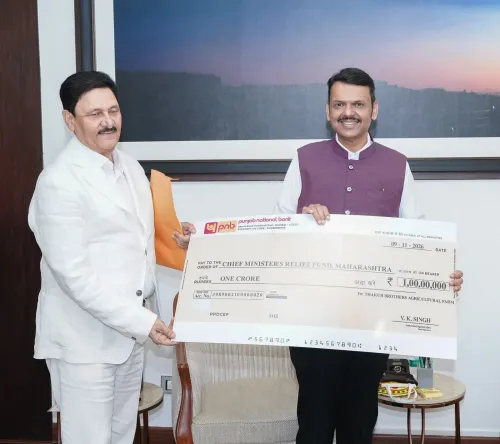
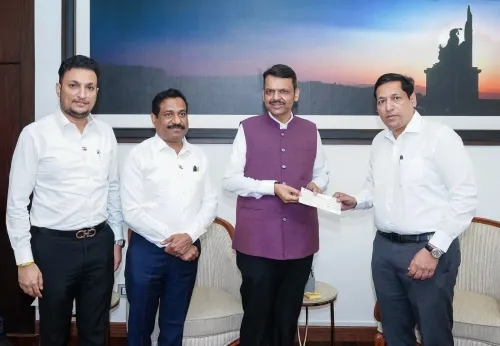
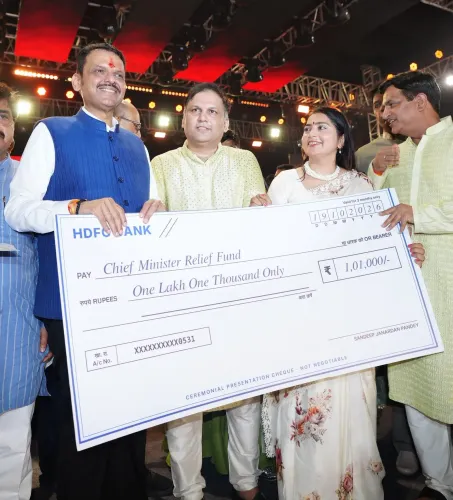
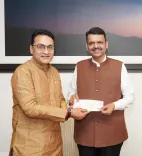
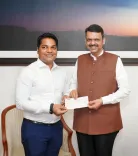
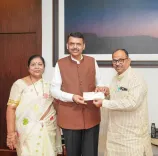
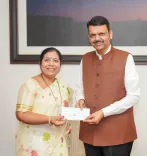
A cheque worth ₹15,11,000 changed hands in Mumbai on Wednesday, 11 November 2026 — a private gesture aimed squarely at Maharashtra's drought-stricken farming communities. The Chief Minister's Office of Maharashtra announced that Nitesh Singh, representing the organisation Shanaya Star, handed the donation to Chief Minister Devendra Fadnavis for the Chief Minister's Relief Fund, with Fadnavis personally thanking Singh for the contribution.
A cheque for the fields that failed
The post, shared by the Chief Minister's Office, states in Marathi: 'मुख्यमंत्री फडणवीस यांनी त्यांचे आभार मानले' — 'Chief Minister Fadnavis expressed his gratitude to them.' The ₹15.11 lakh donation flows directly into the Chief Minister's Relief Fund (CM Relief Fund), Maharashtra's designated channel for routing emergency assistance to farmers and communities hit by natural calamities, including drought. Maharashtra's agricultural belt — particularly the Marathwada and Vidarbha regions — has long been vulnerable to monsoon failure. When rains underperform, crop yields collapse, debt mounts, and rural households face acute distress. State governments have historically declared drought-affected zones and mobilised the CM Relief Fund to deliver rapid, targeted aid, supplementing formal budgetary allocations with private contributions exactly like this one.Private giving in Maharashtra's drought-response playbook
Accepting private donations into the CM Relief Fund is a well-established part of Maharashtra's disaster-response architecture. During the severe drought cycles of 2015–16 and 2019, corporate houses, civil-society groups, and individuals contributed to the fund alongside state and central government disbursements. The practice keeps relief pipelines primed even between formal government tranches, ensuring that eligible farmers — the ultimate stakeholders — receive support without waiting solely on the budget cycle. Fadnavis, who first led Maharashtra as Chief Minister from 2014 and returned to the role in 2022, has consistently positioned drought relief as a governance priority in a state where agriculture employs a vast share of the population and rural distress carries enormous political and human weight. With the rabi sowing season now under way, any shortfall in soil moisture or irrigation access directly determines what millions of farming families earn over the coming months. Contributions to the CM Relief Fund at this juncture carry practical timing: funds received now can be deployed for immediate input support before crop windows close. Whether this donation triggers broader private fund-mobilisation — and how the state accounts for and disburses contributions to verified drought-affected beneficiaries — will be the measure of whether the gesture translates into ground-level relief.Point of View
Publicly acknowledging each such contribution reinforces his administration's visibility on agrarian distress, a politically sensitive issue in a state where farmer welfare shapes electoral outcomes. The timing, ahead of the rabi season, adds policy relevance beyond optics. The real test, however, lies in transparent utilisation reporting — whether such contributions demonstrably reach verified drought-affected beneficiaries or simply swell a general corpus.
NationPress
11 Nov 2026
Frequently Asked Questions
What is the Maharashtra Chief Minister's Relief Fund?
The Chief Minister's Relief Fund is a state-managed financial mechanism in Maharashtra used to channel emergency assistance to people affected by natural calamities, including droughts. It accepts both government allocations and private donations.
Who donated ₹15.11 lakh to CM Fadnavis for drought farmers?
Nitesh Singh, representing the organisation Shanaya Star, donated ₹15,11,000 to the Chief Minister's Relief Fund by handing a cheque to Chief Minister Devendra Fadnavis in Mumbai on 11 November 2026.
Which regions of Maharashtra are most affected by drought?
The Marathwada and Vidarbha regions of Maharashtra are historically the most vulnerable to monsoon failure and drought, with repeated crop shortfalls creating acute distress for farming communities there.
How has Maharashtra used the CM Relief Fund for drought relief before?
During major drought cycles in 2015–16 and 2019, the Maharashtra government mobilised the CM Relief Fund to provide emergency support to farmers, supplementing budgetary allocations with private contributions from corporates and individuals.
Why does the timing of this donation matter?
The donation coincides with the rabi sowing season, when farmers need timely input support. Funds received now can potentially be deployed before critical crop windows close, making the timing practically significant beyond symbolic value.