CM Fadnavis receives ₹3,33,333 cheque for drought-hit farmers
Synopsis
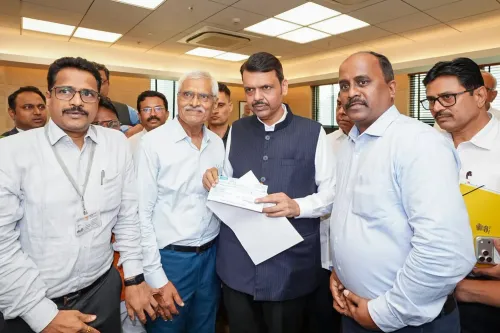
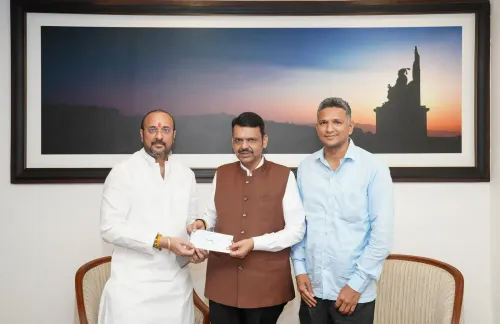
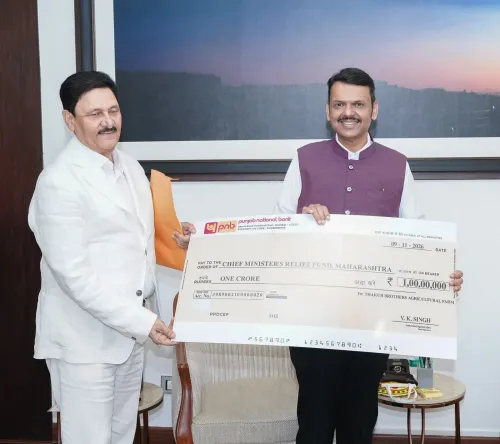
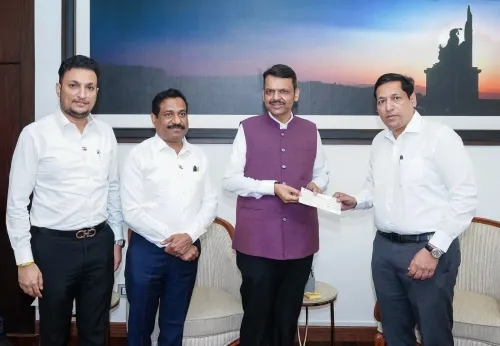
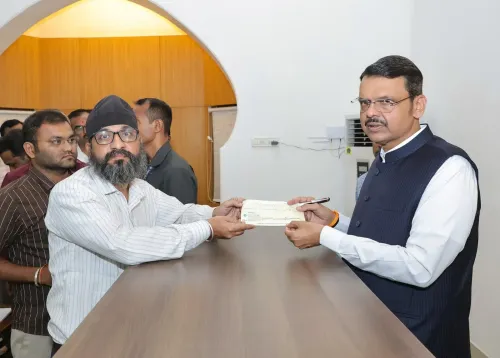
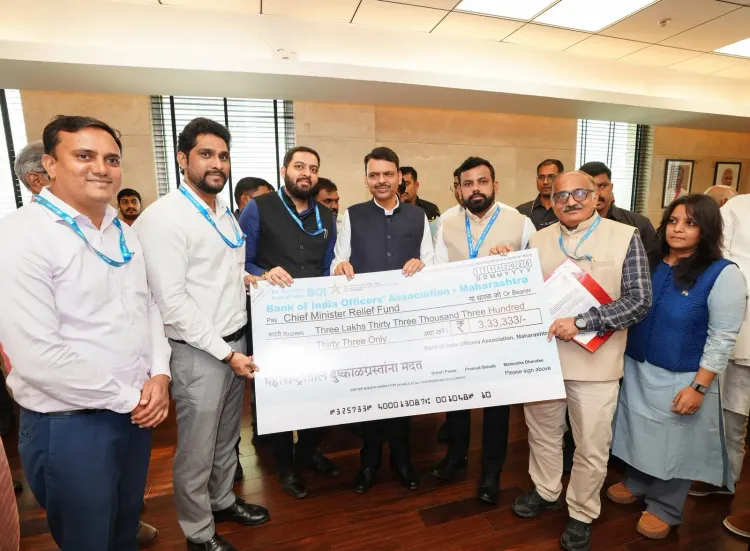
The Bank of India Officers Association, Maharashtra donated ₹3,33,333 to the Chief Minister's Relief Fund for drought-affected farmers. General Secretary Nilesh Pawar handed the cheque to CM Devendra Fadnavis in Mumbai on 18 November 2026.
Key Takeaways
₹3,33,333 donated to the Chief Minister's Relief Fund for drought-affected farmers in Maharashtra.
Cheque presented by Nilesh Pawar , General Secretary, Bank of India Officers Association, Maharashtra .
CM Devendra Fadnavis received the donation in Mumbai on 18 November 2026 .
The CM Relief Fund is Maharashtra's official instrument for calamity and drought relief, particularly in Marathwada and Vidarbha .
Professional bodies making contributions to the fund is a recurring pattern in Maharashtra, last notably seen during the 2018–2019 drought .
When a bankers' association walks into the Chief Minister's office with a cheque for drought-stricken farmers, it signals something beyond a ceremonial gesture — it underscores just how acute Maharashtra's agricultural distress has become. On Wednesday, 18 November 2026, the Chief Minister's Office of Maharashtra announced that Chief Minister Devendra Fadnavis received a donation of ₹3,33,333 in Mumbai, contributed to the Chief Minister's Relief Fund for the assistance of drought-affected farmers.
The cheque was handed over by Nilesh Pawar, General Secretary of the Bank of India Officers Association, Maharashtra, on behalf of the association. CM Fadnavis thanked the association for the contribution, acknowledging the gesture publicly through the official CMO account.
Who stands behind the donation
The Bank of India Officers Association, Maharashtra is a regional body representing bank officers that has periodically stepped up for social welfare causes in the state. The association's decision to route this donation specifically to the Chief Minister's Relief Fund — rather than to any private or NGO-managed pool — reflects confidence in the state's official drought-relief machinery.
Nilesh Pawar, the association's General Secretary, personally presented the cheque to CM Fadnavis, lending the handover a formal, institutional character. The amount — ₹3,33,333 — carries a culturally auspicious numerological symmetry that is common in ceremonial donations across Maharashtra.
Maharashtra's drought cycle and the Relief Fund
The Chief Minister's Relief Fund is a long-standing Maharashtra government instrument for channelling emergency assistance during calamities, including drought. Successive state governments have deployed it for relief in Marathwada and Vidarbha — the two semi-arid belts that bear the heaviest burden of water stress season after season.
Contributions from professional bodies — banking associations, trade unions, cooperative societies — to this fund have formed a consistent thread in Maharashtra's drought-response ecosystem. Similar association donations were recorded during the severe 2018–2019 drought episodes, when both regions faced acute crop losses and farmer distress.
The timing of this donation, arriving ahead of what observers are watching as a potentially stressed next agricultural season, adds weight to what might otherwise read as a routine civic gesture.
What the fund does next
How and when these funds reach the ground level — the parched fields of Aurangabad, Latur, Amravati, and neighbouring districts — will be the real measure. The state government's track record on fund disbursement to affected talukas, and whether fresh drought declarations follow the next monsoon assessment, will determine whether contributions like this one translate into tangible relief for farmers already on the edge.
For Maharashtra's farming communities, every cheque handed to the CM's Relief Fund is both a lifeline and a reminder: the state's drought wounds run deep enough that a bankers' association feels compelled to act.
Point of View
Publicly acknowledging such contributions builds a narrative of broad societal solidarity around farmer welfare ahead of any potential drought declaration. The real policy test, however, lies not in receiving the cheque but in how quickly and equitably the Relief Fund reaches stressed talukas.
NationPress
18 Nov 2026
Frequently Asked Questions
What is the Chief Minister's Relief Fund in Maharashtra?
The Chief Minister's Relief Fund is an official Maharashtra government fund used to provide emergency financial assistance during natural calamities, including droughts. It accepts donations from individuals, organisations, and institutions, and disburses aid to affected communities across the state.
Who donated ₹3,33,333 to the CM Relief Fund?
The Bank of India Officers Association, Maharashtra donated ₹3,33,333 to the CM Relief Fund. The cheque was presented by General Secretary Nilesh Pawar to Chief Minister Devendra Fadnavis in Mumbai on 18 November 2026.
Which regions of Maharashtra are most affected by drought?
Marathwada and Vidarbha are Maharashtra's most drought-prone regions, experiencing recurrent water and agricultural stress due to their semi-arid geography and dependence on seasonal rainfall.
Can organisations donate to the Maharashtra CM Relief Fund?
Yes, organisations, associations, and individuals can donate to the Maharashtra CM Relief Fund. The fund accepts cheques and electronic transfers, and contributions are periodically acknowledged by the Chief Minister's Office.
What was the drought situation in Maharashtra during 2018–2019?
Maharashtra experienced severe drought conditions in 2018–2019 , particularly in Marathwada and Vidarbha, leading to significant crop losses and farmer distress. The CM Relief Fund received contributions from multiple professional bodies during that period as well.