CM Fadnavis Reviews PMAY-Urban Housing Stock in Mumbai
Synopsis
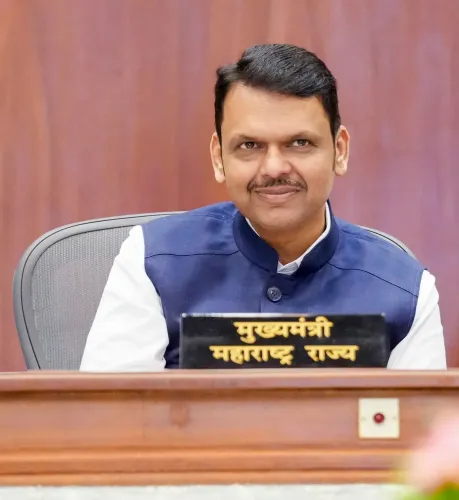
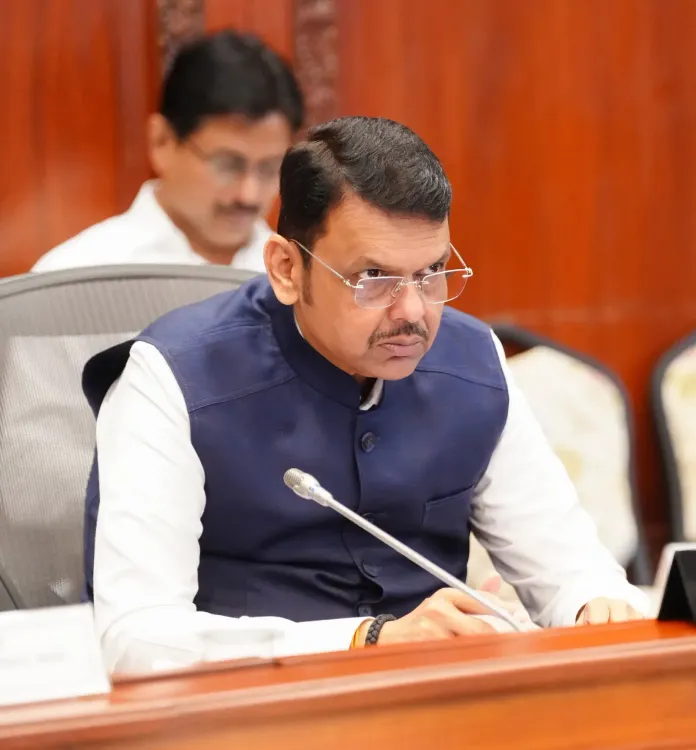
Chief Minister Devendra Fadnavis chaired a review meeting on PMAY-Urban housing stock at Sahyadri Guest House, Mumbai, on 30 July 2026. MoS Dr. Pankaj Bhoyar and senior officials were present as Maharashtra assessed progress under the central affordable housing scheme.
Key Takeaways
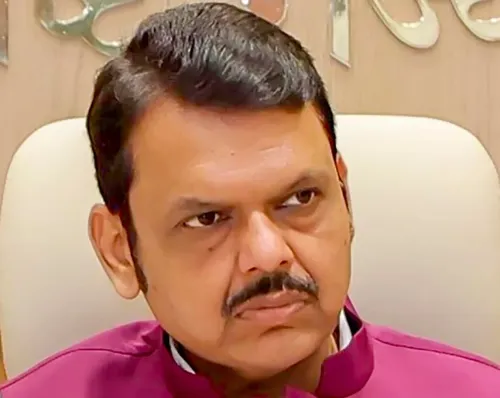
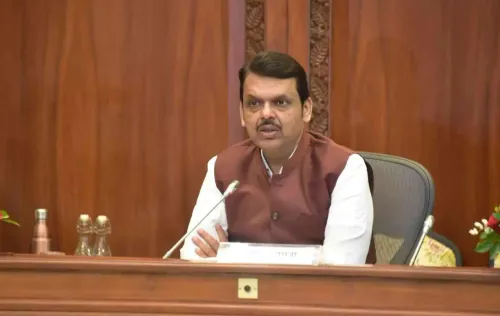
CM Devendra Fadnavis chaired the review meeting at Sahyadri Guest House, Mumbai on 30 July 2026 at 1:45 PM .
The meeting focused on available housing stock under Pradhan Mantri Awas Yojana (Urban) and other state housing schemes.
Minister of State Dr.
Pankaj Bhoyar and senior officials were present.
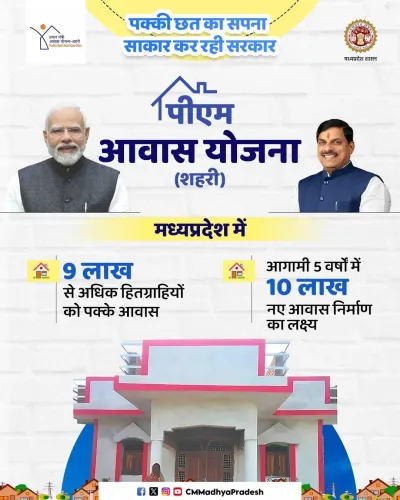
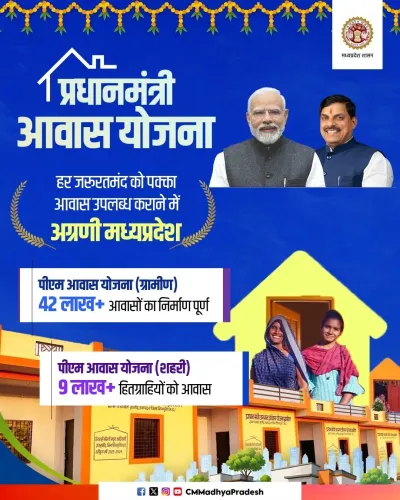
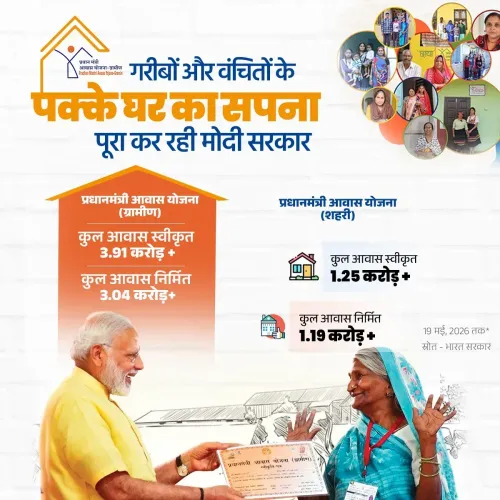
PMAY-Urban , launched in June 2015 , targets affordable pucca housing for eligible urban households through multiple delivery verticals.
Maharashtra bears a significant share of PMAY-Urban implementation responsibility given its large urban population.
The gap between sanctioned, completed, and occupied units remains a key pressure point for the scheme nationally.
At Sahyadri Guest House, Mumbai, on 30 July 2026, Chief Minister Devendra Fadnavis chaired a high-level review of available housing stock under the Pradhan Mantri Awas Yojana (Urban) and other state housing schemes — a signal that Maharashtra is tightening its grip on one of India's most ambitious urban shelter programmes.
What the review covered
Minister of State Dr. Pankaj Bhoyar and senior officials joined the 1:45 PM meeting, where the agenda centred on assessing the housing stock currently available under PMAY-Urban and allied schemes. The Chief Minister's Office confirmed the session via an official post, noting the presence of key administrative stakeholders responsible for on-ground delivery.
PMAY-Urban and Maharashtra's role in the national push
Launched in June 2015, the Pradhan Mantri Awas Yojana (Urban) set out to provide every eligible urban household a pucca (permanent) home, operating through verticals including in-situ slum rehabilitation, beneficiary-led construction, and affordable housing in partnership. The original 2022 deadline has since been extended, keeping state-level implementation squarely in the spotlight. Maharashtra, with one of India's largest urban populations and a chronic housing deficit in cities like Mumbai and Pune, carries an outsized share of that national responsibility.
State governments are the primary engines of PMAY-Urban — responsible for beneficiary identification, project sanctioning, and ensuring completed units actually reach families. Periodic stock reviews like today's are standard practice, but they carry real stakes: units sanctioned on paper do not automatically translate into occupied homes. The gap between completion and occupancy has been a persistent pressure point for the scheme nationally.
Fadnavis at the wheel on urban housing
Chief Minister Fadnavis, who previously led Maharashtra from 2014 to 2019, has long been involved in the state's engagement with centrally sponsored welfare schemes. His direct chairmanship of this review — rather than delegating it entirely to the housing ministry — underlines the political weight the government is placing on housing delivery ahead of any revised targets or budget-session announcements. Maharashtra's urban poor and low-income families remain the intended beneficiaries, and the pace of delivery will define whether the scheme's promise holds.
With state-level progress reports on unit completion and occupancy under active scrutiny, today's meeting at Sahyadri Guest House is less a formality and more a reckoning — Maharashtra putting its housing numbers on the table.
Point of View
Not just an administrative checkbox. The move fits a broader pattern of the Mahayuti government seeking to demonstrate welfare-scheme momentum ahead of potential budget or policy announcements. The persistent national gap between sanctioned and occupied units makes stock-level reviews consequential — they are where bottlenecks are either identified or papered over. How Maharashtra translates this review into accelerated occupancy will be a test of whether state-level political attention can actually move the needle on urban housing delivery.
NationPress
30 Jul 2026
Frequently Asked Questions
What is Pradhan Mantri Awas Yojana Urban?
Pradhan Mantri Awas Yojana (Urban) is a central government scheme launched in June 2015 to provide affordable permanent housing to eligible urban households through verticals including in-situ slum rehabilitation, credit-linked subsidy, and beneficiary-led construction.
What did CM Devendra Fadnavis review on 30 July 2026?
CM Devendra Fadnavis chaired a review meeting regarding available housing stock under PMAY-Urban and other housing schemes at Sahyadri Guest House, Mumbai, with MoS Dr. Pankaj Bhoyar and senior officials present.
Who is Dr. Pankaj Bhoyar?
Dr. Pankaj Bhoyar is a Minister of State in the Maharashtra government who was present at the PMAY-Urban housing stock review chaired by CM Fadnavis on 30 July 2026.
What is Maharashtra's role in PMAY-Urban implementation?
Maharashtra is responsible for beneficiary identification, project sanctioning, and ensuring completed units reach families under PMAY-Urban, making state-level reviews critical to the scheme's success given the state's large urban population.
Why is the housing stock review important for Maharashtra?
Periodic reviews of housing stock under PMAY-Urban help identify gaps between sanctioned, completed, and occupied units — a persistent challenge nationally — and allow the state government to course-correct delivery for urban poor and low-income families.