CM Fadnavis Secures ₹500 Cr SDRF Advance for Flood-Hit Maharashtra
Synopsis
Maharashtra Chief Minister Devendra Fadnavis announced on 1 August 2026 that the Centre has released ₹500 crore as the first SDRF instalment to support relief, rescue and rehabilitation in heavy-rainfall-affected districts, crediting PM Modi and Home Minister Amit Shah for the swift approval.
Key Takeaways
₹500 crore released by the Centre as the first instalment of Maharashtra's SDRF share for flood relief.
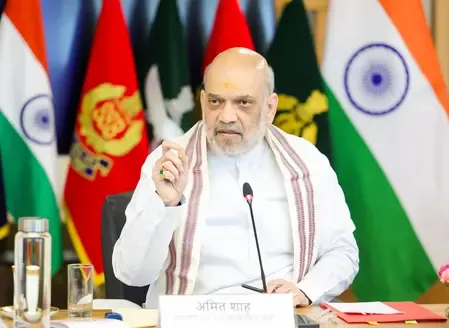
The release was approved by Prime Minister Narendra Modi and Union Home Minister Amit Shah .
Funds are meant for relief, rescue and rehabilitation in heavy-rainfall-affected areas of Maharashtra.
The Disaster Management Act, 2005 mandates a 75:25 Centre-state SDRF sharing ratio for general-category states like Maharashtra.
This is the first instalment ; further tranches or NDRF activation remain possible depending on damage-assessment outcomes.
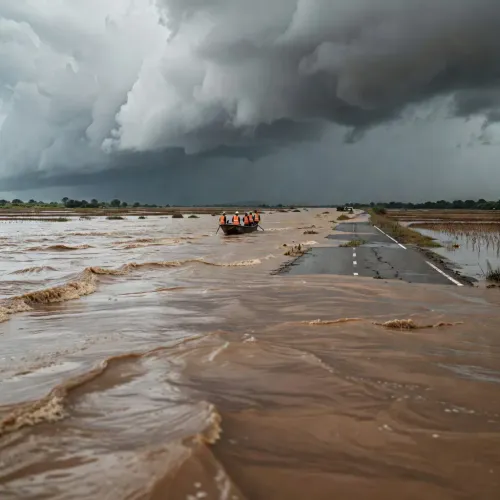
When monsoon fury strikes, the speed of relief determines lives saved — and Maharashtra Chief Minister Devendra Fadnavis announced on Saturday, 1 August 2026 that the Centre has released ₹500 crore as an advance instalment of the State Disaster Response Fund to bolster rescue and rehabilitation in the state's heavy-rainfall-hit districts.
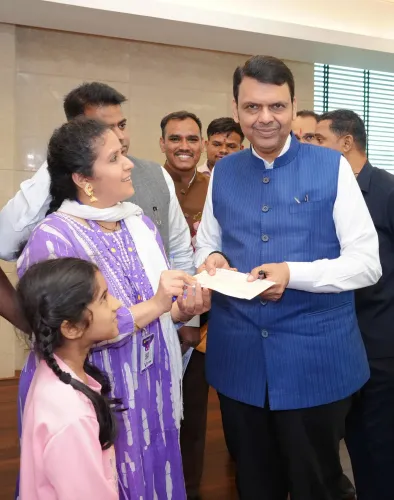
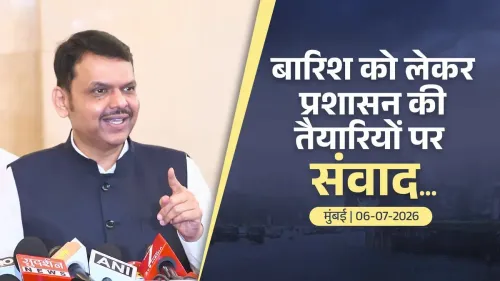
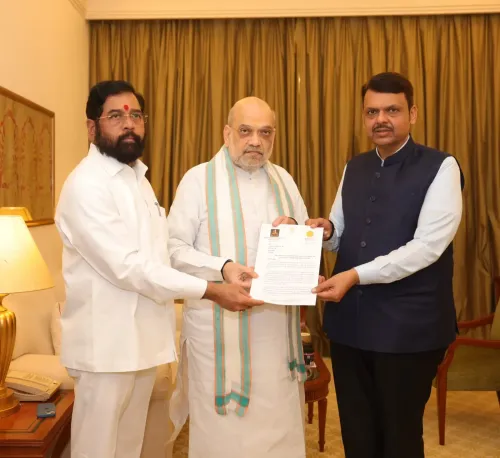
Fadnavis expressed gratitude to Prime Minister Narendra Modi and Union Home and Cooperation Minister Amit Shah for approving the release, describing it as the first instalment of the Central Government's share of the State Disaster Response Fund (SDRF). In his words: 'This timely assistance reflects the Government of India's continued commitment to standing firmly with Maharashtra and will ensure faster support reaches affected families.'
What the SDRF Mechanism Actually Means for Flood Victims
The Disaster Management Act, 2005 created the SDRF framework with a 75:25 Centre-state cost-sharing ratio for general-category states like Maharashtra. The advance-release mechanism — routed through the Ministry of Home Affairs — exists precisely to prevent the bureaucratic lag that can strand relief operations in the critical first days after a calamity. States do not need to exhaust their own funds and wait for reimbursement; the Centre front-loads its share so money moves when it matters most.
This ₹500 crore tranche is the opening instalment, not the ceiling. If the scale of damage exceeds SDRF limits, the state can seek further support, including potential activation of the National Disaster Response Fund (NDRF) — a higher-tier instrument reserved for calamities of severe national consequence.
Maharashtra's Monsoon Distress and What Comes Next
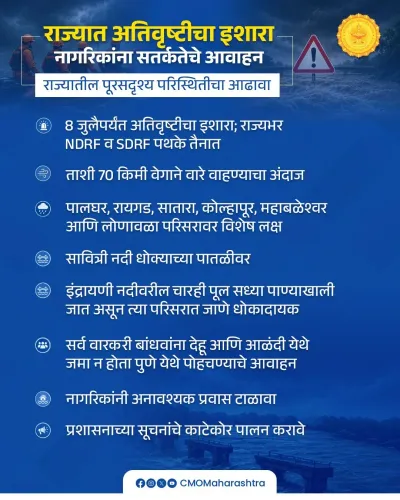
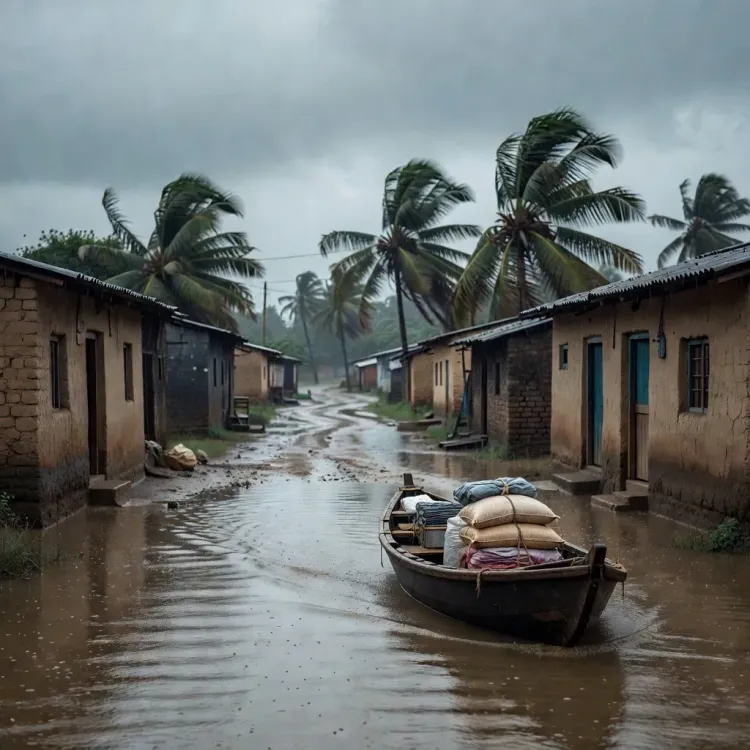
Heavy rainfall events have repeatedly tested Maharashtra's disaster-response infrastructure — coastal Konkan, the Ghats corridor, and parts of Vidarbha are perennially vulnerable once the southwest monsoon intensifies. The advance release signals that the state administration has formally escalated the severity of the current rainfall situation to the Centre, triggering the SDRF protocol.
Official damage-assessment reports from the state government will now be watched closely. Those figures will determine whether the ₹500 crore first instalment is sufficient, or whether Fadnavis will need to return to New Delhi for additional tranches — or invoke a higher-level central response entirely.
Five hundred crore rupees can move fast when the pipeline is already open. The real test is whether the relief machinery on the ground — district collectors, NDRF teams, local bodies — can deploy it with equal speed to the families who need it most.
Point of View
Signalling that the BJP-led central government is visibly responsive to its own chief minister's state during a monsoon crisis. For Fadnavis, securing the funds quickly and announcing them publicly reinforces his administrative credibility ahead of any political scrutiny over the state's flood preparedness. The broader pattern to watch is whether the ₹500 crore first instalment proves adequate, or whether a larger calamity declaration — and the NDRF — becomes necessary, which would shift the story from routine relief to a national emergency frame.
NationPress
2 Aug 2026
Frequently Asked Questions
What is the SDRF and how does it work in India?
The State Disaster Response Fund (SDRF) is a disaster-relief mechanism established under the Disaster Management Act, 2005. For general-category states like Maharashtra, the Centre contributes 75% and the state 15%, providing funds for relief, rescue and rehabilitation during natural calamities such as floods and heavy rainfall.
Why did Maharashtra receive ₹500 crore from the Centre?
The ₹500 crore was released as the first instalment of the Central Government's SDRF share to support relief, rescue and rehabilitation operations in Maharashtra's heavy-rainfall-affected areas, as announced by Chief Minister Devendra Fadnavis on 1 August 2026.
Who approved the ₹500 crore SDRF advance for Maharashtra?
Prime Minister Narendra Modi and Union Home and Cooperation Minister Amit Shah approved the advance release of ₹500 crore to Maharashtra under the SDRF framework.
Is ₹500 crore the total central assistance Maharashtra will receive for floods?
No. The ₹500 crore is described as the first instalment of the Centre's SDRF share. Additional tranches can follow depending on official damage assessments, and if losses exceed SDRF limits, the National Disaster Response Fund (NDRF) may also be invoked.
What areas of Maharashtra are affected by heavy rainfall in 2026?
Chief Minister Fadnavis referred broadly to 'heavy rainfall affected areas of Maharashtra.' Specific district-level damage details are subject to official state government assessment reports, which are expected to follow the initial fund release.