CM Fadnavis Sets May 2029 Target for Gargai Dam Project
Synopsis
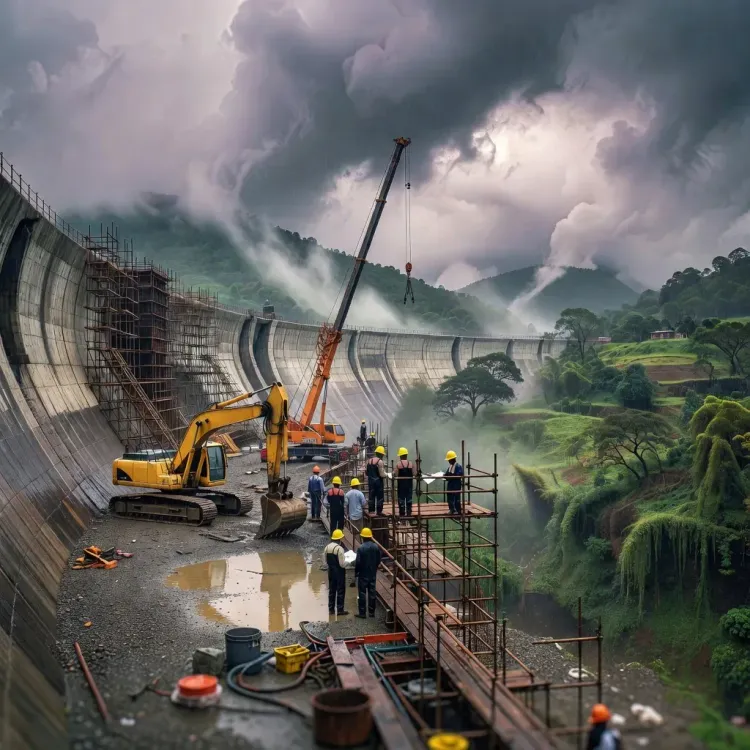
Chief Minister Devendra Fadnavis has set a May 2029 target to commission the Gargai Dam Project in Palghar district, a ₹3,065-crore scheme designed to bolster long-term water supply to the Mumbai Metropolitan Region, with NBWL clearance the key remaining regulatory hurdle.
Key Takeaways
May 2029 has been set as the target date to commission the Gargai Dam Project in Palghar district .
The project's estimated cost is ₹3,065 crore , covering the dam, water tunnel, power unit, and 22 rehabilitation infrastructure facilities .
A total of 844 hectares of land will be affected, including 658 hectares of forest land and 186 hectares of private land .
Two villages — Ogada and Khodade — will be fully submerged; four others will be partially affected.
Technical and environmental clearances have been obtained; National Board for Wildlife (NBWL) clearance is still pending.
1,400 hectares of land is being made available for rehabilitation of displaced communities.
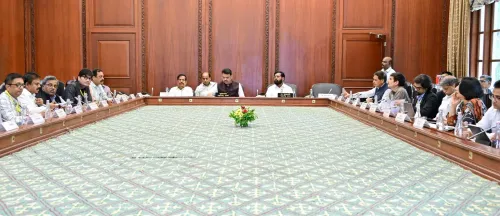
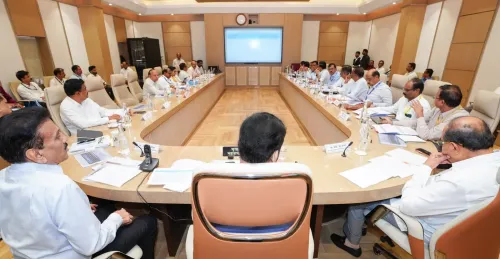
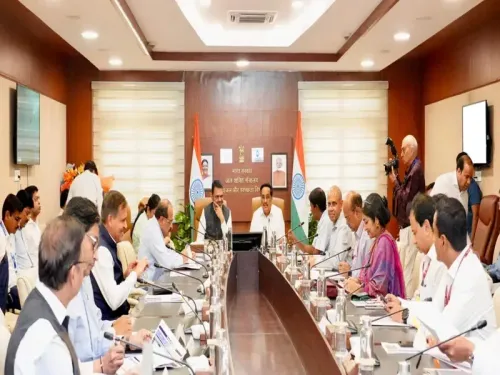
The Chief Minister's Office of Maharashtra announced on Monday, 27 July 2026 that Chief Minister Devendra Fadnavis has set a deadline of May 2029 to commission the Gargai Dam Project, a major reservoir initiative in Palghar district aimed at augmenting long-term water supply to the Mumbai Metropolitan Region. The announcement followed a review meeting chaired by CM Fadnavis at Sahyadri Guest House, Mumbai.
Context
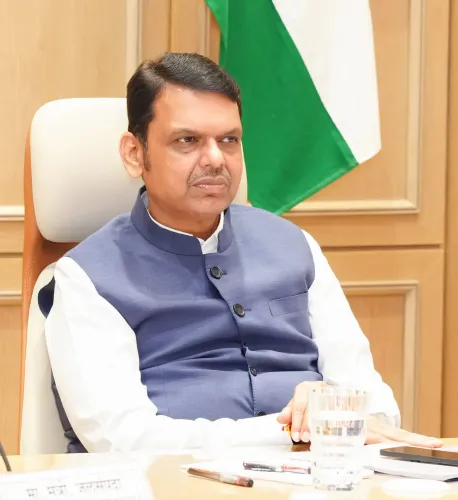
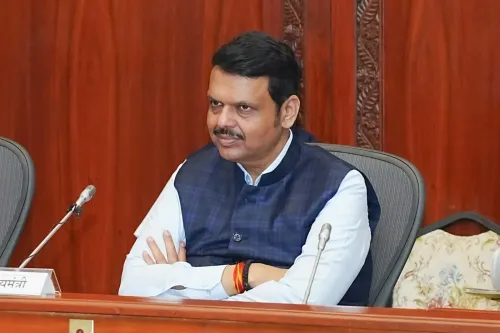
The review meeting, attended by Deputy Chief Minister Eknath Shinde, Minister Ganesh Naik, and senior officials, focused on accelerating rehabilitation, afforestation, and construction works tied to the project. CM Fadnavis stated: 'गारगाई धरण प्रकल्पाच्या उभारणीला गती देण्यात आली असून, मे 2029 पर्यंत प्रकल्प कार्यान्वित करण्याचे उद्दिष्ट निश्चित करण्यात आले आहे' ('Work on the Gargai Dam Project has been accelerated, and the target of commissioning it by May 2029 has been set'). He directed that rehabilitation, afforestation, and construction activities be expedited without delay.
The project site is located in the Devali area of Palghar district, north of Mumbai. Once complete, it is expected to significantly increase raw water availability for the Mumbai city and its wider metropolitan region, which faces chronic water stress driven by population growth and limited storage infrastructure.
Policy Backdrop
Maharashtra governments have pursued additional water storage projects for Mumbai since the early 2000s, seeking to reduce dependence on existing sources such as the Tansa and Vaitarna systems. The Gargai project is part of this broader pattern of reservoir and tunnel development to serve the Mumbai Metropolitan Region.
The project carries an estimated cost of ₹3,065 crore, covering the dam structure, a water tunnel, 22 rehabilitation infrastructure facilities, and a power generation unit. Land acquisition, rehabilitation, compensatory afforestation, net present value of trees, and consultancy costs are to be borne separately from the main contract expenditure.
A total of 844 hectares of land will be affected — comprising 186 hectares of private land and 658 hectares of forest land. The submergence zone covers 805 hectares. To compensate for the loss of forest land, the state government is providing land across various districts to the Forest Department for afforestation, and 1,400 hectares of land is being made available for rehabilitation purposes.
Stakeholders and Impact
Six villages in Palghar district will be affected by the project. Ogada and Khodade villages will be fully submerged, while Pachghar, Tilmal, Phanasgaon, and Amale will be partially affected. These villages have significant tribal populations, making rehabilitation and consent processes under central law critical to the project's progress.
The project has secured key approvals including technical clearance for the design from the National Earthquake Design Standards Committee and environmental clearances. Clearance from the Ministry of Tribal Affairs (MoTA) has also been received. Proceedings for approval from the National Board for Wildlife (NBWL) are currently underway — a clearance that remains the most significant pending regulatory milestone.
What's Next
The state government's immediate priority is securing the National Board for Wildlife clearance, after which tendering and contractor mobilisation for the main dam and tunnel works are expected to follow. Officials indicated that rehabilitation and environmental mitigation measures will receive special emphasis throughout the construction phase.
With May 2029 set as the commissioning target, the Gargai Dam Project will be a key test of Maharashtra's ability to deliver large water infrastructure within ecological and tribal-rights constraints — and of the state's readiness to meet Mumbai's water needs through the next decade of urban growth.
Point of View
Using a firm 2029 deadline to project administrative momentum. The project sits at a complex intersection of urban demand, tribal rights, and forest law — making the pending National Board for Wildlife clearance the single most consequential variable. By publicly committing to a timeline and listing approvals already secured, the Chief Minister's Office is also managing stakeholder expectations and pre-empting criticism over delays that have historically plagued large dam projects in Maharashtra. The emphasis on compensatory afforestation and rehabilitation reflects growing political sensitivity around displacement in tribal-dominated Palghar, a district that has seen significant political contestation in recent years.
NationPress
27 Jul 2026
Frequently Asked Questions
What is the Gargai Dam Project and where is it located?
The Gargai Dam Project is a proposed reservoir being built in the Devali area of Palghar district, Maharashtra, designed to increase raw water supply to the Mumbai Metropolitan Region. It is one of several water infrastructure initiatives pursued by the Maharashtra government to address Mumbai's long-term water needs.
When will the Gargai Dam be completed?
Chief Minister Devendra Fadnavis has set a target of May 2029 for the project to be commissioned, as announced at a review meeting held on 27 July 2026 at Sahyadri Guest House, Mumbai.
What is the cost of the Gargai Dam Project?
The estimated cost of the Gargai Dam Project is ₹3,065 crore, covering the dam structure, water tunnel, power generation unit, and 22 rehabilitation infrastructure facilities. Costs for land acquisition, afforestation, and consultancy are additional and separate from this figure.
Which villages will be affected by the Gargai Dam Project?
Six villages in Palghar district will be affected. Ogada and Khodade will be fully submerged, while Pachghar, Tilmal, Phanasgaon, and Amale will be partially affected. A total of 1,400 hectares of land is being made available for the rehabilitation of displaced residents.
What approvals are still pending for the Gargai Dam Project?
As of July 2026, the project has received technical design clearance and environmental clearances, as well as approval from the Ministry of Tribal Affairs. The clearance from the National Board for Wildlife (NBWL) is still pending and is the key remaining regulatory milestone.