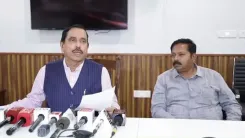
CM Fadnavis Speaks at Panchjanya's Mumbai Sankalp 2026
Synopsis
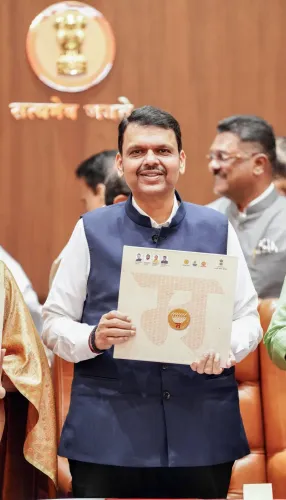
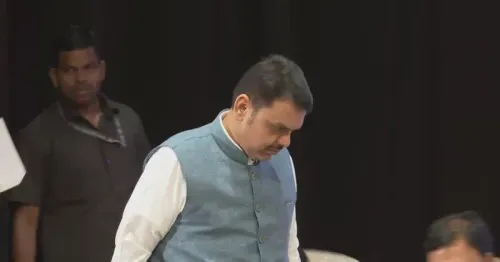
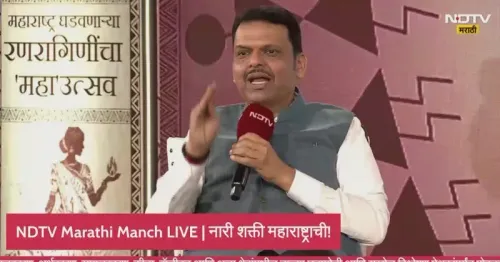
Chief Minister Devendra Fadnavis appeared in a live interview at Panchjanya's 'Sushasan Samvad: Mumbai Sankalp 2026' event on 30 September 2026, with the Chief Minister's Office of Maharashtra broadcasting the session as the administration spotlights its Mumbai governance agenda.
Key Takeaways
Chief Minister Devendra Fadnavis gave a live interview at the Panchjanya -organised 'Sushasan Samvad: Mumbai Sankalp 2026' event on 30 September 2026 .
The Chief Minister's Office of Maharashtra streamed the session live on X, amplifying its reach beyond the in-person audience.
Panchjanya is the RSS's flagship weekly publication; its 'Sushasan Samvad' format stages governance dialogues with sitting leaders.
The 'Mumbai Sankalp 2026' framing sets a visible aspirational deadline for urban and administrative commitments in Maharashtra's capital.
Fadnavis has served as Maharashtra Chief Minister since 2014 , with a prior term running 2014–2019 , making him the state's most prominent BJP face.
Follow-up policy announcements tied to the 'Mumbai Sankalp' agenda are expected in the coming months.
In a live interaction that placed Maharashtra's governance agenda squarely in the national conversation, Chief Minister Devendra Fadnavis sat down for a wide-ranging interview at Sushasan Samvad: Mumbai Sankalp — an event organised by the RSS-linked weekly Panchjanya — on Wednesday, 30 September 2026. The Chief Minister's Office of Maharashtra broadcast the session live, signalling the administration's intent to amplify its urban governance pitch through ideologically aligned platforms.
Panchjanya's 'Sushasan Samvad' and what it represents
Panchjanya, the Rashtriya Swayamsevak Sangh's flagship weekly publication, has long served as a forum where BJP leaders articulate governance philosophy to a motivated, ideologically engaged readership. The 'Sushasan Samvad' — loosely translated as 'Good Governance Dialogue' — format takes that a step further: it moves the conversation out of print and into live public events, inviting direct scrutiny of a sitting government's record and roadmap.
Hosting the session in Mumbai, India's financial capital and Maharashtra's seat of power, was a deliberate choice. The city is simultaneously the state's biggest administrative challenge and its most visible showcase — a fact that lends the 'Mumbai Sankalp 2026' framing its urgency.
Fadnavis, Mumbai, and the governance stakes
Devendra Fadnavis has been one of the BJP's most prominent faces in Maharashtra, having first served as Chief Minister from 2014 to 2019 before returning to lead the state again. His appearances at Panchjanya-organised events are consistent with a broader pattern in which BJP state leaders use RSS-ecosystem platforms to communicate governance priorities directly to the party's ideological base — bypassing conventional press conferences and reaching a deeply invested audience.
The 'Mumbai Sankalp 2026' tag points to an aspirational planning horizon. References to a specific future year in such forums typically anchor urban or administrative commitments to a visible deadline — a rhetorical device that turns intent into accountability. What specific pledges or policy positions Fadnavis articulated during the interview has not been independently confirmed, but the very choice of forum underlines that Mumbai's trajectory is being framed as a governance test case for Maharashtra's ruling coalition.
Why this conversation matters beyond the room
Maharashtra residents — particularly Mumbai's tens of millions — are the direct stakeholders in any administrative commitments made under the 'Sankalp' banner. Infrastructure, housing, civic services, and economic opportunity in the city carry national consequences given Mumbai's outsized contribution to India's GDP. A sitting Chief Minister spelling out a 2026 vision in a live, recorded format raises the bar for follow-through: the record exists, the audience is engaged, and the clock is running.
Watch for follow-up policy announcements or municipal-level initiatives that translate the 'Mumbai Sankalp' conversation into concrete action in the months ahead.
Point of View
Time-bound urban vision that will be easy to audit. For Fadnavis personally, articulating a Mumbai roadmap in this forum consolidates his image as the BJP's indispensable Maharashtra operator ahead of any future electoral or administrative cycle. The broader pattern suggests these Sushasan Samvad events are becoming a structured accountability mechanism within the BJP-RSS ecosystem, not merely ceremonial outreach.
NationPress
30 Sept 2026
Frequently Asked Questions
What is Panchjanya's 'Sushasan Samvad: Mumbai Sankalp 2026'?
'Sushasan Samvad' means 'Good Governance Dialogue' — a live public event format organised by Panchjanya, the RSS's weekly publication, where sitting political leaders discuss governance priorities. The 'Mumbai Sankalp 2026' edition, held on 30 September 2026, featured Maharashtra Chief Minister Devendra Fadnavis.
Who is Devendra Fadnavis?
Devendra Fadnavis is a senior BJP leader and the Chief Minister of Maharashtra. He first served as Chief Minister from 2014 to 2019 and has since returned to the role, making him the party's most prominent figure in the state.
What does 'Mumbai Sankalp 2026' mean?
'Sankalp' translates to 'resolve' or 'pledge' in English. The 'Mumbai Sankalp 2026' framing signals an aspirational governance or urban-development agenda for Mumbai anchored to the year 2026, setting a visible deadline for administrative commitments.
Why did the CMO Maharashtra broadcast this event?
The Chief Minister's Office live-streamed the Panchjanya interview on X to maximise public reach, allowing Maharashtra residents and a broader national audience to follow the Chief Minister's governance statements in real time.