CM Fadnavis spotlights Grishneshwar temple in Shravan push
Synopsis
On Independence Day 2026, Maharashtra CM Devendra Fadnavis promoted the Grishneshwar Jyotirlinga near the Ellora Caves under the 'Maharashtrachi Shivdhara' campaign, urging youth to connect with the state's religious and historical heritage during the Shravan season.
Key Takeaways
CM Devendra Fadnavis posted on 15 August 2026 highlighting the Grishneshwar Jyotirlinga in Chhatrapati Sambhajinagar during the Shravan season.
Grishneshwar is one of the twelve Jyotirlinga shrines of Lord Shiva and sits adjacent to the Ellora Caves , a UNESCO World Heritage Site .
The post is part of the #महाराष्ट्राची_शिवधारा (Maharashtrachi Shivdhara) campaign linking religious heritage with youth engagement.
Chhatrapati Sambhajinagar was renamed from Aurangabad in 2023 to honour the Maratha king Chhatrapati Sambhaji Maharaj .
The campaign coincides with Shravan 2026 , the Hindu month most associated with Shiva worship and peak pilgrimage footfall.
Stone carved over a thousand years ago and still drawing millions of faithful every year — Maharashtra Chief Minister Devendra Fadnavis turned the lens on Grishneshwar Jyotirlinga, one of Hinduism's twelve sacred Shiva shrines, on Independence Day, 15 August 2026, invoking the monument as a symbol of Maharashtra's living cultural identity during the holy month of Shravan.
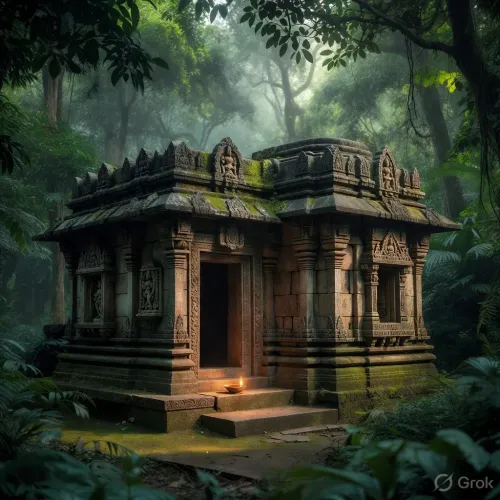
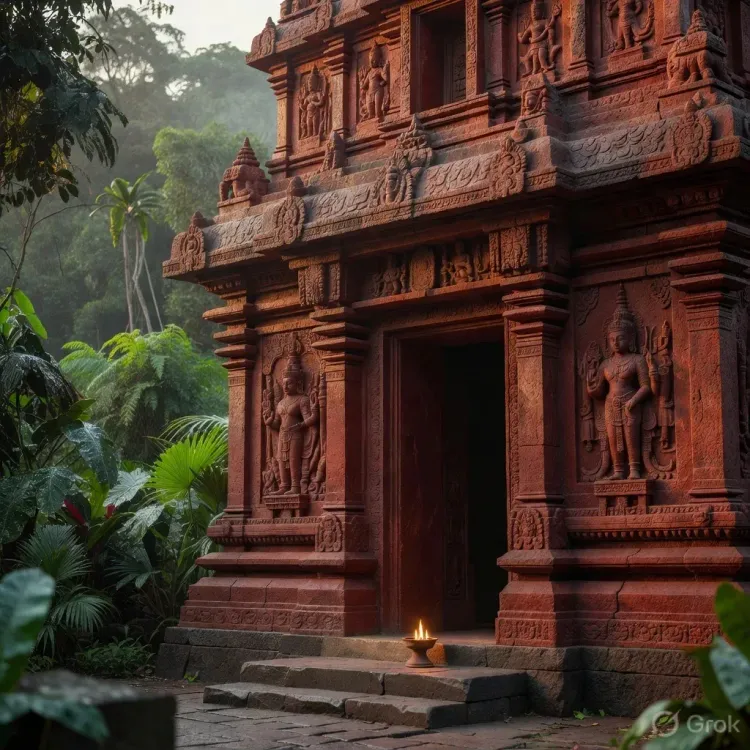
Posting under the campaign hashtag #महाराष्ट्राची_शिवधारा ('Maharashtra's Shiva Stream'), Fadnavis wrote: 'The architectural splendour of red stone nestled in the lap of the Ellora Caves — the Grishneshwar Jyotirlinga Shiva temple in Chhatrapati Sambhajinagar! When the youth connect with their culture, this religious and historical heritage will be preserved.'
Where Ellora's red stone meets living faith
The Grishneshwar temple sits on the edge of the Ellora Caves complex near Chhatrapati Sambhajinagar — a UNESCO World Heritage Site comprising rock-cut Hindu, Buddhist, and Jain temples chiselled from red volcanic stone between the 6th and 10th centuries CE. The Jyotirlinga itself is among the most visited pilgrimage points in the Deccan, drawing devotees who pour in especially during Shravan, the monsoon month that the Shaivite calendar treats as the most auspicious period for Shiva worship.
The city that hosts it carries a freshly restored name. Aurangabad was officially renamed Chhatrapati Sambhajinagar in 2023 by the Maharashtra government, a deliberate act of historical reclamation honouring the Maratha warrior-king Chhatrapati Sambhaji Maharaj. Fadnavis's post layers that political and cultural symbolism onto a religious moment.
Youth, heritage, and the Shravan season
The Chief Minister's message is directed squarely at young Maharashtrians. His framing — that heritage survives only when the next generation claims it — echoes a broader pattern in state tourism policy, where campaigns around Ellora-Ajanta clusters and Jyotirlinga circuits have repeatedly targeted youth engagement alongside pilgrim footfall. The Shravan 2026 hashtag signals this is timed to the season's peak, when temple towns across Maharashtra see their highest visitor numbers.
Maharashtra Tourism, the state body that promotes religious and heritage circuits, stands at the centre of such efforts. Infrastructure upgrades and cultural events at the Grishneshwar-Ellora corridor during the Shravan season are a space worth watching as the campaign gains traction.
A Jyotirlinga, a UNESCO site, a renamed city, and a generation being asked to look back before they move forward — Fadnavis has packaged all of it into a single Independence Day frame, betting that cultural pride and pilgrimage can travel together.
Point of View
Maratha historical pride, and youth outreach into a single frame at a moment of maximum symbolic visibility. The choice of Grishneshwar — a Jyotirlinga embedded in a UNESCO site inside a city the BJP government renamed — is not accidental; it consolidates three distinct strands of the party's Maharashtra identity politics. Positioning the campaign around Shravan maximises organic reach among pilgrims while giving the state tourism apparatus a seasonal hook. The 'youth and heritage' framing also insulates the message from partisan critique by grounding it in cultural continuity rather than electoral competition.
NationPress
15 Aug 2026
Frequently Asked Questions
Where is the Grishneshwar Jyotirlinga located?
The Grishneshwar Jyotirlinga is located in Chhatrapati Sambhajinagar district in Maharashtra, adjacent to the Ellora Caves complex, a UNESCO World Heritage Site.
What is the significance of Grishneshwar temple?
Grishneshwar is one of the twelve Jyotirlinga shrines dedicated to Lord Shiva, making it one of the most sacred pilgrimage sites in Hinduism. It is especially crowded during the month of Shravan .
What is the Maharashtrachi Shivdhara campaign?
Maharashtrachi Shivdhara ('Maharashtra's Shiva Stream') is a cultural and tourism campaign promoted by CM Devendra Fadnavis to connect Maharashtra's youth with the state's religious and historical heritage, timed to the Shravan 2026 season.
Why was Aurangabad renamed Chhatrapati Sambhajinagar?
The Maharashtra government renamed Aurangabad to Chhatrapati Sambhajinagar in 2023 to honour the Maratha warrior-king Chhatrapati Sambhaji Maharaj and reclaim the city's Maratha historical identity.
What is the importance of Shravan month for Shiva devotees?
Shravan is a monsoon month in the Hindu calendar considered the most auspicious period for worshipping Lord Shiva. Jyotirlinga temples across India, including Grishneshwar, see their highest pilgrim footfall during this month.