CM Fadnavis thanks PM Modi, Gadkari for 3 Pune elevated highways
Synopsis
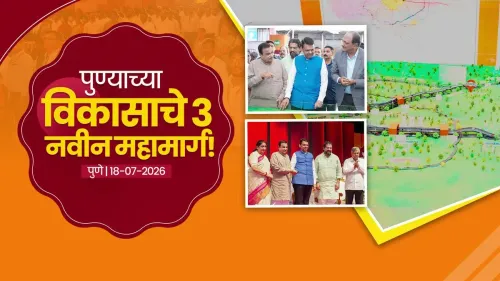
Maharashtra CM Devendra Fadnavis thanked PM Narendra Modi and Union Minister Nitin Gadkari for prioritising three elevated highway projects in Pune — the Pune–Shirur Expressway, Talegaon–Chakan–Shikrapur Highway, and Hadapsar–Yawat Highway — at a foundation-laying ceremony on 18 July 2026.
Key Takeaways
CM Devendra Fadnavis publicly thanked PM Narendra Modi and Nitin Gadkari for sanctioning three elevated highway projects in Pune .
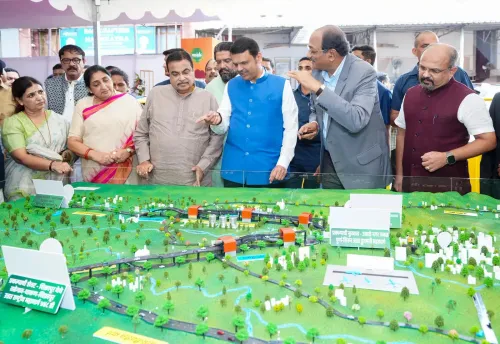
The three corridors are the Pune–Shirur Elevated Expressway , the Talegaon–Chakan–Shikrapur Elevated Highway , and the Hadapsar–Yawat Elevated Highway .
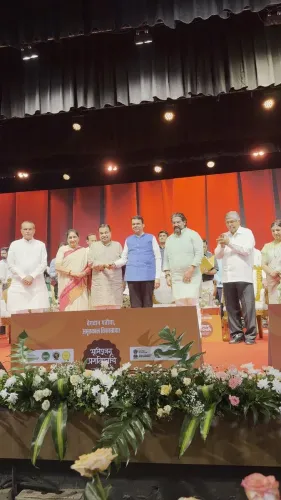
Foundation stones for all three projects were laid at a bhoomipooja ceremony in Pune on 18 July 2026 .
The Talegaon–Chakan–Shikrapur corridor is critical for the Chakan industrial belt, one of Maharashtra's largest manufacturing clusters.
Projects are expected to be funded and executed through NHAI mechanisms under the Bharatmala Pariyojana framework.
Next steps include NHAI tendering, land acquisition, and state budget coordination for all three alignments.
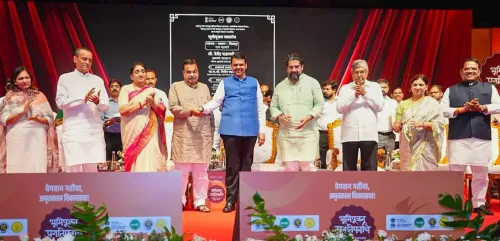
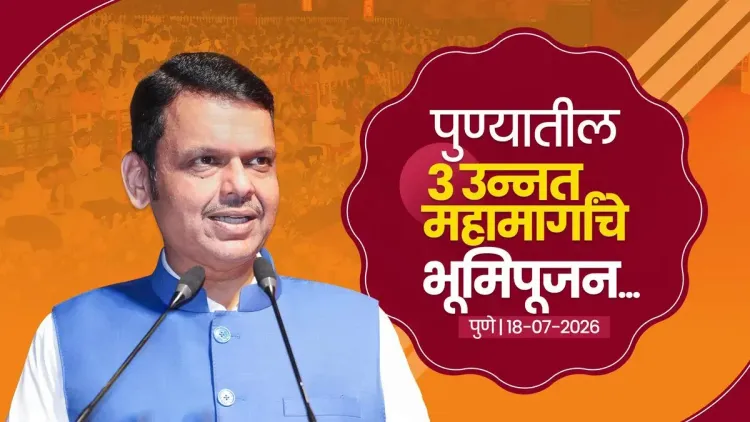
Maharashtra Chief Minister Devendra Fadnavis on Saturday, 18 July 2026 expressed gratitude to Prime Minister Narendra Modi and Union Road Transport and Highways Minister Nitin Gadkari for prioritising three elevated highway projects in and around Pune, marking the occasion of their foundation-stone laying ceremony.
Context
Posting in both Marathi and Hindi, CM Fadnavis thanked the Prime Minister and Union Minister for giving priority to three corridors: the Pune–Shirur Elevated Expressway, the Talegaon–Chakan–Shikrapur Elevated Highway, and the Hadapsar–Yawat Elevated Highway. The post was accompanied by a video from the bhoomipooja (foundation-laying) event held in Pune on 18 July 2026. In his words: 'हृदय से आभार' — 'heartfelt gratitude' — for the Centre's decision to prioritise these projects.
The three corridors collectively address some of Pune's most congested arterial stretches, connecting the city's eastern and north-western industrial and residential zones. The Talegaon–Chakan–Shikrapur alignment is particularly significant for the Chakan industrial belt, one of Maharashtra's densest manufacturing clusters.
Policy Backdrop
The projects sit within India's broader push to build elevated urban corridors and access-controlled expressways, a thrust that has accelerated since 2014 through mechanisms such as the Bharatmala Pariyojana — a national programme launched in 2015 to develop expressways and national highways across the country. Funding and project sanction for such corridors typically flows through the National Highways Authority of India (NHAI), with states coordinating on land acquisition and utility shifting.
Maharashtra has been a consistent beneficiary of central highway investment, given its share of national industrial output and freight movement. The Pune metropolitan region, which houses major automobile, IT, and logistics operations, has long been identified as a priority zone for decongestion infrastructure.
Stakeholders and Impact
Pune commuters who navigate the city's chronically congested corridors stand to benefit most directly from the elevated alignments, which are designed to separate fast-moving traffic from local intersections. Businesses in the Chakan industrial zone — home to several large automobile manufacturers and ancillary units — are expected to see improved freight logistics once the Talegaon–Chakan–Shikrapur corridor is operational.
The Hadapsar–Yawat stretch addresses connectivity for Pune's rapidly expanding south-eastern periphery, where residential and commercial development has outpaced road infrastructure. Farmers and landowners along the proposed alignments will be key stakeholders as land acquisition processes advance.
What's Next
Attention will now shift to NHAI tendering timelines, detailed project reports, and land acquisition proceedings for all three corridors. Any supplementary state budget allocations or follow-up review meetings between the Maharashtra government and the Union Ministry of Road Transport and Highways will signal the pace at which the projects move from ceremony to construction.
With the foundation stones now laid, the political commitment from both the Centre and the state is on record — translating that into completed infrastructure will be the measure by which both CM Fadnavis and the Modi government will be judged by Pune's residents and its industrial community.
Point of View
Timed to reinforce the party's infrastructure delivery narrative ahead of any electoral cycle. For CM Fadnavis, publicly crediting PM Modi and Gadkari serves the dual purpose of showcasing central patronage while anchoring his own governance record to tangible urban projects. The focus on Pune's industrial and commuter corridors signals that the administration is prioritising economic-productivity infrastructure over purely symbolic projects. Whether the projects clear land acquisition and tendering hurdles at pace will determine whether the political dividend matches the ceremony.
NationPress
18 Jul 2026
Frequently Asked Questions
What are the three elevated highway projects inaugurated in Pune on 18 July 2026?
The three projects are the Pune–Shirur Elevated Expressway, the Talegaon–Chakan–Shikrapur Elevated Highway, and the Hadapsar–Yawat Elevated Highway. Their foundation stones were laid at a ceremony in Pune on 18 July 2026.
Who sanctioned the Pune elevated highway projects?
The projects were sanctioned with the backing of Prime Minister Narendra Modi and Union Road Transport and Highways Minister Nitin Gadkari, as acknowledged by Maharashtra CM Devendra Fadnavis.
What is the Talegaon–Chakan–Shikrapur elevated highway and why is it important?
It is one of three new elevated road corridors in the Pune region. It is particularly significant because it serves the Chakan industrial belt, a major manufacturing hub in Maharashtra hosting automobile and ancillary industries.
How will the Pune elevated highways benefit commuters?
The elevated alignments are designed to separate fast-moving traffic from local intersections, reducing congestion on key arterial routes in and around Pune and improving freight movement for industrial zones.
What is Bharatmala Pariyojana and how is it linked to the Pune highway projects?
Bharatmala Pariyojana is a national highway development programme launched in 2015 to build expressways and highways across India. The Pune elevated corridors fit within this broader framework of centrally funded road infrastructure, typically executed through NHAI.