CM Fadnavis to Spend Diwali With Drought-Hit Farmers in Villages
Synopsis
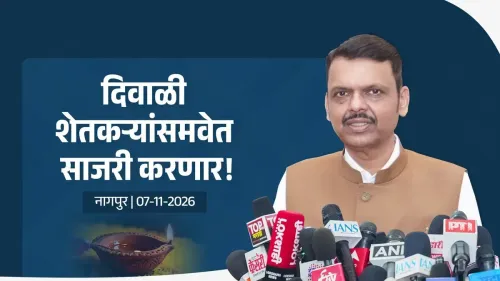
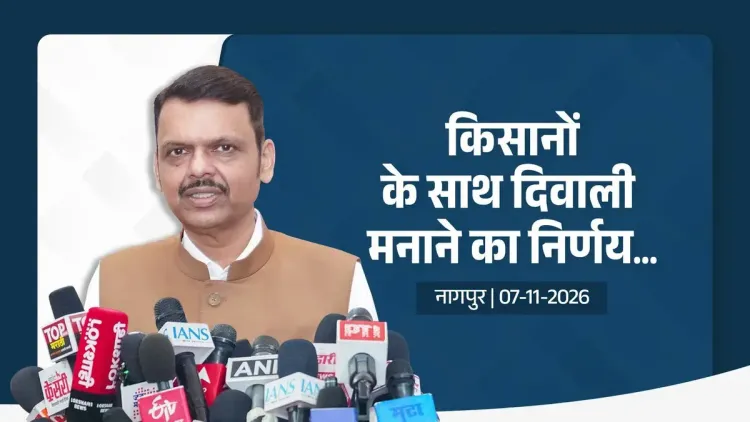
Maharashtra CM Devendra Fadnavis announced on November 7, 2026, that his entire cabinet will spend Diwali in drought-hit villages to engage with and boost the morale of farmers reeling under a severe drought, particularly in the Vidarbha region.
Key Takeaways
CM Devendra Fadnavis announced on November 7, 2026 that all Maharashtra ministers will spend Diwali in drought-affected villages rather than in cities.
The initiative is explicitly framed around boosting farmer morale through direct dialogue, not solely financial relief.
The announcement was made from Nagpur , the winter capital of Maharashtra and the gateway to the drought-prone Vidarbha region.
Vidarbha and Marathwada have historically faced recurring monsoon failures, agricultural distress, and farmer suicides.
Maharashtra has a prior policy precedent of combining financial relief with ground-level outreach, including the Jalyukta Shivar Abhiyan water conservation scheme launched in 2015 .
Observers will watch for concrete outcomes — crop insurance settlements, fund releases, or new relief measures — emerging from the ministerial village visits.
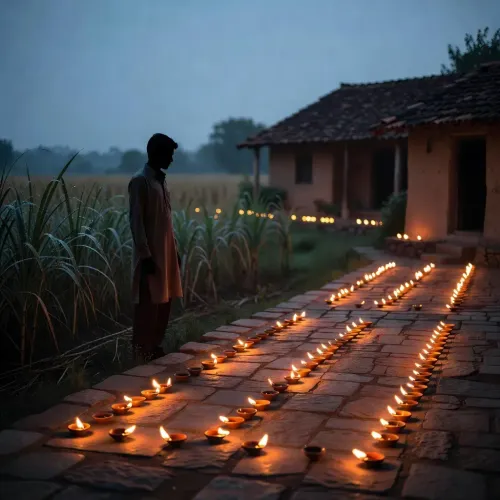
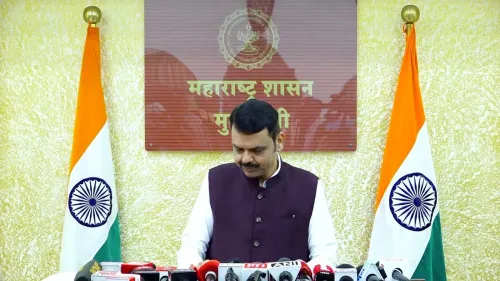
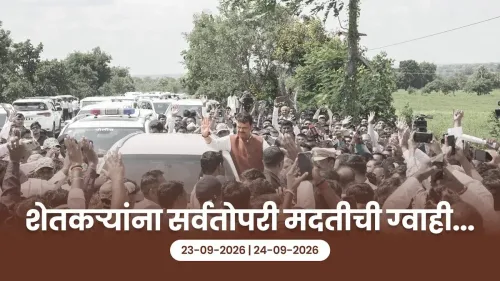
When a drought grips the land and Diwali approaches, the festival of lights can feel very far away for a farming family in Vidarbha. Maharashtra Chief Minister Devendra Fadnavis announced on Saturday, November 7, 2026, from Nagpur, that his entire cabinet has decided to forgo city celebrations and spend Diwali directly with drought-affected farmers in their villages — an act of solidarity aimed at lifting morale in one of the state's most distressed rural seasons.
Posting in Hindi, Fadnavis wrote: 'Maharashtra mein bheeshansukhey ke kaaran kisaanon par sankat hai' — 'Farmers in Maharashtra are in crisis due to a severe drought. At such a time, all of us ministers have collectively decided to celebrate Diwali this year by going to the villages and being among the farmers. We will try to engage in dialogue with them and, in a sense, boost their morale.'
Vidarbha's Recurring Wound — and Why This Diwali Is Different
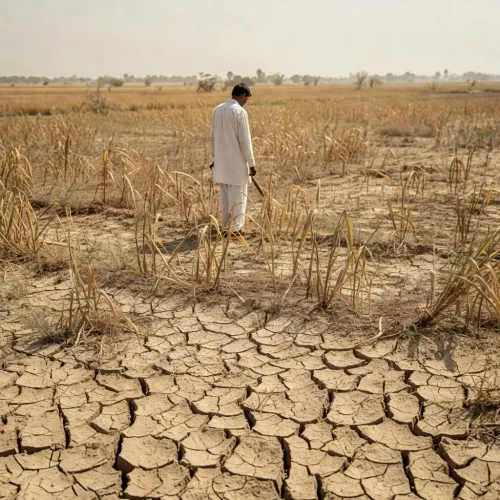
Nagpur, the winter capital of Maharashtra and the city from which the announcement was made, sits at the heart of the Vidarbha region — historically one of the most drought-prone and agrarian-distress-ridden belts in the country. Alongside Marathwada, Vidarbha has repeatedly borne the brunt of monsoon failures, with the resulting crop losses driving cycles of debt and, at their worst, farmer suicides that have drawn national attention for decades.
Successive state governments have responded to these crises with financial relief packages and outreach drives. What makes the current announcement distinctive is its scale: not one minister, but the entire cabinet dispersing into villages during the most prominent Hindu festival of the year — a deliberate inversion of the usual festive optics of official celebrations in state capitals.
The Morale Argument — Dialogue Over Dossiers
Fadnavis framed the initiative explicitly around manobal — morale. The language is pointed: this is not billed primarily as a relief announcement or a policy rollout, but as human contact. Direct conversations between ministers and farmers during a period of acute stress carry a different weight than a press conference or a government circular.
Maharashtra has a policy lineage of pairing financial measures with ground-level engagement during crises. The Jalyukta Shivar Abhiyan, launched in 2015 under Fadnavis's earlier tenure as Chief Minister, sought to drought-proof villages through water conservation works — a structural intervention that this kind of visit could complement if it surfaces unresolved implementation gaps or pending crop insurance claims on the ground.
What the Village Visits Could Unlock
The real test of the initiative will come in its aftermath. Observers and farmer groups will be watching closely for whether the ministerial visits translate into concrete announcements — fresh fund releases, expedited crop insurance settlements, or acceleration of water conservation works in the worst-hit districts. The conversations Fadnavis has promised could surface needs that bureaucratic channels have missed.
For now, the message from Nagpur is unambiguous: in a drought year, the government is choosing to be visible where the pain is sharpest — not in the capitals, but in the fields.
Whether that visibility becomes policy action will define whether this Diwali is remembered as a gesture or a turning point.
Point of View
Who built his first term partly on the Jalyukta Shivar Abhiyan's rural water-conservation brand, returning to villages during a drought year reinforces a 'hands-on CM' narrative ahead of any political cycle. The broader pattern — festive outreach layered over structural distress — is a familiar tool across Indian states, but its credibility hinges entirely on what policy action follows. If the visits remain symbolic without triggering expedited relief, they risk being read as optics rather than governance.
NationPress
7 Nov 2026
Frequently Asked Questions
Why is CM Fadnavis spending Diwali with farmers in villages?
CM Devendra Fadnavis announced that all Maharashtra ministers will celebrate Diwali in drought-affected villages to engage directly with farmers and boost their morale during a severe drought crisis, particularly in regions like Vidarbha.
Which regions of Maharashtra are worst affected by the drought?
The Vidarbha and Marathwada regions of Maharashtra are historically the most drought-prone areas, frequently suffering from monsoon failures that lead to crop losses and acute agricultural distress.
What is the Jalyukta Shivar Abhiyan and is it relevant to the drought?
The Jalyukta Shivar Abhiyan is a water conservation scheme launched in 2015 during Fadnavis's earlier tenure as Chief Minister, aimed at drought-proofing Maharashtra villages. It represents the kind of structural intervention that ministerial village visits could help review and accelerate.
Will ministers announce new relief packages during the Diwali village visits?
No specific relief packages have been announced yet. The initiative is framed around dialogue and morale-boosting, but observers expect the visits could lead to announcements on crop insurance settlements or fund releases for drought-hit districts.
Where did Devendra Fadnavis make this announcement?
The announcement was made from Nagpur on November 7, 2026. Nagpur is Maharashtra's winter capital and is located in the heart of the drought-prone Vidarbha region.