CM Fadnavis visits drought-hit Washim, meets farmers
Synopsis
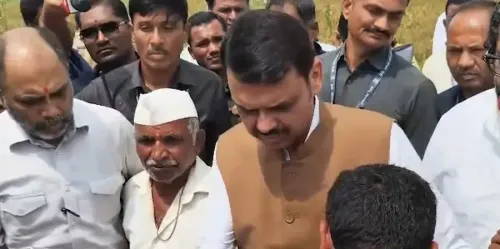
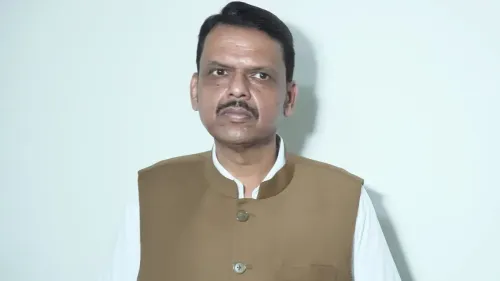
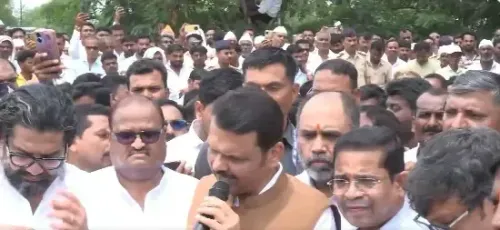
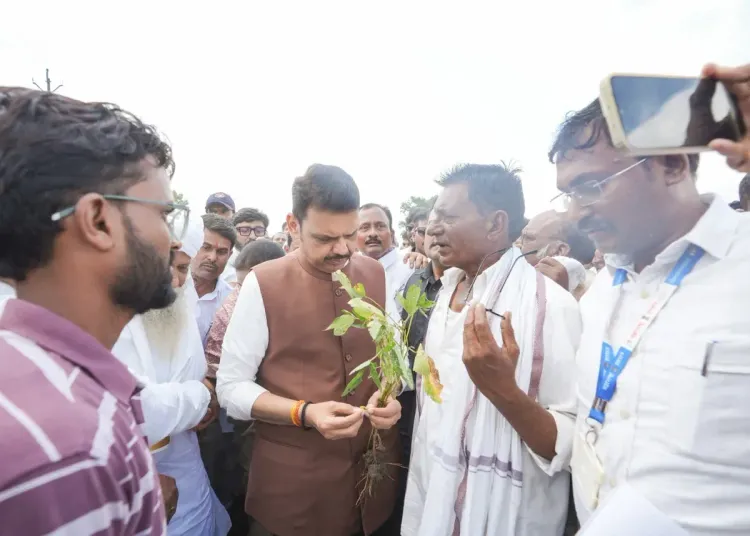
Chief Minister Devendra Fadnavis visited drought-hit Mhasla in Washim's Karanja taluka on 24 September 2026, meeting farmers and assessing crop damage alongside MP Sanjay Deshmukh and three local MLAs, signalling possible relief announcements ahead.
Key Takeaways
CM Devendra Fadnavis personally inspected drought-like conditions in Mhasla, Karanja taluka, Washim district on 24 September 2026 .
The CM interacted directly with affected farmers and gathered first-hand damage assessments.
MP Sanjay Deshmukh and MLAs Shyam Khode, Sai Dahake, and Rajesh Bakane accompanied Fadnavis alongside district officials.
Washim is in Maharashtra's Vidarbha region, chronically vulnerable to monsoon variability and crop losses.
A chief ministerial field visit in Maharashtra typically precedes formal drought declarations, crop-damage surveys, and compensation orders.
Maharashtra's Jalyukt Shivar Abhiyan , launched in 2015 , aimed to reduce drought vulnerability in rural areas but Vidarbha continues to face recurring distress.
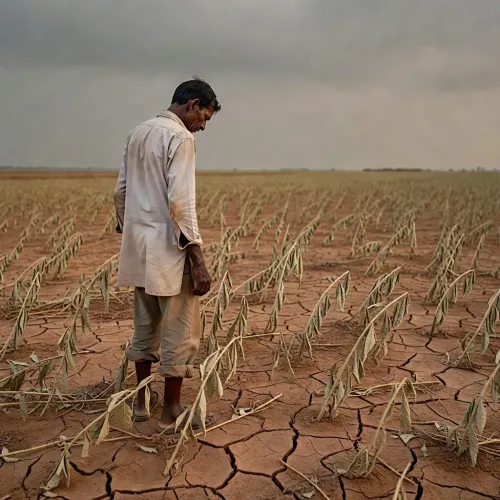
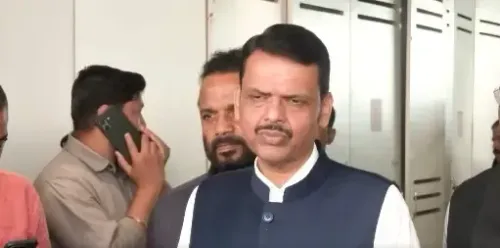
When a chief minister lands in a parched field to hear farmers describe their losses firsthand, it signals that the distress has moved beyond official files. Chief Minister Devendra Fadnavis visited Mhasla in Karanja taluka, Washim district, on Thursday, 24 September 2026, to personally inspect areas gripped by drought-like conditions — interacting directly with farmers and assessing the scale of crop damage.
What Fadnavis saw on the ground in Karanja taluka
The Chief Minister's Office confirmed that Fadnavis walked through the affected areas at 11:50 am, speaking with cultivators about the destruction to their standing crops. MP Sanjay Deshmukh, MLA Shyam Khode, MLA Sai Dahake, and MLA Rajesh Bakane accompanied him alongside district officials — a cross-section of elected representatives that underscores the political weight the state is attaching to this visit.
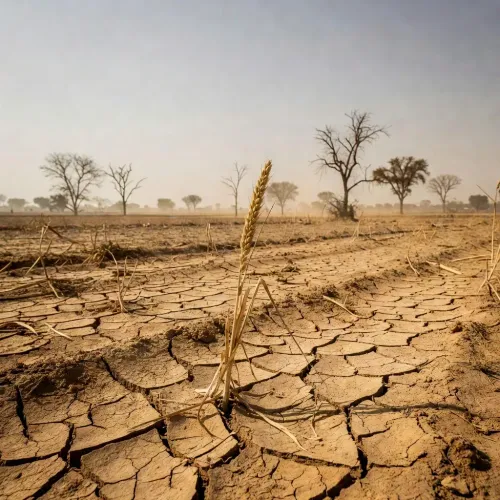
Washim sits in the Vidarbha region of eastern Maharashtra, a semi-arid belt where rain-fed agriculture is chronically exposed to monsoon swings. When the rains fail or arrive erratically, the damage to soybean, cotton and jowar crops can be swift and severe. This year's drought-like conditions follow a pattern the region knows all too well.
Vidarbha's long struggle with rainfall deficits
Maharashtra's Vidarbha and Marathwada belts have faced recurring drought or near-drought conditions across successive decades, making them the most agriculturally vulnerable zones in the state. In 2015, the state government launched the Jalyukt Shivar Abhiyan (water conservation mission) to de-silt rivers, build check dams, and cut drought vulnerability in rural Maharashtra. Despite those efforts, rainfall variability continues to push farmers in districts like Washim toward distress with troubling regularity.
Periodic field visits by state leadership — exactly what Fadnavis conducted today — are a standard trigger in Maharashtra's administrative playbook: they build pressure for formal area declarations, crop-loss panchanamas (official damage assessments), and compensation disbursements. The presence of both the sitting MP and three local MLAs at today's inspection suggests coordination between state and constituency-level machinery is already under way.
What follows a visit like this
A chief ministerial ground inspection in Maharashtra typically precedes one or more formal steps: an official drought or drought-like declaration for the affected taluka, activation of the National Disaster Relief Fund norms for crop-damage compensation, or orders for emergency water supply to livestock and households. Whether Karanja taluka receives a formal declaration — and how quickly — will determine how fast relief reaches the farmers Fadnavis spoke with this morning.
For the cultivators of Mhasla, the chief minister's boots on their land is the beginning, not the end, of what they need.
Point of View
Signalling responsiveness to agrarian distress in a region with significant voter weight. Vidarbha's chronic vulnerability has made it a recurring flashpoint for successive state governments, and the multi-legislator turnout today suggests the ruling dispensation is treating this episode as a priority. The real test will be the speed and scale of any compensation or relief package that follows — field visits without swift follow-through have historically drawn sharp criticism from farmer groups in the region.
NationPress
24 Sept 2026
Frequently Asked Questions
Why did CM Devendra Fadnavis visit Washim district?
CM Devendra Fadnavis visited Mhasla in Karanja taluka, Washim district, on 24 September 2026 to inspect areas affected by drought-like conditions, meet farmers, and assess crop damage.
Which officials accompanied Fadnavis during the Washim visit?
MP Sanjay Deshmukh, MLA Shyam Khode, MLA Sai Dahake, MLA Rajesh Bakane, and concerned district officials accompanied Chief Minister Fadnavis during the inspection.
Is Washim district prone to drought in Maharashtra?
Yes. Washim is in the Vidarbha region of eastern Maharashtra, a semi-arid belt heavily dependent on rain-fed agriculture, making it vulnerable to recurring drought or drought-like conditions due to monsoon variability.
What relief steps follow a CM drought inspection in Maharashtra?
A chief ministerial field inspection typically precedes formal drought declarations for affected talukas, official crop-damage assessments (panchanamas), and compensation disbursements under National Disaster Relief Fund norms.
What is Jalyukt Shivar Abhiyan and is it relevant to Washim?
Jalyukt Shivar Abhiyan is a water-conservation scheme launched by the Maharashtra government in 2015 to reduce drought vulnerability through river desilting and check-dam construction. It targeted districts like Washim in Vidarbha, though rainfall variability continues to cause periodic distress.