CM Fadnavis Vows Drought-Free Maharashtra for Next Generation
Synopsis
At the Republic Summit Mumbai on 29 September 2026, Maharashtra Chief Minister Devendra Fadnavis pledged that the next generation will not face drought and that Maharashtra will become a drought-free state, invoking the state's long history of water stress in Marathwada and Vidarbha.
Key Takeaways
Devendra Fadnavis pledged at the Republic Summit Mumbai on 29 September 2026 that Maharashtra will become a drought-free state.
The commitment targets the next generation, framing water security as a long-term structural goal rather than immediate relief.
Regions like Marathwada and Vidarbha have historically faced recurring droughts affecting agriculture and rural livelihoods.
During his first term in 2015 , Fadnavis launched the Jalyukt Shivar Abhiyan watershed programme as a village-level water conservation intervention.
Upcoming state assembly sessions and budget allocations for irrigation will be key indicators of how this pledge translates into policy.
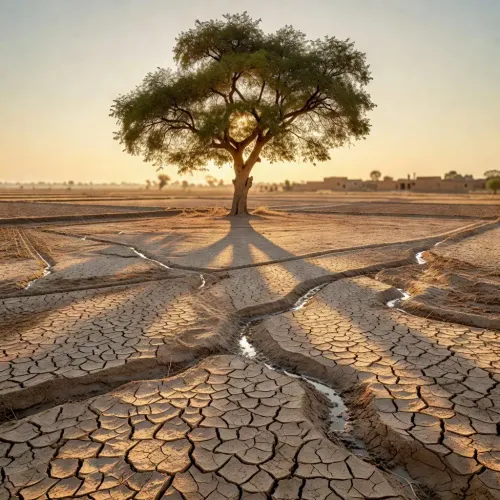
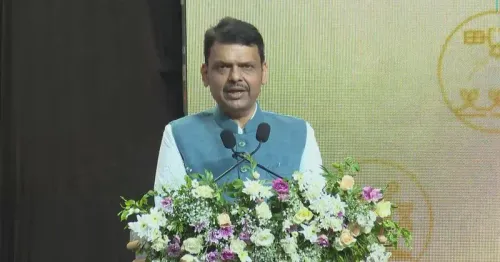
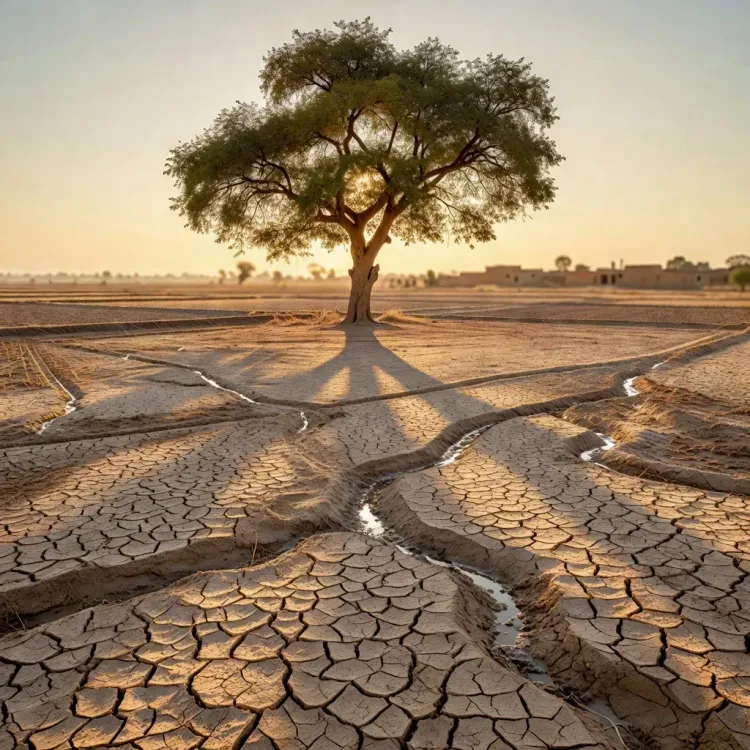
A promise that cuts to the bone of rural Maharashtra: Chief Minister Devendra Fadnavis declared at a fireside chat in Mumbai on 29 September 2026 that the next generation of Maharashtrians will never have to face drought — and that the state will be drought-free. Bold words in a state where entire districts have watched their soil crack season after season.
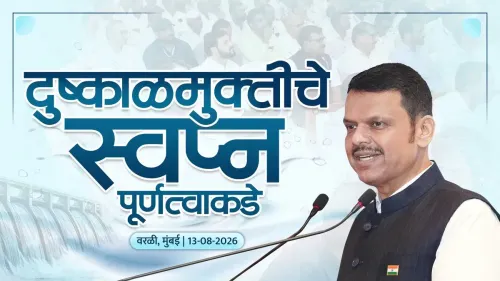
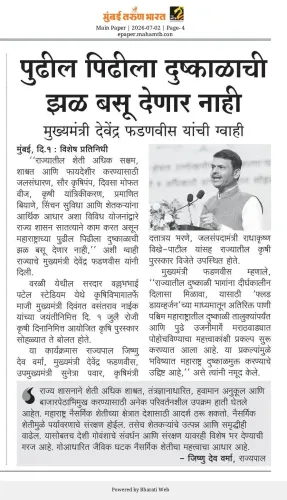
Speaking at the Republic Summit Mumbai, Fadnavis said — in both Marathi and English — 'पुढील पिढीला दुष्काळाचा सामना करावा लागणार नाही' ('the next generation will not face drought'). The bilingual framing was deliberate: a message aimed equally at the farmer in Marathwada and the policy audience in the room.
Marathwada, Vidarbha, and the Drought That Never Quite Leaves
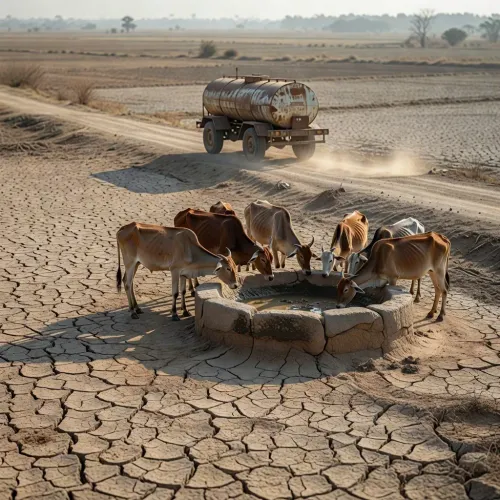
For Maharashtra, drought is not an occasional crisis — it is a recurring wound. Regions like Marathwada and Vidarbha have endured cycles of failed monsoons, depleted reservoirs, and distressed farm households across successive decades. Crop failures ripple into debt, migration, and in the worst years, farmer suicides. Any chief minister who promises to end this cycle is staking significant political capital on a very long game.
The state has tried before. In 2015, the Fadnavis government — during his first term — launched the Jalyukt Shivar Abhiyan, a village-level watershed programme designed to harvest rainwater, deepen nullahs, and build check dams across drought-prone talukas. The programme reached thousands of villages and was widely discussed as a structural intervention rather than emergency relief. Critics debated its on-ground impact; supporters pointed to improved groundwater levels in participating villages.
From Relief to Resilience: What a 'Drought-Free' Pledge Actually Requires
Declaring a state drought-free is a generational infrastructure commitment, not a monsoon-season fix. It demands sustained budget allocations for irrigation, river-linking, groundwater recharge, and micro-watershed works — year after year, regardless of which party holds power. Fadnavis's framing — 'the next generation' — implicitly acknowledges that the timeline stretches beyond any single term in office.
What to watch: how the state's coming assembly sessions translate this summit pledge into budget line items for irrigation and watershed schemes. Farmers across Marathwada and Vidarbha will be measuring the distance between a fireside promise and a field-level reality.
Maharashtra's next generation deserves dry fields only in the sense that they choose — not because the sky refused to cooperate. Whether Fadnavis's pledge becomes policy architecture or remains an aspirational headline is the question every rural household in the state is now quietly asking.
Point of View
Rooted in the Jalyukt Shivar Abhiyan legacy of his first term. By framing the goal as generational, he insulates the promise from short-term electoral accountability while signalling infrastructure ambition to rural constituencies in Marathwada and Vidarbha — regions critical to the BJP's Maharashtra coalition. The real test will be whether assembly budget sessions back the rhetoric with irrigation and watershed funding, or whether this remains a summit-stage aspiration. For a state where drought has historically driven agrarian distress and political volatility, the stakes of under-delivery are not merely administrative.
NationPress
30 Sept 2026
Frequently Asked Questions
What did CM Devendra Fadnavis say about drought at the Republic Summit?
Fadnavis declared at the Republic Summit Mumbai on 29 September 2026 that the next generation will not face drought and that Maharashtra will become a drought-free state.
Which regions of Maharashtra are most affected by drought?
Marathwada and Vidarbha are the regions most historically affected by recurring drought in Maharashtra, with significant impact on agriculture and rural households.
What is Jalyukt Shivar Abhiyan?
Jalyukt Shivar Abhiyan is a village-level watershed and water conservation programme launched by the Maharashtra government in 2015 during Fadnavis's first term as Chief Minister.
How can Maharashtra become drought-free?
Achieving a drought-free Maharashtra requires sustained investment in irrigation infrastructure, groundwater recharge, river-linking projects, and micro-watershed works across drought-prone districts.
What should we watch for after Fadnavis's drought-free pledge?
State budget allocations for irrigation and any updates to existing watershed schemes in upcoming Maharashtra assembly sessions will indicate whether the pledge translates into concrete policy action.