CM Rekha Gupta joins BJP-Nepal RSP meet under 'Know BJP' outreach
Synopsis
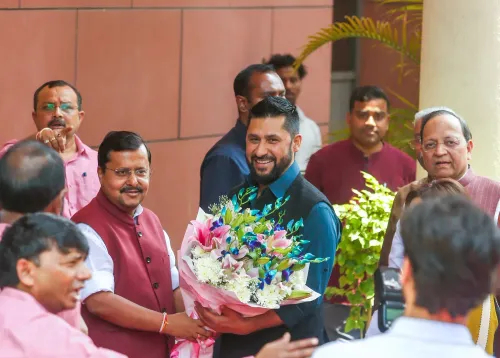
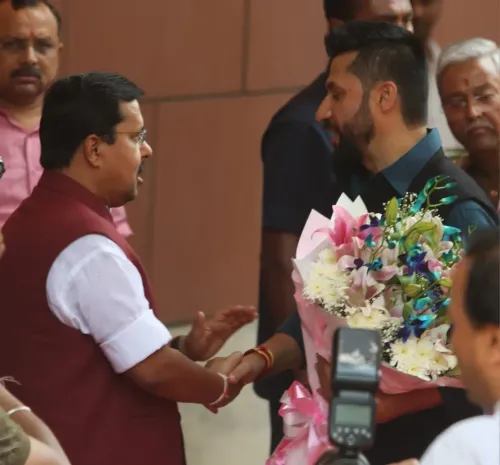
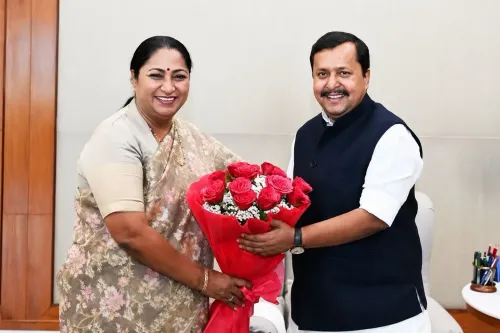
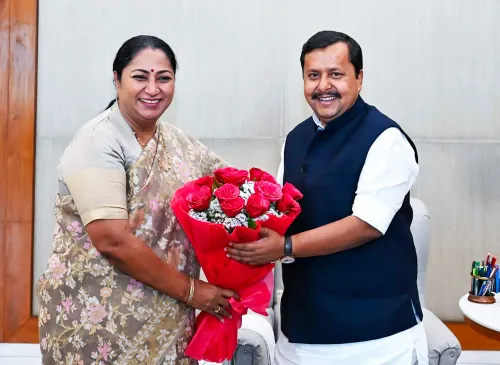
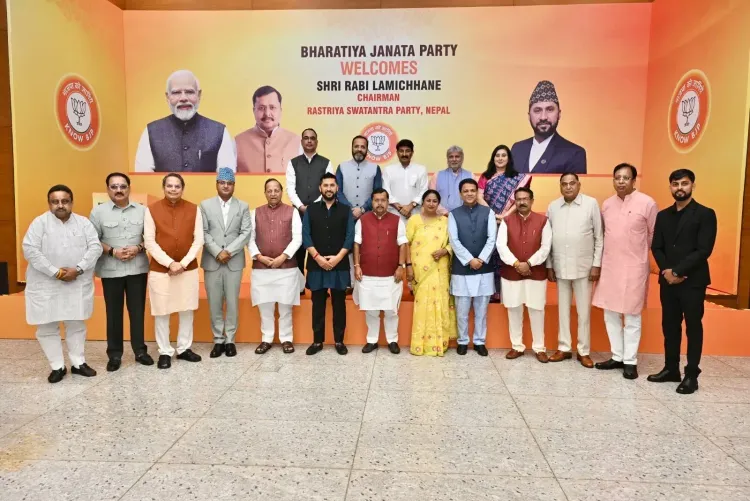
Delhi Chief Minister Rekha Gupta attended a BJP headquarters meeting where Nepal's Rastriya Swatantra Party chief Ravi Lamichhane and his delegation called on BJP national president Nitin Nabin under the 'Know BJP' outreach. Talks focused on booth-level organisation, PM Modi's governance model, and deepening India-Nepal ties.
Key Takeaways
Nepal's RSP president Ravi Lamichhane led a delegation to BJP headquarters under the 'Know BJP' programme.
The delegation met BJP national president Nitin Nabin, with Delhi CM Rekha Gupta and Delhi MPs in attendance.
Discussions covered BJP's booth-level organisational structure and PM Narendra Modi's governance model.
RSP, founded in 2022, is part of Nepal's ruling coalition in Kathmandu.
The meeting reflects India's 'Neighbourhood First' approach of pairing party-level engagement with formal diplomacy.
Delhi Chief Minister Rekha Gupta on Tuesday attended a high-level interaction at the Bharatiya Janata Party headquarters in New Delhi, where a visiting delegation of Nepal's Rastriya Swatantra Party (RSP), led by its president Ravi Lamichhane, called on senior BJP leadership as part of the party's 'Know BJP' outreach initiative. The meeting brought together Delhi's Members of Parliament and senior party functionaries for a structured exchange on organisational practice and governance.
In her post on X, Gupta said the RSP delegation met BJP national president Nitin Nabin, and that the discussion focused on 'strengthening mutual contacts between the two parties, the BJP's booth-level organisational machinery, and the good-governance model of Prime Minister Narendra Modi dedicated to development and public welfare.' She added that the ideological exchange would 'further deepen the traditional and friendly ties between India and Nepal.'
Context
The 'Know BJP' programme is the ruling party's structured engagement track for foreign political delegations, designed to walk visiting leaders through its cadre system, booth-level mobilisation, and governance template. Nepal's RSP, a relatively young political force, has been among the most closely watched entrants to Kathmandu's coalition politics since the 2022 general election.
For Gupta, who has been visible at BJP headquarters events alongside Delhi's parliamentary contingent, the appearance signals the role state-level leaders are playing in the party's foreign-party outreach calendar.
Policy backdrop
Ravi Lamichhane, a former journalist, founded the Rastriya Swatantra Party in 2022, positioning it as a centrist, anti-establishment alternative in Nepal. The party emerged as a significant bloc after the 2022 elections and subsequently joined the ruling coalition in Kathmandu, giving its leadership a direct stake in Nepal's executive decision-making.
India's 'Neighbourhood First' policy, articulated since 2014, has emphasised political and party-level engagement with Nepal alongside state-to-state diplomacy. Party-to-party dialogues of this kind run parallel to formal channels and often touch on shared concerns over regional stability and cross-border connectivity.
Stakeholders and impact
For the BJP, hosting the RSP president offers an opportunity to project its organisational depth — a recurring theme in its outreach to parties from neighbouring countries since the mid-2010s. The party has previously hosted delegations from across South Asia under similar formats.
For the RSP, the visit is an early signal of its intent to build independent equations with major Indian political formations, distinct from the longer-standing ties that Nepal's traditional parties — the Nepali Congress and the communist groupings — have maintained with New Delhi.
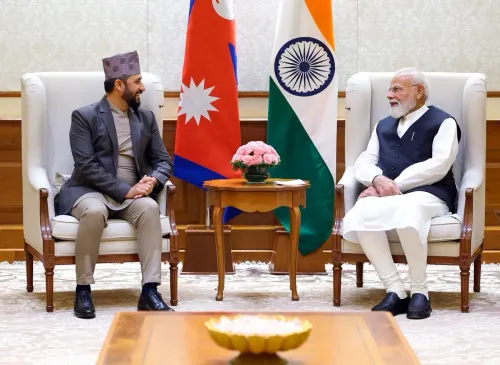
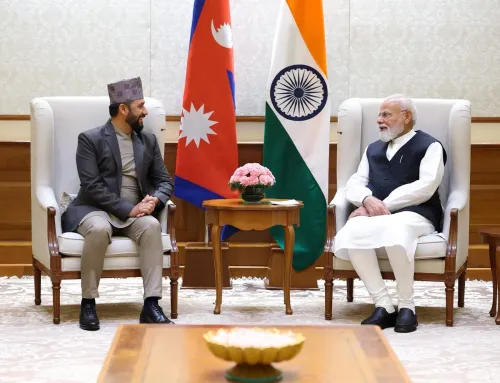
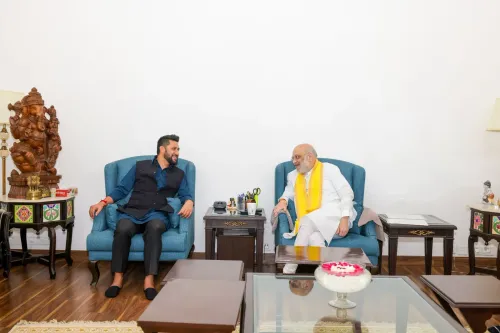
Gupta's presence, alongside Delhi's MPs, underlines the BJP's practice of folding state leadership into national-level diplomatic optics. The two images shared with her post show the delegation seated with BJP office-bearers at the party headquarters.
What's next
Party functionaries on both sides are expected to follow up with further exchanges, even as Kathmandu navigates its multi-alignment posture between New Delhi and Beijing. Analysts will be watching whether the 'Know BJP' track translates into more sustained programmatic ties — including study visits, training modules, or joint forums — over the coming months.
With official bilateral engagements between India and Nepal expected through 2026-27, party-level conversations of this kind are likely to shape the texture of the broader relationship, even if they remain a step removed from formal diplomacy.
Point of View
A young coalition partner in Kathmandu, signals New Delhi's interest in cultivating ties beyond Nepal's traditional power blocs. For Rekha Gupta, the appearance reinforces the BJP's pattern of weaving state leadership into national-level optics. The longer arc to watch is whether such party-level contact translates into durable institutional links amid Kathmandu's careful balancing between Delhi and Beijing.
NationPress
19 Sept 2026
Frequently Asked Questions
What is the 'Know BJP' initiative?
'Know BJP' is the BJP's structured outreach programme for foreign political delegations, walking visiting leaders through the party's cadre system, booth-level organisation, and governance practices.
Who is Ravi Lamichhane?
Ravi Lamichhane is the president of Nepal's Rastriya Swatantra Party (RSP), a centrist political party he founded in 2022 after a career in journalism.
What is Nepal's Rastriya Swatantra Party?
The Rastriya Swatantra Party is a Nepali centrist party that emerged as a significant force after the 2022 elections and joined the ruling coalition in Kathmandu.
Why did the RSP delegation visit BJP headquarters?
The delegation visited under the 'Know BJP' programme to learn about the BJP's booth-level organisational machinery and PM Narendra Modi's governance model, and to strengthen party-to-party contact.
How does this fit India-Nepal relations?
It complements India's 'Neighbourhood First' policy by adding a party-to-party channel alongside formal state diplomacy, helping deepen traditional India-Nepal ties.