CM Rekha Gupta Echoes Modi on New Global Markets for Indian Farmers
Synopsis
Delhi Chief Minister Rekha Gupta echoed PM Modi's Mann Ki Baat message on 25 October 2026, highlighting new global markets for Indian farmers — a claim backed by the 2018 Agricultural Export Policy and the India-UAE CEPA trade deal.
Key Takeaways
Delhi CM Rekha Gupta quoted PM Narendra Modi's Mann Ki Baat on 25 October 2026 , highlighting new global markets for Indian farmers.
India's Agricultural Export Policy (2018) set out to double farmer incomes by integrating Indian agriculture into global value chains.
The India-UAE CEPA (2022) included tariff concessions on Indian agricultural products, providing early commercial traction.
Ongoing FTA negotiations aim to extend market access for commodities including dairy, fresh fruits, and processed foods .
India's long-term strategy targets a higher share of agriculture in total exports while diversifying beyond traditional buyer nations.
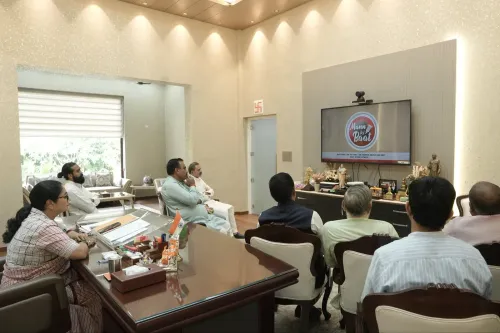
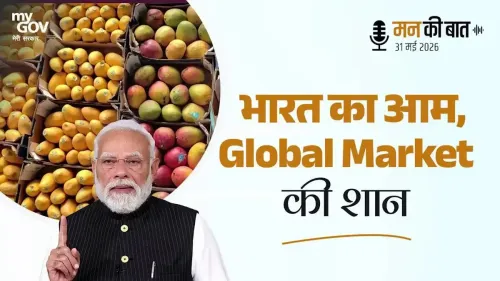
New global doors are opening for India's farmers — and Delhi Chief Minister Rekha Gupta wants the capital's residents to hear it straight from the Prime Minister. On Sunday, 25 October 2026, Gupta took to X to amplify a line from Prime Minister Narendra Modi's latest Mann Ki Baat address, quoting him directly: 'Bharat ke kisanon ke liye duniya mein naye bazaar khul rahe hain' — 'New markets are opening up across the world for India's farmers.'
What Modi Said on Mann Ki Baat — and Why It Matters
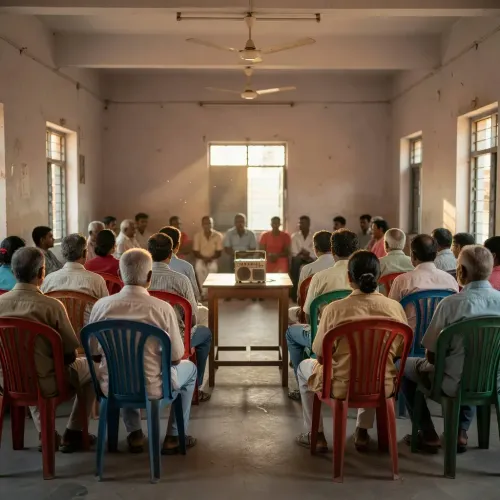
Mann Ki Baat, the Prime Minister's monthly radio address, has long served as a platform to spotlight grassroots agricultural success stories and policy wins to a mass audience. Modi's framing of new global market access for farmers is not incidental — it echoes the central promise of India's Agricultural Export Policy, launched in 2018, which set out to double farmer incomes by weaving Indian agriculture into global value chains.
The policy targeted a significant expansion of farm exports, reduced post-harvest wastage, and the promotion of GI-tagged and organic Indian produce in premium international markets. Nearly eight years on, that ambition is being tested against a shifting global trade landscape.
Trade Agreements Providing the Commercial Runway
The scaffolding for those new markets includes hard-negotiated trade deals. The India-UAE Comprehensive Economic Partnership Agreement (CEPA), signed in 2022, delivered tariff concessions on a range of Indian agricultural products — an early, tangible proof-of-concept for farm-sector trade diplomacy. Ongoing negotiations under additional free trade agreements are expected to extend similar benefits to commodities including dairy, fresh fruits, and processed foods.
India's broader strategy involves diversifying export destinations beyond traditional buyers, addressing production surpluses at home while raising the overall share of agriculture in total exports — a structural goal that successive governments have pursued across different political cycles.
Gupta's Signal: Delhi Aligning with the National Narrative
By amplifying the Prime Minister's words, Gupta positions the BJP-led Delhi government firmly within that national agricultural export story. Delhi, as India's commercial and administrative nerve centre, plays an outsized role in shaping agri-trade policy discussions — and the Chief Minister's post ensures the message reaches an urban constituency that may be several steps removed from the farm gate but deeply connected to it through supply chains and consumer prices.
Watch for upcoming Mann Ki Baat episodes to carry specific export performance data, and for new market-access protocols under live FTA negotiations to test whether the Prime Minister's optimism translates into measurable export growth for farmers on the ground.
Point of View
High-visibility alignment with the Centre's agricultural narrative — useful for a BJP state government keen to be seen as a partner in the Prime Minister's farmer-income agenda. The underlying policy machinery, from the 2018 Agricultural Export Policy to the UAE CEPA, does provide genuine structural backing for Modi's optimism. The real test, however, will be whether the FTAs under negotiation deliver measurable income gains at the farm level rather than headline export figures driven by a handful of large agri-processors. Successive governments have promised diversified global market access; delivery on that promise will define the political and economic legacy of this moment.
NationPress
25 Oct 2026
Frequently Asked Questions
What did PM Modi say about farmers in Mann Ki Baat?
PM Modi stated that new markets are opening up across the world for India's farmers — a message amplified by Delhi CM Rekha Gupta on 25 October 2026.
What is India's Agricultural Export Policy?
India's Agricultural Export Policy, launched in 2018, aims to double farmer incomes by expanding global market access, reducing post-harvest wastage, and linking Indian farmers to international value chains.
How does the India-UAE CEPA help Indian farmers?
The India-UAE Comprehensive Economic Partnership Agreement, signed in 2022, includes tariff concessions on several Indian agricultural products, making them more competitive in UAE markets.
What is Mann Ki Baat?
Mann Ki Baat is a monthly radio address by Prime Minister Narendra Modi that highlights national issues, including farmer welfare, agricultural exports, and government schemes.
Why did Delhi CM Rekha Gupta post about farmers and global markets?
Rekha Gupta shared PM Modi's quote to align the Delhi BJP government with the Centre's agricultural export narrative and amplify the message to her urban constituency.