Gujarat CM links Gita's teachings to service, youth nation-building
Synopsis
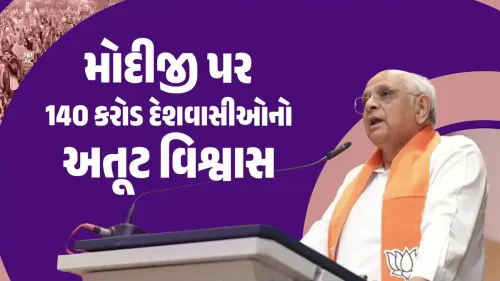
At a cultural-spiritual event on 25 October 2026, Gujarat's Chief Minister echoed PM Modi's 'Virasat Bhi, Vikas Bhi' vision, urging citizens to move devotion beyond ritual into human service and calling on youth to reject addiction and embrace nation-building guided by Bhagavad Gita principles.
Key Takeaways
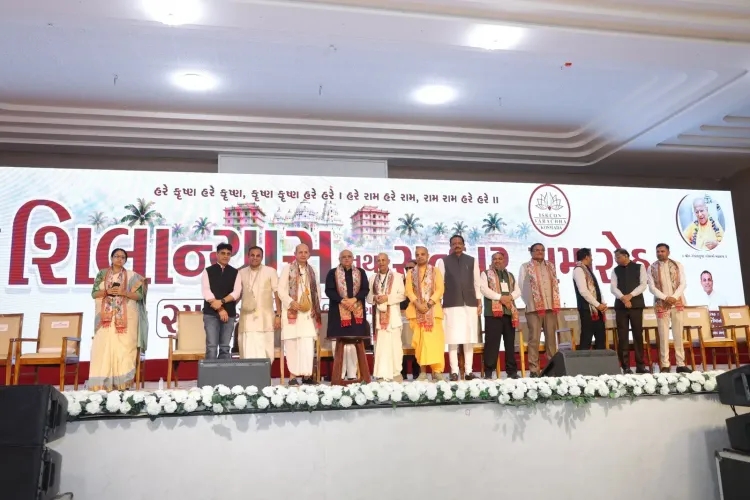
Gujarat CM addressed a spiritual-cultural gathering on 25 October 2026 , with remarks shared by the Chief Minister's Office of Gujarat on X.
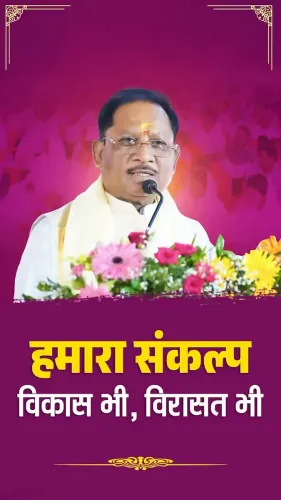
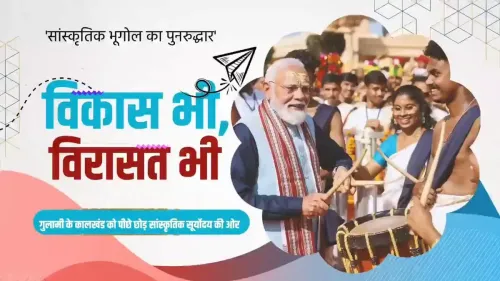
He invoked PM Narendra Modi 's 'Virasat Bhi, Vikas Bhi' vision, framing cultural preservation and development as inseparable goals.
The CM called on citizens to connect devotion with human service (manav seva) , not limit it to worship and prayer alone.
He specifically urged that youth energy be steered away from addiction and directed toward nation-building .
The Bhagavad Gita was cited as a foundational guide for civic action and social harmony, not just personal spirituality.
The speech aligns Gujarat's state messaging with the Centre's broader heritage-and-governance narrative, signalling possible follow-up youth or social-service schemes.
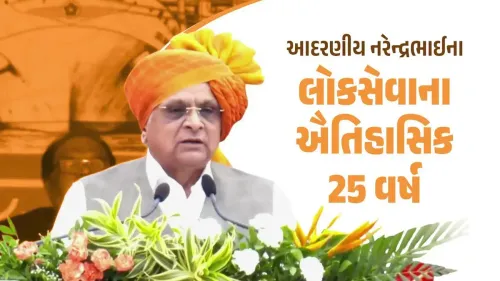
Devotion is not the destination — it is the starting point. The Chief Minister's Office of Gujarat shared remarks made by the Chief Minister at a cultural-spiritual gathering on Sunday, 25 October 2026, in which he called on citizens to extend bhakti beyond prayer and direct it toward human service and national progress.
The 'Virasat Bhi, Vikas Bhi' thread running through the speech
The Chief Minister anchored his address in Prime Minister Narendra Modi's signature vision — Virasat Bhi, Vikas Bhi (heritage as well as development) — a philosophy Modi has championed since 2014 to argue that economic progress and cultural preservation are not rivals but partners. 'It is a matter of good fortune for all of us,' the CM said, 'to get the opportunity to contribute to divine work and to become an instrument in it.' He added that such gatherings 'inspire divinity and goodwill in society.'
The framing is deliberate: by invoking the Bhagavad Gita not merely as scripture but as a guide to civic action, the CM placed Gujarat's cultural programming squarely within the Centre's broader heritage-governance narrative — ensuring that state messaging and central government priorities speak in one voice.
The call to youth: away from addiction, toward nation-building
The sharpest edge of the address was directed at Gujarat's young people. The Chief Minister urged that 'the energy of youth must be kept away from addictions and channelled toward the path of nation-building.' That single line does considerable work — it links a social-welfare concern (substance abuse among youth) to a spiritual framework (the Gita's emphasis on purposeful action) and to a governance goal (productive citizenship).
This is consistent with a pattern across Indian state governments: using value-based cultural events not just as ceremonial occasions but as platforms for messaging on public health, social cohesion, and civic duty. Gujarat, home to several large Vaishnav and Swaminarayan institutions with deep youth outreach infrastructure, is particularly well-positioned to translate such calls into ground-level programme.
Service over ritual — a broader reframing of devotion
Perhaps the most philosophically loaded appeal was the CM's call not to limit devotion to puja-path (worship and prayer) alone, but to connect it with manav seva — service to humanity. The idea echoes a well-worn line from Indian spiritual tradition, but its political utility is real: it gives government-backed social-service drives a sacred legitimacy that purely administrative appeals rarely achieve.
Watch for follow-up announcements from the Gujarat government on youth engagement schemes, anti-addiction campaigns, or community-service initiatives that draw explicitly on this Gita-anchored vocabulary — the speech has laid the rhetorical groundwork.
When bhakti meets service and service meets policy, the state does not merely govern — it inspires. Gujarat's CM has signalled clearly which direction he wants that inspiration to travel.
Point of View
The administration makes its social agenda harder to contest. Tethering the Bhagavad Gita to youth anti-addiction messaging is particularly astute: it mobilises existing religious infrastructure (temples, spiritual organisations, satsang networks) as delivery channels for public-health and civic goals. Over time, if follow-up programmes materialise, this rhetorical frame could give Gujarat's social-welfare schemes a cultural durability that purely administrative campaigns rarely achieve. The alignment with Modi's 'Virasat Bhi, Vikas Bhi' brand also ensures Gujarat positions itself as the model state for this hybrid heritage-development politics ahead of any future national audience.
NationPress
25 Oct 2026
Frequently Asked Questions
What is PM Modi's 'Virasat Bhi, Vikas Bhi' vision?
'Virasat Bhi, Vikas Bhi' — meaning 'heritage as well as development' — is a philosophy promoted by Prime Minister Narendra Modi since 2014, arguing that economic progress and preservation of India's cultural and spiritual heritage must go hand in hand rather than compete.
What did the Gujarat Chief Minister say about the Bhagavad Gita?
The Gujarat Chief Minister said it is a matter of good fortune to be able to contribute to divine work, and that the Bhagavad Gita's teachings should guide civic action and social harmony — not remain confined to personal worship.
What did the Gujarat CM say about youth and addiction?
The Chief Minister called for the energy of youth to be kept away from addictions and channelled toward nation-building, framing this as both a social and a spiritual responsibility rooted in Gita philosophy.
What is 'manav seva' and why did the CM mention it?
'Manav seva' means service to humanity. The CM urged that devotion should not stop at prayer and ritual but extend into serving fellow human beings — a principle he linked to the Bhagavad Gita's emphasis on selfless, purposeful action.
Will Gujarat launch any new scheme based on this speech?
No specific scheme has been announced yet. However, the speech lays rhetorical groundwork for possible Gujarat government programmes linking Gita-based values to youth engagement, anti-addiction campaigns, or community-service initiatives.