CM Rekha Gupta Chairs High-Level Meet on Delhi O-Zone Issues
Synopsis
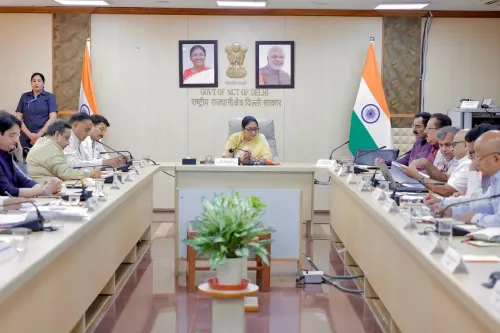
Delhi Chief Minister Rekha Gupta chaired a high-level meeting on 9 June 2026 at the Delhi Secretariat over O-Zone villages and colonies. She directed DDA to seek Delhi High Court approval to revise signage language in the zone, aiming to eliminate unnecessary anxiety among residents.
Key Takeaways
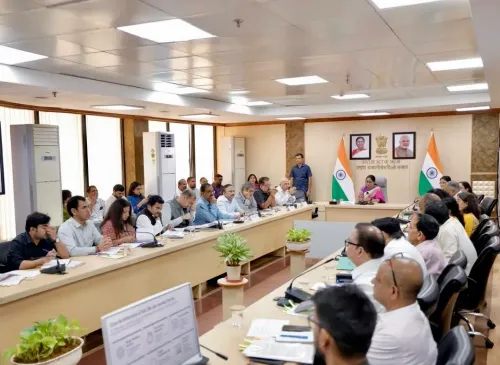
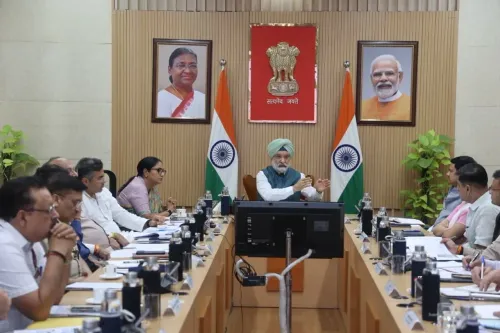
CM Rekha Gupta chaired a high-level meeting at the Delhi Secretariat on 9 June 2026 on O-Zone area issues.
The DDA was directed to comply with Delhi High Court orders and seek court recommendation to amend language on boards erected in the O-Zone .
The goal is to prevent unnecessary anxiety or confusion among residents of O-Zone villages and colonies.
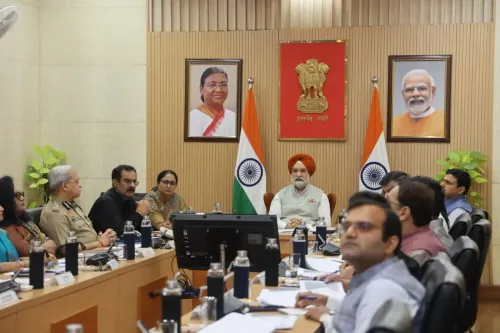
Attendees included MP Manoj Tiwari , MP Ramvir Singh Bidhuri , and MLA Arvinder Singh Lovely , chairperson of the Yamunapar Vikas Kshetra Board .
The meeting is part of the Viksit Delhi programme emphasising legal compliance and coordinated urban governance.
The Delhi Master Plan 2041 retains O-Zone provisions governing the Yamuna flood plain and adjacent settlements.
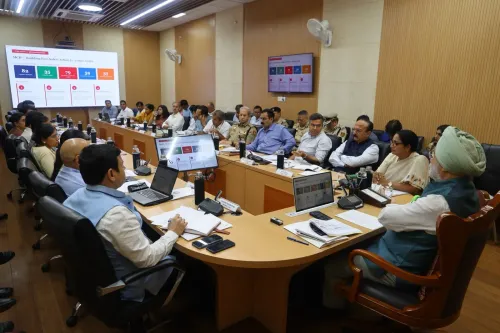
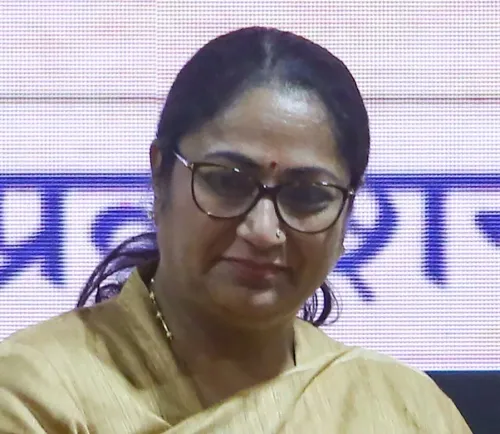
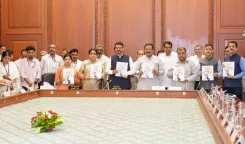
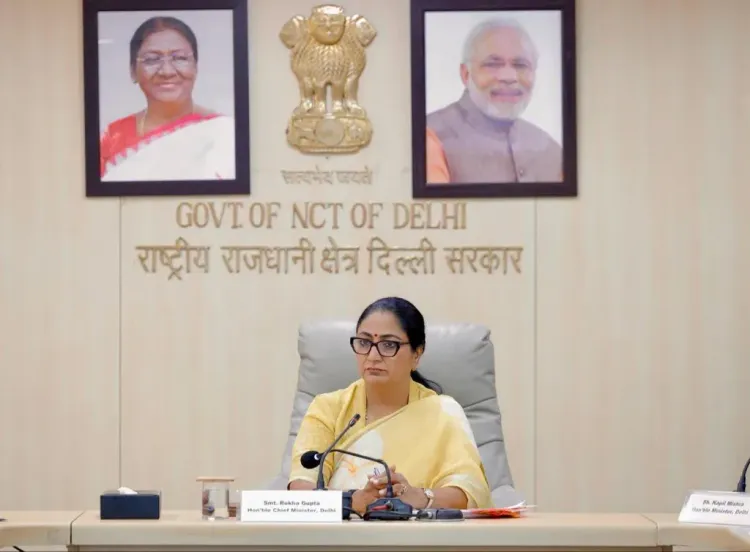
Delhi Chief Minister Rekha Gupta on Tuesday, 9 June 2026, chaired a high-level meeting at the Delhi Secretariat to address issues concerning villages and colonies in the city's O-Zone area, directing the Delhi Development Authority (DDA) to act in accordance with the Delhi High Court's directives and seek the court's recommendation to amend signage language in the zone.
Context
The Chief Minister convened the meeting to tackle longstanding concerns of residents living in O-Zone — the planning zone in Delhi's Master Plan covering parts of the Yamuna riverbed and adjacent villages subject to flood-plain regulations. Gupta directed the DDA to revise the language on boards erected in the area so that residents are not subjected to anawashyak chinta ya bhram (unnecessary anxiety or confusion). The instruction follows repeated concerns that official signage has been causing alarm among communities settled in the zone.
Policy Backdrop
The O-Zone provisions were retained under the Delhi Master Plan 2041, notified in 2022, which governs riverine ecology and regulated development along the Yamuna flood plain. The Delhi High Court has issued multiple directives since 2015 requiring the DDA to address encroachments, public notices, and resident communication in ecologically sensitive zones. The Tuesday meeting is consistent with the BJP-led Delhi government's stated Viksit Delhi programme, which emphasises legal compliance and coordinated action between elected representatives and civic agencies.
Stakeholders and Impact
The meeting was attended by MP Manoj Tiwari, MP Ramvir Singh Bidhuri, and MLA Arvinder Singh Lovely — who also serves as chairperson of the Yamunapar Vikas Kshetra Board — along with officers from relevant departments. Residents of O-Zone villages and colonies stand to benefit directly if the DDA revises board language in a manner approved by the High Court, reducing uncertainty over their land and housing status. The Yamunapar Vikas Kshetra Board's involvement signals a focus on the trans-Yamuna belt, one of Delhi's most densely populated informal-settlement corridors.
What's Next
The immediate next step is the DDA's submission of proposed revised signage language to the Delhi High Court for its recommendation, after which the boards in the O-Zone area are expected to be updated. Any subsequent court orders on O-Zone regularisation or rehabilitation timelines will determine the longer-term trajectory for affected residents. If the High Court endorses the revised language, it could set a precedent for how civic agencies communicate land-use restrictions in other ecologically sensitive zones across the capital.
Point of View
Multi-stakeholder forums to demonstrate responsiveness to judicial directives on sensitive urban land issues. By directing DDA to seek court endorsement before changing signage — rather than acting unilaterally — the administration is building a compliance record that could be useful in ongoing and future High Court proceedings. The inclusion of trans-Yamuna legislators and the Yamunapar Vikas Kshetra Board signals a deliberate political outreach to east Delhi constituencies where O-Zone uncertainty has long been an electoral grievance. This positions the Viksit Delhi agenda as both a governance and a voter-reassurance exercise ahead of any future electoral cycle.
NationPress
26 Oct 2026
Frequently Asked Questions
What is the O-Zone area in Delhi?
The O-Zone is a planning zone defined in Delhi's Master Plan covering parts of the Yamuna riverbed and adjacent villages, subject to flood-plain regulations and periodic court scrutiny to protect riverine ecology.
Why did CM Rekha Gupta hold a meeting on O-Zone?
CM Rekha Gupta convened the meeting to address concerns of residents in O-Zone villages and colonies, directing DDA to revise the language on official signage in the area so as not to cause unnecessary anxiety or confusion.
What has the Delhi High Court said about the O-Zone?
The Delhi High Court has issued multiple directives since 2015 requiring DDA to address encroachments, public notices, and resident communication in ecologically sensitive zones, including the Yamuna flood plain.
Who attended the Delhi Secretariat meeting on O-Zone on 9 June 2026?
The meeting was attended by MP Manoj Tiwari, MP Ramvir Singh Bidhuri, MLA and Yamunapar Vikas Kshetra Board chairperson Arvinder Singh Lovely, and officers from relevant departments.
What is the Viksit Delhi programme?
Viksit Delhi is a BJP-led Delhi government programme emphasising planned urban development, legal compliance, and coordinated action between elected representatives and civic agencies across the capital.