CM Rekha Gupta shares Modi's quote on India's pharma might
Synopsis
Delhi CM Rekha Gupta amplified PM Modi's statement that one in five global generic medicines originates in India, framing the country's pharmaceutical strength as both an economic achievement and a commitment to inclusive global progress.
Key Takeaways
Delhi CM Rekha Gupta shared a quote from PM Narendra Modi on October 13, 2026 highlighting India's pharmaceutical role.
The quote states that one in every five generic medicines supplied globally comes from India.
India's generic drug dominance is rooted in policy shifts dating to the 1991 liberalisation and the 2005 Patents Act amendments .
India exports affordable medicines to developing nations across Africa , Asia , and beyond, supporting both commerce and health diplomacy.
The message aligns BJP's state and central leadership around India's 'pharmacy of the world' brand ahead of upcoming trade negotiations.
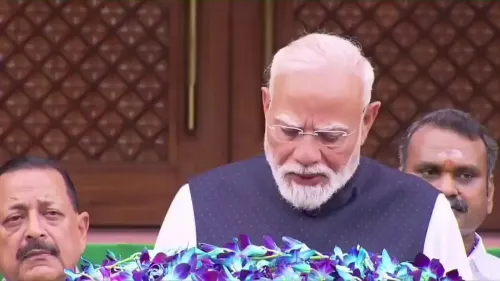
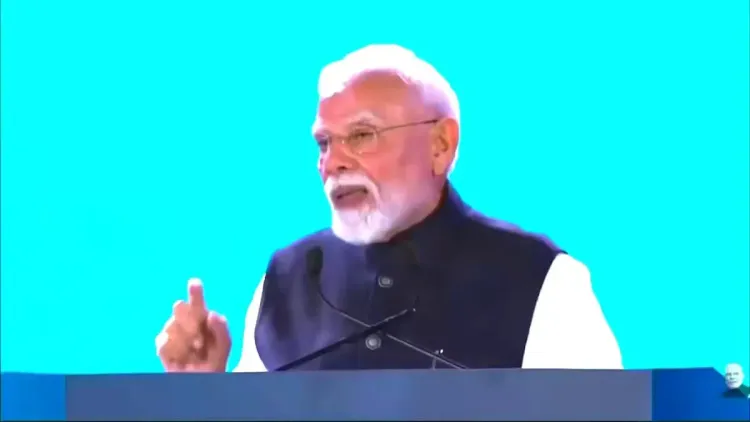
India supplies one in every five generic medicines the world needs — and Delhi Chief Minister Rekha Gupta made sure that number echoed across her platform on Tuesday, October 13, 2026, sharing a striking quote from Prime Minister Narendra Modi that frames India's pharmaceutical dominance not just as commerce, but as a civilisational calling.
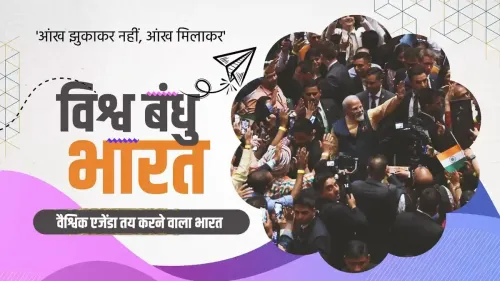
The quote, attributed to the Prime Minister, reads: 'भारत की प्रगति सबके साथ मिलकर, सबको साथ लेकर आगे बढ़ने की कहानी है।' — 'India's progress is the story of moving forward together, taking everyone along.' Its concrete anchor: when the world reaches for affordable medicine, one in five generic pills traces its origin to an Indian factory.
The 'pharmacy of the world' and how India earned the title
The claim is not mere rhetoric. India's emergence as the global hub for low-cost generics is rooted in decades of deliberate policy — from the 1991 economic liberalisation that opened export corridors, to the 2005 Patents Act amendments that aligned Indian law with international trade norms while fiercely protecting the country's ability to manufacture affordable copies of patented molecules. The result: a pharmaceutical industry that serves patients from sub-Saharan Africa to Southeast Asia at a fraction of what branded drugs would cost.
Successive governments have deepened the sector through manufacturing incentives, export promotion schemes, and health diplomacy with developing nations. The framing — 'taking everyone along' — echoes the Sabka Saath, Sabka Vikas philosophy that has anchored BJP's development messaging, now exported into the language of global public health.
Why Delhi's CM is amplifying a health-diplomacy message
Chief Minister Gupta's decision to share the quote signals alignment between the BJP's state and central leadership on a narrative that is both domestically popular and internationally significant. India's pharma export story resonates with voters who see it as proof that a developing economy can punch far above its weight — not through military or financial power, but through the quiet, life-saving reach of an affordable pill.
The broader pattern is clear: India's political establishment, across administrations, has consistently invested in the 'pharmacy of the world' brand because it simultaneously serves commercial interests, soft-power ambitions, and genuine public health outcomes for billions of people who cannot afford Western drug prices.
The next hard test of that brand will come when pharmaceutical export data for 2026 lands — and when the country's next round of trade negotiations puts medicine pricing back on the table. For now, the message from both New Delhi's national and state leadership is unified: India's progress is inseparable from the world's health.
Point of View
Trade diplomacy, and electoral messaging. India's 'pharmacy of the world' identity has been built over three decades of deliberate policy, making it one of the few non-partisan success stories that governments across the spectrum have claimed credit for. By framing generic medicine exports as 'taking everyone along,' the BJP is consciously linking a hard commercial achievement to a moral vocabulary of inclusive development. Watch this space as pharmaceutical export volumes and new trade pacts will either vindicate or complicate that framing through 2026 and into 2027.
NationPress
13 Oct 2026
Frequently Asked Questions
Why is India called the pharmacy of the world?
India manufactures a large share of the world's generic medicines at low cost, making it the leading supplier of affordable drugs to developing and developed nations alike. Policy decisions since the 1990s built this capacity deliberately.
What did PM Modi say about India's generic medicines?
PM Modi stated that when the world needs affordable medicine, one in every five generic medicines comes from India, framing it as part of India's broader story of inclusive progress.
Why did Delhi CM Rekha Gupta share this quote?
CM Gupta shared the quote to align Delhi's BJP leadership with the central government's narrative on India's pharmaceutical strength and its contribution to global health.
How did India become a major generic drug exporter?
India's rise as a generic drug powerhouse stems from the 1991 economic liberalisation, the 2005 Patents Act amendments, and sustained government incentives for pharmaceutical manufacturing and exports.
Which countries benefit from India's generic medicine exports?
Developing nations across sub-Saharan Africa, Southeast Asia, and other regions rely heavily on Indian generic drugs for affordable treatment of diseases including HIV, tuberculosis, and malaria.