CM Rekha Gupta pays tribute to 26/11 Mumbai victims
Synopsis
Delhi Chief Minister Rekha Gupta paid homage to civilians and security personnel killed in the 26/11 Mumbai terror attacks, saying their courage would live in national memory and that India remains resolved to eradicate terrorism under a zero-tolerance policy.
Key Takeaways
Delhi Chief Minister Rekha Gupta posted a 26/11 tribute on X honouring civilian victims and security personnel.
She said their courage, valour and sacrifice would remain alive in the nation’s memory.
The 26/11 attacks, from 26 to 29 November 2008, killed 166 people across multiple Mumbai sites.
Gupta restated India’s Zero Tolerance policy and a resolve to eradicate terror in every form.
The National Investigation Agency was set up in December 2008 after the attacks to probe terror offences.
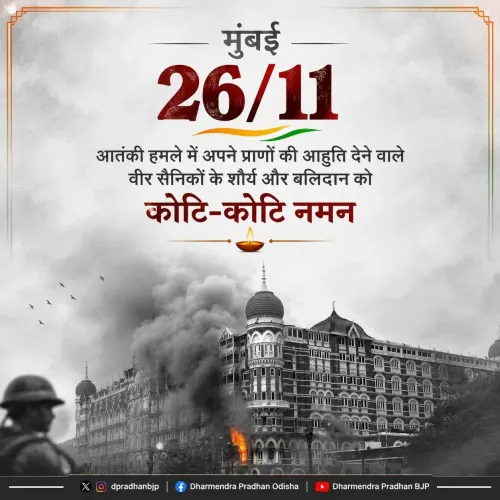
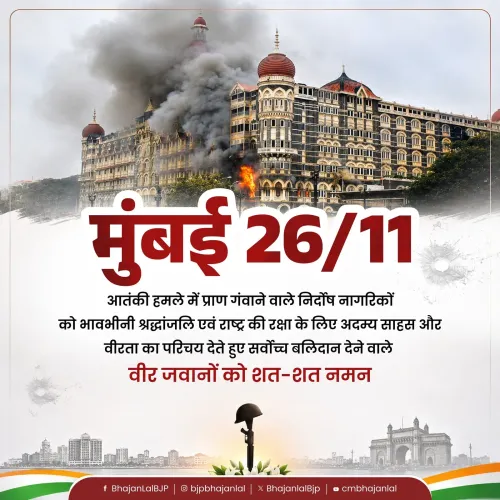
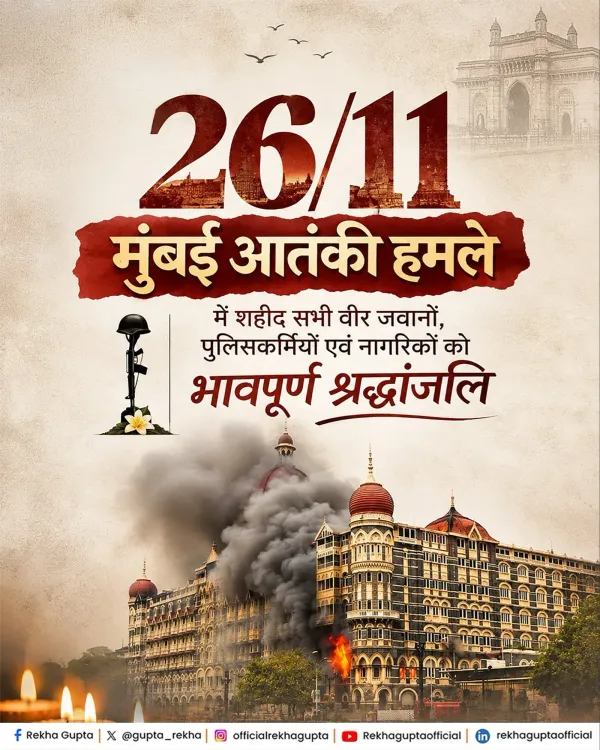
On the anniversary of the siege that froze a megacity, Delhi Chief Minister Rekha Gupta paid homage to the civilians killed in the 26/11 Mumbai terror attacks and to the security personnel who fell stopping the assault. Writing on X on 26 November, she bound that remembrance to a national line: India, she said, remains resolved to eradicate terror in every form under a policy of zero tolerance.
In Hindi, Gupta offered a bhavpoorn shraddhanjali (heartfelt tribute) to all innocent civilians who lost their lives and shat-shat naman (repeated salutations) to the brave personnel who made the supreme sacrifice in the country’s defence. Their indomitable courage, valour and sacrifice, she wrote, would always remain alive in the nation’s memory. With a Zero Tolerance policy against terrorism, she added, India is firmly determined to destroy terror in every shape. The post was tagged #MumbaiAttacks.
The four nights that tore through Mumbai
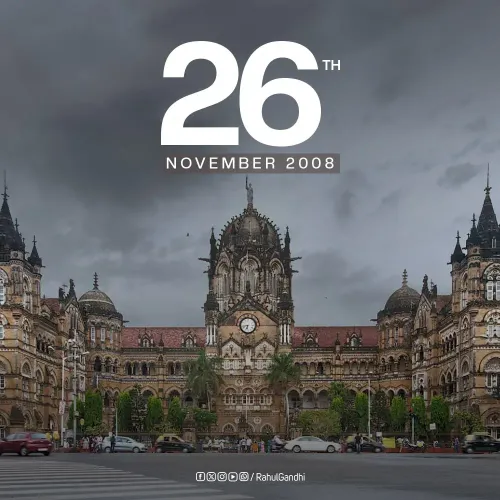
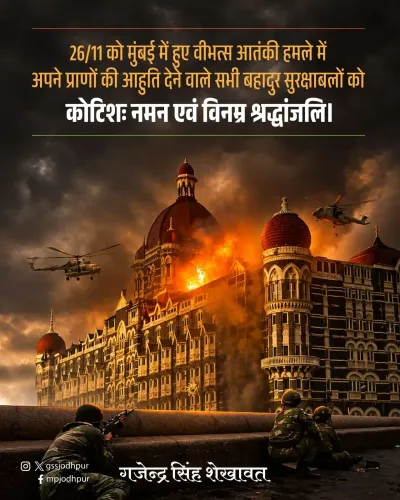
The coordinated assaults began on the night of 26 November 2008 and ran until 29 November. Militants of Lashkar-e-Taiba struck across the city — among the sites were Chhatrapati Shivaji Terminus, the Taj Mahal Palace and Oberoi Trident hotels, Cafe Leopold, and the Nariman House Jewish centre. 166 people were killed. The dead included Indian civilians, foreign nationals, and force personnel who fought a siege that held Mumbai for nearly three days.
The agency and the doctrine 26/11 forced into law
In December 2008, the Union government established the National Investigation Agency to investigate and prosecute terror offences that cut across state lines. Coastal security, intelligence coordination, and a tighter legal frame for terror trials became the institutional reply to gaps exposed that November. Official statements and parliamentary records have since repeated a single posture: zero tolerance. Gupta’s phrasing sits inside that lineage, not outside it.
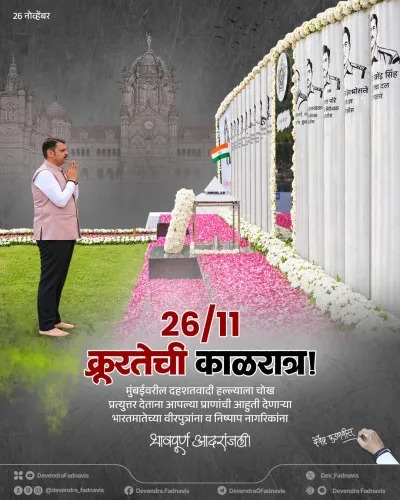
Each 26 November, memorials in Mumbai and other capitals honour victims’ families and the units that responded. The annual rite is civic as much as political: wreaths, silence, and a restatement of the state’s counter-terror line.
Zero tolerance, restated on the anniversary
By pairing homage to the dead with a vow of zero tolerance, the Delhi chief minister folded a local commemoration into a doctrine Indian governments have articulated since 2008. The people still closest to this date are the families who lost relatives, and the forces who still watch coasts, cities and borders.
Mumbai will again fill with flowers and a minute of stillness. The political class returns, year after year, to those two words because the city that was attacked has never treated 26/11 as a closed file.
Point of View
Praise for the forces, and a restatement of zero tolerance. That pairing has been the official grammar of Indian counter-terror politics since the NIA was created in December 2008. The anniversary is less a policy announcement than a reminder that coastal security, intelligence sharing and terror law remain the unfinished answer to 2008. Watch whether the day’s memorials are joined by any fresh operational or diplomatic claim, or stay in the register of remembrance.
NationPress
26 Nov 2026
Frequently Asked Questions
What did Rekha Gupta say on the 26/11 anniversary?
Delhi Chief Minister Rekha Gupta paid a heartfelt tribute to civilians killed in the 26/11 Mumbai attacks and saluted security personnel who made the supreme sacrifice. She said their courage would remain in the nation’s memory and that India is determined to eradicate terrorism under a zero-tolerance policy.
How many people were killed in the 26/11 Mumbai attacks?
The coordinated attacks in Mumbai from 26 to 29 November 2008 killed 166 people, including Indian civilians, foreign nationals and security force personnel.
When did the 26/11 Mumbai terror attacks take place?
The attacks began on the night of 26 November 2008 and continued until 29 November 2008 at multiple sites across Mumbai.
Why was the National Investigation Agency set up?
The National Investigation Agency was established by the Indian government in December 2008 after the Mumbai attacks to investigate and prosecute terror-related offences.
What is India’s zero tolerance policy on terrorism?
After 2008, Indian governments have repeatedly stated a zero-tolerance approach to terrorism in official statements and Parliament, coupled with steps such as the NIA, coastal security upgrades and tighter intelligence coordination.