CM Rekha Gupta Reviews Sakhi One Stop Centre at Lok Nayak Hospital
Synopsis
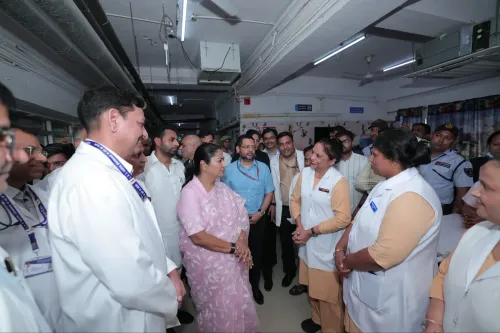
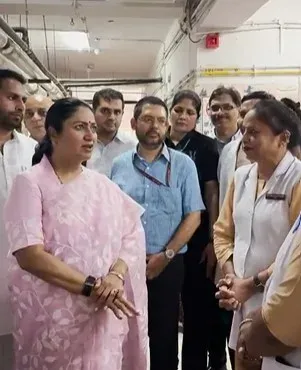
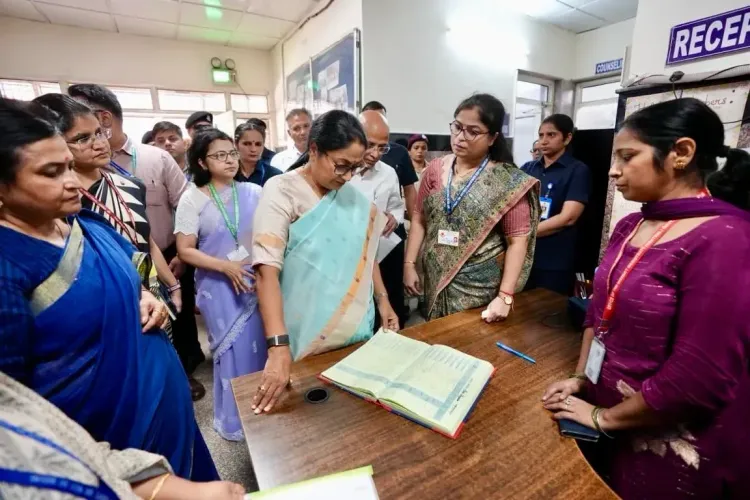
Delhi Chief Minister Rekha Gupta personally inspected the Sakhi One Stop Centre at Lok Nayak Hospital on October 5, 2026, directing officials to ensure immediate action, dignified treatment, and no delays for women and girls seeking help after violence.
Key Takeaways
Delhi CM Rekha Gupta inspected the Sakhi One Stop Centre at Lok Nayak Hospital on October 5, 2026 .
She reviewed the centre's facilities, services, and grievance redressal mechanism in person.
Officials were directed to take immediate action on every complaint, treat survivors with sensitivity and dignity, and avoid unnecessary delays.
The centre provides police assistance, medical care, social and legal counselling, and temporary shelter — all under one roof — to women and girls affected by violence.
The post was tagged #ViksitDelhi , linking the inspection to the Delhi government's broader development agenda.
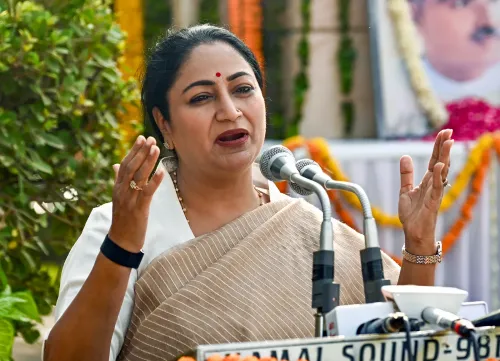
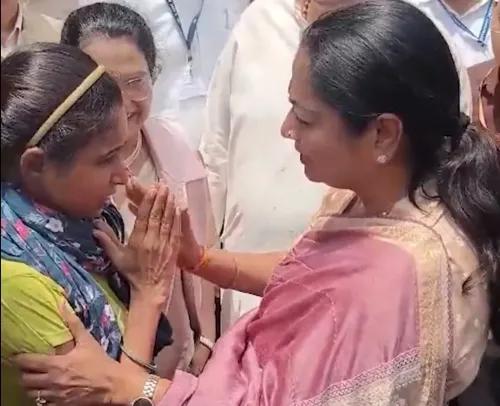
A woman walks into a hospital in crisis — and finds police support, medical care, legal counsel, and shelter, all under one roof. On Monday, October 5, 2026, Delhi Chief Minister Rekha Gupta personally inspected the Sakhi One Stop Centre at Lok Nayak Hospital in New Delhi, reviewing its facilities, services, and grievance redressal systems — and issued sharp, specific directives to officials on the spot.
What Gupta Found — and What She Ordered
The Chief Minister's inspection was not ceremonial. Posting in Hindi, Gupta wrote that she had reviewed the centre's 'facilities, services, and grievance redressal mechanism' and issued 'clear instructions' to officials: every complaint by a distressed woman seeking help must receive tatkal karravahi — immediate action. Officials were told that survivors must be treated with sensitivity and dignity, and that 'unnecessary delays in resolution will not be tolerated.'
The directives signal a focus not just on whether the centre exists, but whether it functions — a distinction that matters enormously in frontline welfare delivery, where infrastructure often outpaces actual service quality.
One Roof, Four Lifelines: What the Sakhi Centre Offers
The Sakhi One Stop Centre model is a central government initiative, implemented across states, designed to serve women and girls affected by violence. At Lok Nayak Hospital, survivors can access police assistance, medical care, social and legal counselling, and temporary shelter — all at a single location, without being shuttled across departments or agencies.
The single-window design addresses one of the most documented failures in violence response systems: that survivors, already in trauma, are forced to navigate fragmented bureaucracies. Gupta's post specifically named women and girls — mahilaon aur bachchiyon — as the centre's beneficiaries, underlining the centre's mandate to serve minors alongside adult women.
Delhi Government's Pledge to Survivors
Closing her post with a direct message to the capital's women, Gupta wrote: 'In times of crisis, the government stands with every daughter of Delhi with full sensitivity and strength.' The post was tagged #ViksitDelhi — the Delhi government's development branding — anchoring the welfare visit within a broader governance narrative.
The inspection comes at a moment when women's safety infrastructure in the capital is under sustained public scrutiny. By conducting an on-site review rather than relying on administrative reports, Gupta frames the visit as accountability in action — a Chief Minister checking not just that the system exists, but that it actually works for the women who need it most.
Point of View
A governing style that signals awareness of the gap between scheme design and ground reality. By issuing specific directives publicly, Gupta also creates a visible benchmark against which official performance can later be measured. The #ViksitDelhi tag ties welfare delivery directly to the government's development brand, weaving safety infrastructure into the same narrative as physical and economic growth.
NationPress
5 Oct 2026
Frequently Asked Questions
What is the Sakhi One Stop Centre at Lok Nayak Hospital?
The Sakhi One Stop Centre at Lok Nayak Hospital in Delhi is a facility where women and girls affected by violence can access police assistance, medical care, social and legal counselling, and temporary shelter — all at a single location.
Why did Delhi CM Rekha Gupta visit Lok Nayak Hospital on October 5, 2026?
CM Rekha Gupta visited to personally inspect the Sakhi One Stop Centre, review its facilities and grievance redressal system, and issue direct instructions to officials on improving service delivery for survivors of violence.
What instructions did Rekha Gupta give to officials at the Sakhi Centre?
She directed officials to take immediate action on every complaint, treat all women seeking help with sensitivity and dignity, and ensure there are no unnecessary delays in providing resolution.
What is the Sakhi One Stop Centre scheme in India?
Sakhi One Stop Centres are a central government initiative implemented across Indian states to provide integrated support — medical, legal, police, and shelter — to women and girls facing violence, all under one roof.
What is #ViksitDelhi?
#ViksitDelhi is the Delhi government's development branding hashtag, used to associate governance milestones — including welfare and infrastructure initiatives — with the administration's vision of a developed Delhi.