CM Hemant Soren Directs Push for Tree-Planting Scheme, Eco-Tourism in Jharkhand
Synopsis
Chief Minister Hemant Soren has directed Jharkhand officials to promote the 'Plant a Tree, Get Five Free Electricity Units' scheme, advance cashew and bamboo cultivation, clear pending van patta cases, and coordinate with VisitJharkhand to accelerate eco-tourism across the state's forest zones.
Key Takeaways
CM Hemant Soren has issued four distinct directives covering afforestation incentives, commercial forest cultivation, forest land rights, and eco-tourism.
The 'Ek Ped Lagaye, Panch Unit Mufat Bijli Paye' scheme offers five free electricity units per tree planted to incentivise household-level afforestation.
Officials have been instructed to promote commercial cultivation of cashew and bamboo to create market-linked income for tribal and rural communities.
Pending van patta (forest land title) cases under the Forest Rights Act, 2006 are to be expedited and disposed of.
VisitJharkhand , the state's tourism body, has been tasked with coordinating eco-tourism development across Jharkhand's forest landscapes.
Jharkhand has over 29 percent forest cover, making these directives significant for both environmental and livelihood outcomes.
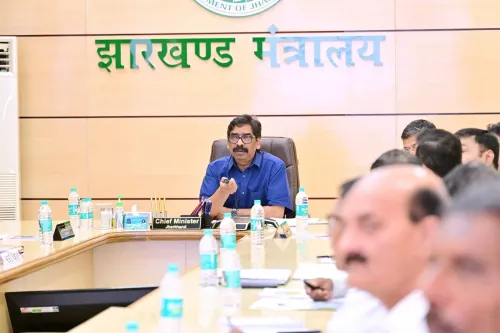
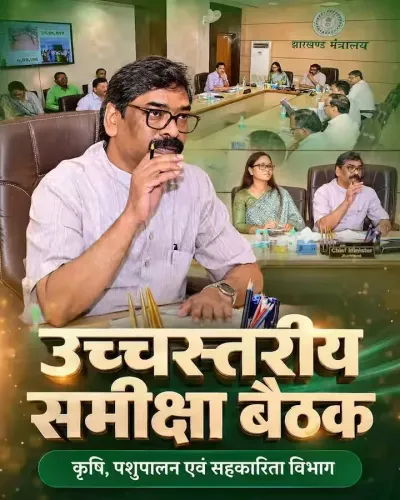
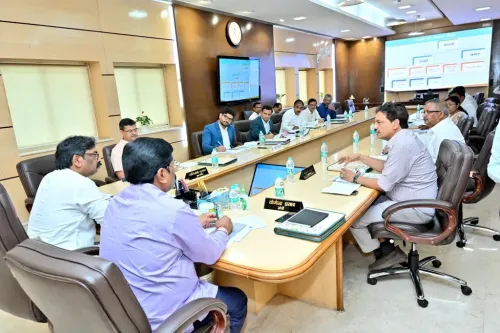
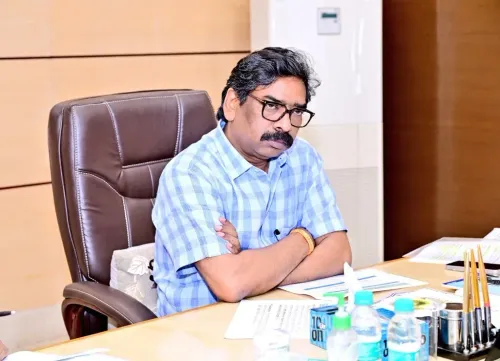
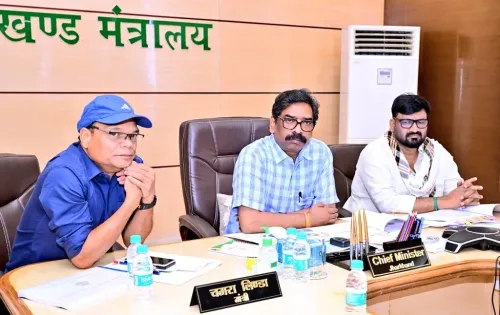
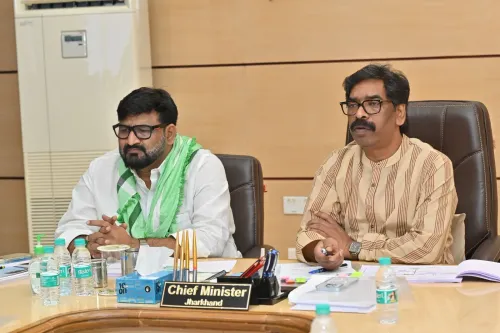
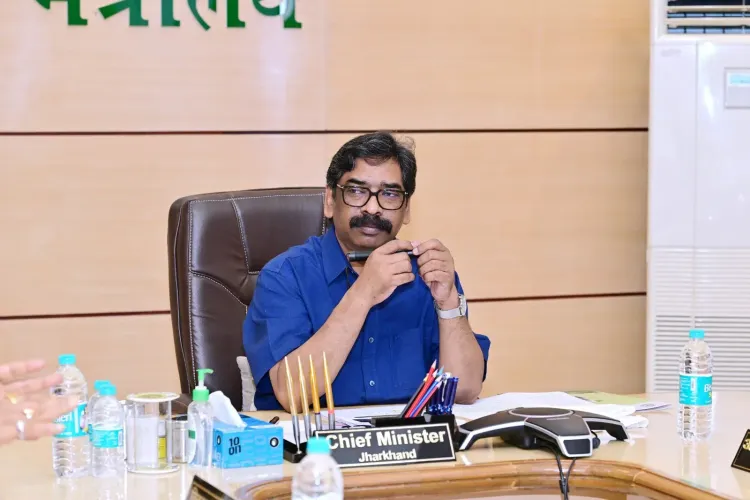
Chief Minister Hemant Soren of Jharkhand has issued fresh directives to promote the state's 'Ek Ped Lagaye, Panch Unit Mufat Bijli Paye' (Plant One Tree, Get Five Units of Free Electricity) scheme, accelerate commercial cultivation of cashew and bamboo, expedite pending van patta (forest land title) cases, and boost eco-tourism in coordination with VisitJharkhand, the state's official tourism promotion body. The instructions were shared by the Chief Minister's Office of Jharkhand on Monday, 20 July 2026.
Context
The post, in Hindi, states that 'एक पेड़ लगाएं, पांच यूनिट मुफ्त बिजली पाएं योजना का प्रचार-प्रसार करने' ('to promote the Plant One Tree, Get Five Units of Free Electricity scheme') is among the key directions issued by CM Soren. The scheme is designed to incentivise household-level afforestation by linking tree plantation directly to electricity subsidies for rural consumers. The directive also calls for coordinating with VisitJharkhand to give momentum to 'Eco Tourism' across the state's forest landscapes.
Jharkhand has a forest cover exceeding 29 percent of its total geographic area, making it one of the more densely forested states in India. This ecological base has long been central to both the state's livelihood economy and its tourism potential.
Policy Backdrop
The Forest Rights Act, 2006 — formally the Scheduled Tribes and Other Traditional Forest Dwellers (Recognition of Forest Rights) Act — mandates the recognition of individual and community forest rights through van patta titles. Jharkhand has been running periodic drives since 2019 to clear a backlog of pending claims, and CM Soren's latest instruction to expedite their disposal continues that administrative push.
On the commercial cultivation front, the state expanded its bamboo policy and minor forest produce promotion schemes in the 2021–22 budget cycle. The fresh directive to promote cashew and bamboo farming commercially signals an intent to deepen that agenda, connecting forest dwellers and tribal households to market-linked income streams.
Stakeholders and Impact
Tribal households and traditional forest dwellers stand to benefit most directly — both from van patta title settlements that secure land rights and from commercial cultivation opportunities in cashew and bamboo. Rural electricity consumers who participate in the tree-planting scheme can claim five free electricity units per tree planted, providing a tangible economic incentive alongside the environmental benefit.
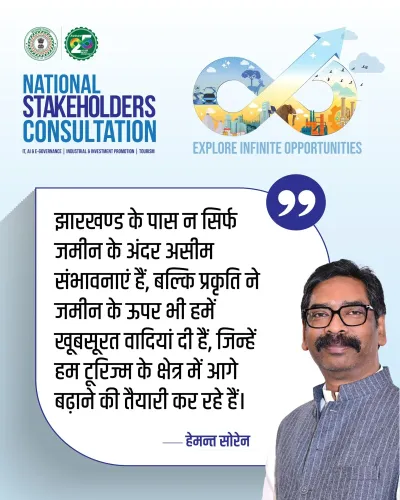
The eco-tourism push, coordinated through VisitJharkhand, targets a different but overlapping constituency: local communities living near forest and wildlife zones who can participate in tourism-linked livelihoods. Together, these four directives represent an integrated approach to Jharkhand's forest economy — covering rights, cultivation, energy, and tourism simultaneously.
What's Next
District-level implementation will be the critical test. Progress on van patta case disposal and enrolment numbers under the tree-planting scheme are likely to surface in the next state budget session as measurable benchmarks. The coordination mandate given to VisitJharkhand for eco-tourism development will also require on-ground infrastructure investment at identified forest sites. How quickly these directives translate into administrative action at the block and district level will determine their real-world impact on Jharkhand's tribal and rural communities.
Point of View
Economic, and rights-based agendas into a single administrative push — a pattern consistent with JMM's tribal-welfare political positioning ahead of future electoral cycles. Linking electricity subsidies to tree plantation is an especially shrewd design: it attaches a tangible household benefit to a public-good behaviour, lowering the participation barrier. The simultaneous emphasis on van patta disposal signals that forest rights implementation — long an unfinished administrative task — is being reframed as a governance deliverable rather than a passive obligation. Whether these directives move beyond the announcement stage will depend on district-level bureaucratic follow-through, which has historically been the weak link in Jharkhand's forest policy execution.
NationPress
21 Jul 2026
Frequently Asked Questions
What is the 'Ek Ped Lagaye, Panch Unit Mufat Bijli Paye' scheme in Jharkhand?
It is a Jharkhand state scheme that offers five free electricity units to any household that plants one tree, designed to incentivise afforestation at the grassroots level while providing a direct economic benefit to rural electricity consumers.
What is van patta and why is CM Soren pushing for faster disposal of cases?
Van patta refers to forest land title deeds granted to tribal and traditional forest dwellers under the Forest Rights Act, 2006. A significant backlog of pending claims has accumulated over the years, and CM Soren's directive aims to accelerate their settlement to secure land rights for eligible communities.
How does Jharkhand plan to promote eco-tourism?
The state has directed officials to coordinate with VisitJharkhand , the government's official tourism promotion body, to develop and promote eco-tourism sites, particularly in and around Jharkhand's extensive forest and wildlife areas.
Why is cashew and bamboo farming being promoted commercially in Jharkhand?
Cashew and bamboo are well-suited to Jharkhand's forest and agro-climatic conditions. Promoting their commercial cultivation is intended to provide tribal households and forest dwellers with market-linked income, building on the state's expanded bamboo and minor forest produce policies.
How much forest cover does Jharkhand have?
Jharkhand has a forest cover of over 29 percent of its total geographic area, making it one of the more forested states in India and the ecological foundation for the government's afforestation, cultivation, and eco-tourism initiatives.