CM Hemant Soren Extends Greetings on Kharna, Chhath Mahapurv
Synopsis
Jharkhand Chief Minister Hemant Soren extended warm Kharna greetings to all Chhath devotees on 14 November 2026, honouring the festival as a symbol of family dedication, nature's gratitude, and sun worship, and praying for happiness and prosperity for all.
Key Takeaways
CM Hemant Soren posted Kharna greetings on 14 November 2026 , the second day of Chhath Mahapurv .
He described Chhath as a symbol of dedication to family, gratitude towards nature, and sun worship — beyond mere ritual faith.
Soren acknowledged the rigorous nirjala vrat (waterless fast) of devotees as a mark of unbreakable resolve.
He invoked blessings of Bhagwan Bhaskar and Chhathi Maiya for happiness, peace, and prosperity.
Chhath Puja is deeply rooted in Jharkhand and Bihar , involving four days of fasting and sunrise-sunset sun offerings at water bodies.
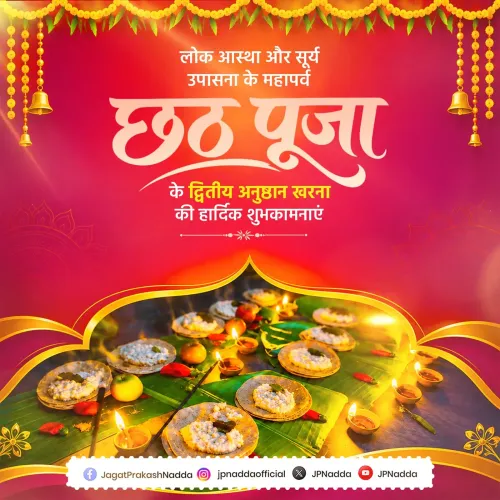
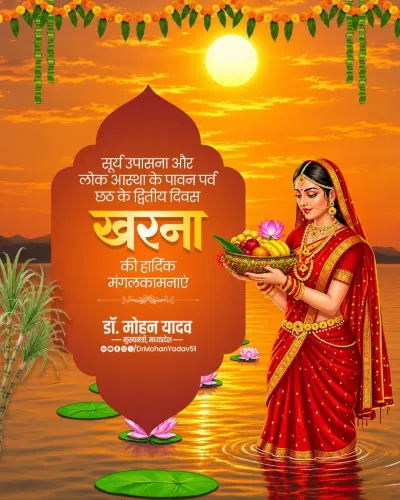
On the sacred occasion of Kharna — the second day of the Chhath Mahapurv — Jharkhand Chief Minister Hemant Soren extended heartfelt wishes to all Chhath devotees and their families, honouring a festival he described as far more than a ritual of faith.
Posting on Saturday, 14 November 2026, CM Soren wrote in Hindi: 'Kharna ke pawan avsar par samast Chhath vratiyon evam unke parivaarjanon ko haardik shubhkamnaayein' — 'Heartfelt best wishes to all Chhath devotees and their families on the auspicious occasion of Kharna.' He described Chhath Mahapurv not merely as a festival of faith and worship, but as 'a symbol of the extraordinary tradition of dedication to family, gratitude towards nature, and the worship of the sun.'
What Kharna means in the Chhath calendar
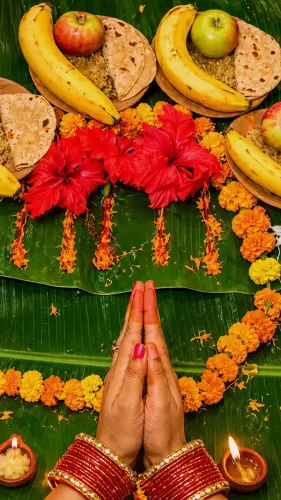
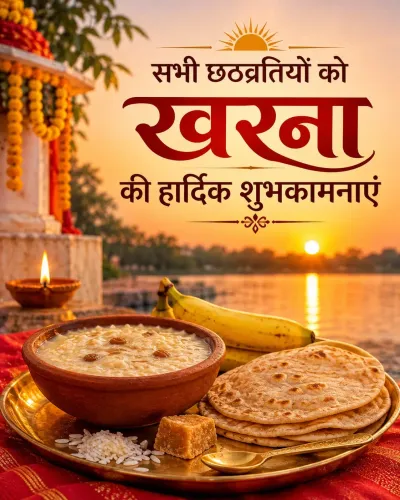
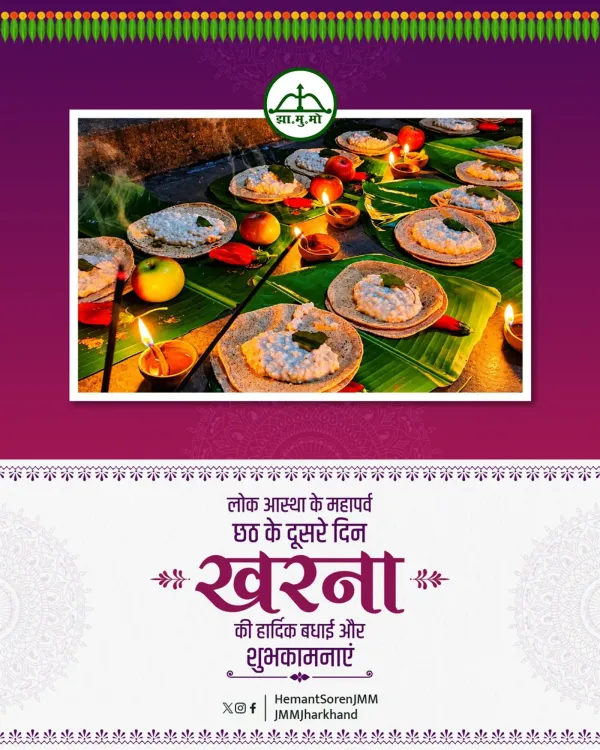
Chhath Puja is a four-day festival central to the cultural identity of Bihar, Jharkhand, and surrounding regions. Kharna, observed on the second day, marks the end of a full-day fast — devotees break their abstinence at sundown with a ritual offering of kheer and roti before entering the most rigorous phase: a 36-hour nirjala vrat, a waterless fast observed until the final sunrise offering.
Soren specifically acknowledged the 'difficult penance, sacrifice, and nirjala vrat of Chhath devotees' as a reflection of their 'unbreakable faith and resolve.' He closed with a prayer that Bhagwan Bhaskar (the Sun God) and Chhathi Maiya bestow happiness, peace, and prosperity upon all.
Soren, Jharkhand, and the festival's deep roots
Jharkhand, carved out of Bihar in 2000, shares a profound cultural and demographic bond with Chhath. The festival draws millions of devotees across both states to riverbanks and water bodies at dawn and dusk for the iconic arghya — the offering of water and fruit to the rising and setting sun. For the state's large migrant worker communities, Chhath is also a homecoming festival, anchoring family and regional identity.
As both Chief Minister and executive president of the Jharkhand Mukti Morcha (JMM), Soren's public acknowledgement of Chhath carries both cultural weight and political resonance — the festival cuts across caste and class lines in a state where community solidarity is a central theme in public life.
Point of View
Chhath Puja is a cultural cornerstone that spans Bihar-origin communities, tribal populations, and migrant workers, making it a unifying political touchpoint. Soren's framing of Chhath as an expression of family, nature, and solar reverence — rather than a narrowly religious event — reflects the JMM's consistent positioning of cultural identity alongside its secular development narrative. With assembly politics never truly dormant in Jharkhand, public resonance with festivals like Chhath reinforces community bonds that translate into electoral trust. The post signals continuity in the CM's outreach strategy rather than a new policy direction.
NationPress
14 Nov 2026
Frequently Asked Questions
What is Kharna in Chhath Puja?
Kharna is the second day of the four-day Chhath Mahapurv. Devotees observe a full-day fast and break it at sundown with a ritual offering of kheer (rice pudding) and roti, after which they begin a gruelling 36-hour nirjala (waterless) fast leading to the main sunrise and sunset offerings.
What did Hemant Soren say about Chhath Puja 2026?
Jharkhand Chief Minister Hemant Soren extended heartfelt Kharna greetings on 14 November 2026, calling Chhath Mahapurv a symbol of family dedication, gratitude towards nature, and sun worship, and prayed that Bhagwan Bhaskar and Chhathi Maiya bring happiness, peace, and prosperity to all.
Why is Chhath Puja important in Jharkhand?
Chhath Puja is deeply significant in Jharkhand due to its shared cultural heritage with Bihar. Millions of devotees gather at riverbanks for sunrise and sunset rituals, and the festival is a major homecoming occasion for the state's large migrant worker communities.
What is nirjala vrat in Chhath?
Nirjala vrat is a strict waterless fast observed by Chhath devotees from Kharna evening through the final sunrise offering on the fourth day — a period of roughly 36 hours without food or water, considered the most demanding aspect of the festival.
Who is Hemant Soren?
Hemant Soren is the Chief Minister of Jharkhand and the executive president of the Jharkhand Mukti Morcha (JMM), a regional political party central to Jharkhand's politics since the state's formation in 2000.