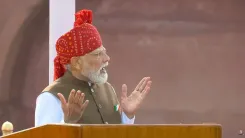
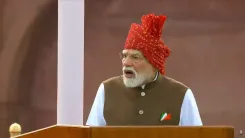
CM Hemant Soren Launches Student Dialogue Campaign for Exam Reform
Synopsis
Chief Minister Hemant Soren has launched 'Chhatron ki Baat, Chhatron ke Saath' on Independence Day 2026, a participatory campaign inviting Jharkhand's students, teachers, educationists, and parents to shape the state's examination reform agenda.
Key Takeaways
The Chief Minister's Office of Jharkhand announced the campaign on August 15, 2026 — Independence Day.
CM Hemant Soren personally called on every student, teacher, educationist, and parent in Jharkhand to participate.
The campaign is named 'Chhatron ki Baat, Chhatron ke Saath' — 'Students Speak, With Students.' The initiative targets examination reform, aiming to move beyond rote-learning concerns toward competency-based assessment.
Specific feedback mechanisms and resulting policy proposals have not yet been announced.
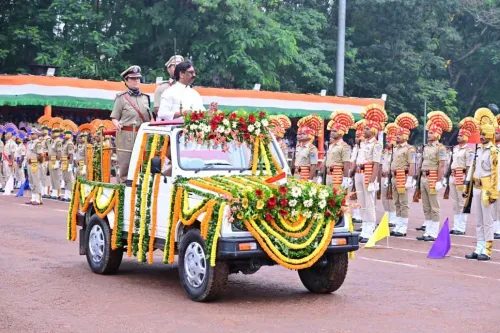
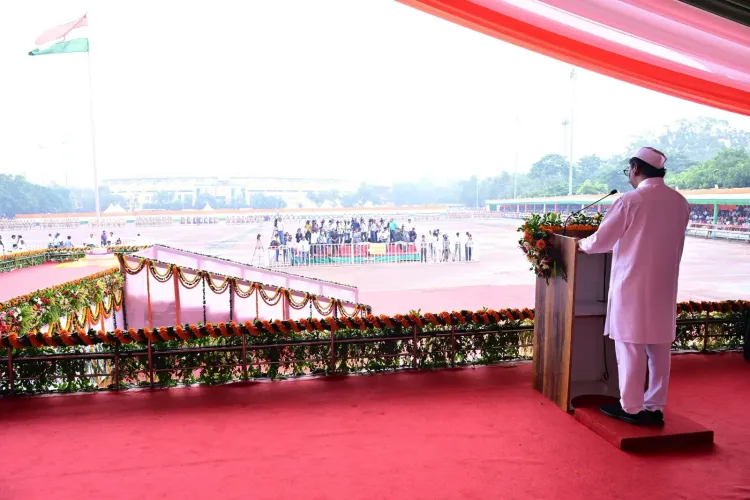
On Independence Day, August 15, 2026, the Chief Minister's Office of Jharkhand announced that Chief Minister Hemant Soren has launched a participatory campaign — 'Chhatron ki Baat, Chhatron ke Saath' ('Students Speak, With Students') — calling on every student, teacher, educationist, and parent across Jharkhand to join the state's examination reform drive.
Soren's appeal, posted by the official CMO account, frames the campaign as an invitation rather than a directive: 'is parivartan yatra mein sarkar ke saath aapki sahbhagita chahte hain' — 'we want your participation alongside the government in this journey of transformation.' The emphasis on co-ownership signals a deliberate shift from top-down policy drafting toward grassroots consultation.
What 'Chhatron ki Baat' asks of Jharkhand's classrooms
The campaign targets the full education ecosystem — not just students, but teachers, educationists, and parents — making it one of the broader stakeholder outreach efforts in the state's recent education history. The stated goal is to feed real classroom experience into the design of examination reforms, addressing long-standing concerns about rote learning and assessment methods that do not reflect actual competency.
Indian states have periodically run similar consultative exercises, but the reach of such campaigns often determines their impact. Whether Jharkhand — a state with a substantial rural and tribal population — can aggregate meaningful feedback from its most underserved school districts will be the real test of the initiative's ambition.
Soren's education agenda and the reform moment
Hemant Soren, leading the Jharkhand Mukti Morcha-headed government, has positioned welfare and inclusive development at the centre of his administration since 2019. Framing an exam-reform push as a 'parivartan yatra' — a journey of change — on Independence Day is a deliberate choice: it ties a domestic education policy moment to the national mood of stock-taking and aspiration.
The mechanisms for collecting and acting on this feedback — whether through digital portals, district-level jan sabhas, or school-based surveys — have not yet been detailed. What those mechanisms look like will determine whether the campaign produces structural change in Jharkhand Board examination patterns or remains a well-intentioned consultation exercise.
A state that listens to its students on Independence Day has set a standard. Now it has to deliver on it.
Point of View
Jharkhand's large rural and tribal population presents a real implementation challenge: without robust on-the-ground feedback channels, such campaigns risk becoming urban-centric exercises. The campaign's credibility will ultimately rest on whether the collected input visibly shapes Jharkhand Board policy — and whether that link is communicated back to participants.
NationPress
15 Aug 2026
Frequently Asked Questions
What is the 'Chhatron ki Baat, Chhatron ke Saath' campaign in Jharkhand?
'Chhatron ki Baat, Chhatron ke Saath' is a participatory campaign launched by Jharkhand Chief Minister Hemant Soren that invites students, teachers, educationists, and parents to contribute their views on examination reform in the state.
Who launched the Jharkhand student exam reform campaign?
Chief Minister Hemant Soren of the Jharkhand Mukti Morcha government announced the campaign, with the official Chief Minister's Office sharing the appeal on August 15, 2026.
What is the goal of Jharkhand's exam reform initiative?
The campaign aims to gather grassroots input from across the education ecosystem to inform reforms in Jharkhand's examination system, with a broader goal of addressing rote-learning concerns and improving competency-based assessment.
Who can participate in the 'Chhatron ki Baat' campaign?
CM Soren's appeal is open to every student, teacher, educationist, and parent in Jharkhand — making it a state-wide, multi-stakeholder consultation exercise.
Has Jharkhand announced specific exam reforms yet?
No specific reform proposals or feedback mechanisms have been detailed as of the campaign's announcement; the initiative is in its outreach and consultation phase.