CM Hemant Soren Orders DC Ranchi to Probe Case, Act on Guilty
Synopsis
Jharkhand Chief Minister Hemant Soren on July 4, 2026, publicly directed DC Ranchi on X to take immediate cognisance of a matter, conduct a full investigation, and ensure strict action against all those found guilty, with a report back to follow.
Key Takeaways
CM Hemant Soren tagged @DC_Ranchi on X on July 4, 2026 , ordering an immediate probe into an unspecified matter.
The directive demands strict action against all persons found guilty and a formal report back to the Chief Minister.
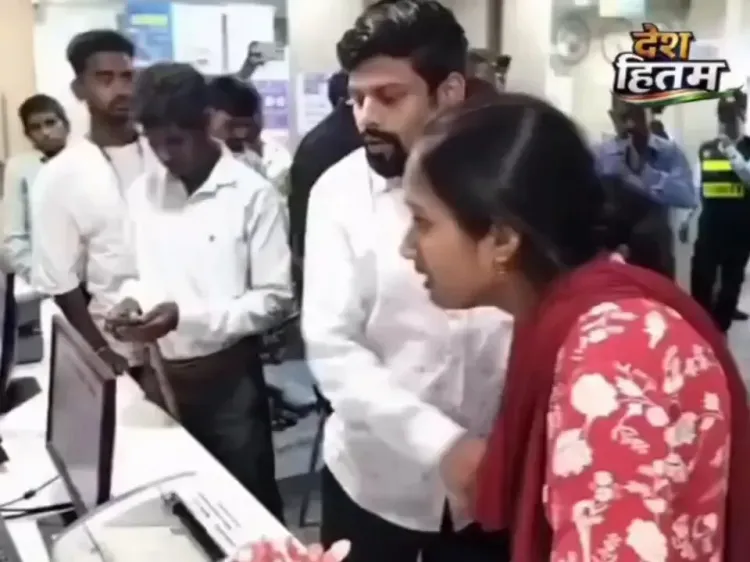
A video was attached to the post, suggesting the matter was brought to the CM's attention through visual evidence.
The Deputy Commissioner of Ranchi holds district-level authority over administration, law and order, and revenue in the state capital.
This follows a wider pattern of Indian chief ministers using social media to issue real-time, publicly accountable directives to district officials.
The outcome — including any disciplinary or legal steps — is expected to be communicated back to CM Soren's office.
Jharkhand Chief Minister Hemant Soren on Saturday, July 4, 2026, publicly directed the office of the Deputy Commissioner of Ranchi to take immediate cognisance of a matter and conduct a full investigation, warning that strict action must be taken against all those found guilty.
Context
Posting on X, CM Soren tagged @DC_Ranchi — the official handle of the Ranchi Deputy Commissioner's office — with a direct instruction in Hindi: 'tatkaal sangyaan le, maamle ki poori jaanch karein' ('take immediate cognisance, conduct a full investigation into the matter'). He further directed the office to ensure strict action against all those found culpable and to report back with findings. The post included a video, suggesting the matter may have been brought to the Chief Minister's attention through visual evidence, though the specific nature of the case was not stated in the post.
Policy Backdrop
Chief ministers across Indian states have increasingly used social media platforms to issue real-time directives to district-level administrators, bypassing slower bureaucratic channels. This practice signals executive responsiveness to public grievances and places accountability on record in the public domain. The Deputy Commissioner of Ranchi holds broad authority over district administration, law and order, and revenue functions in the state capital, making the office a key node for such interventions.
Hemant Soren, who leads the Jharkhand Mukti Morcha (JMM) as its executive president, has previously used direct social-media outreach to subordinate officials as a governance tool, particularly in matters requiring urgent administrative action. Such public directives also serve as a form of documented accountability — the instruction, once posted, is visible to citizens and the press alike.
Stakeholders and Impact
The directive directly concerns residents of Ranchi and the district administration. For citizens who may have raised the original grievance, the Chief Minister's public intervention elevates the matter to the highest level of state executive attention. District officials are now on notice to act swiftly, with the outcome expected to be reported back to the Chief Minister's office.
The instruction to ensure 'strict action against all those found guilty' — 'doshi paye jaane par sabhi doshiyon par kadi kaarravaai sunishchit karte hue soochna dein' — signals that CM Soren expects both accountability and a formal communication of results, not merely an internal inquiry.
What's Next
The immediate next step rests with the DC Ranchi office, which is expected to initiate a formal investigation and submit a report to the Chief Minister. Depending on findings, the case could result in disciplinary proceedings, suspension of officials, or referral to law-enforcement agencies. The broader pattern in such interventions suggests that a public directive of this kind typically accelerates timelines for administrative action considerably.
Point of View
Visible to citizens and officials alike, making inaction politically costly for the district administration. This fits a broader pattern of Indian chief ministers deploying X as a real-time governance tool, compressing bureaucratic timelines and creating visible pressure on subordinate officials. The attachment of a video to the post suggests the matter carries evidentiary weight, raising the stakes for the investigation. How swiftly and transparently DC Ranchi responds will be a test of the Soren administration's stated commitment to responsive district governance.
NationPress
4 Jul 2026
Frequently Asked Questions
What did CM Hemant Soren direct DC Ranchi to do?
CM Hemant Soren directed the Deputy Commissioner of Ranchi on July 4, 2026, to take immediate cognisance of a matter, conduct a full investigation, and ensure strict action against all those found guilty, with findings to be reported back to him.
What is DC Ranchi and what authority does it hold?
DC Ranchi refers to the Deputy Commissioner of Ranchi, the top district-level administrative officer responsible for law and order, revenue, and general administration in Ranchi, the capital of Jharkhand.
What case did Hemant Soren ask DC Ranchi to investigate?
The specific nature of the case was not stated in CM Soren's post. The directive referenced 'the matter' without elaboration, though a video was attached that may contain further context.
Why do chief ministers issue directives on X to district officials?
Chief ministers use social media platforms like X to issue real-time, publicly visible directives to district officials, which signals administrative responsiveness, creates accountability on the record, and typically accelerates the pace of official action.
What happens after CM Soren's directive to DC Ranchi?
The DC Ranchi office is expected to initiate a formal investigation and submit a report to the Chief Minister. Depending on findings, outcomes could include disciplinary action, suspension of officials, or referral to law-enforcement agencies.