CM Himanta attends Japan tea ceremony in New Delhi
Synopsis
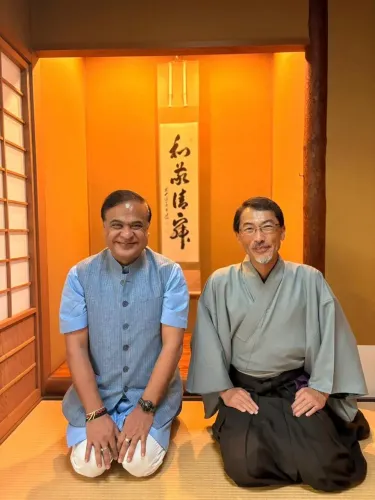
Assam Chief Minister Dr. Himanta Biswa Sarma participated in a traditional Japanese Cha-no-yu tea ceremony hosted by Japan's Ambassador H.E. Keiichi Ono in New Delhi, reinforcing cultural and diplomatic ties under India's Act East Policy framework.
Key Takeaways
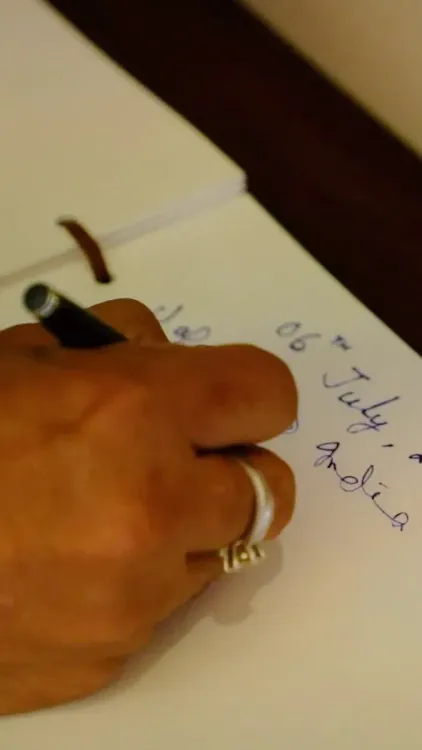
Himanta Biswa Sarma , Chief Minister of Assam, attended a Japanese Cha-no-yu tea ceremony in New Delhi on 6 July 2026 .
The ceremony was hosted by H.E.
Keiichi Ono , Ambassador of Japan to India.
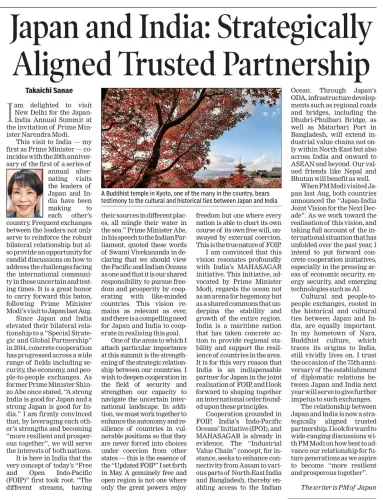
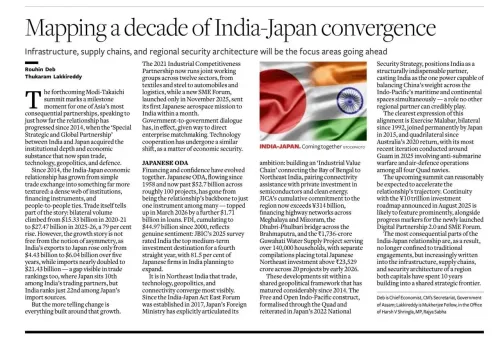
The visit aligns with India's Act East Policy , which since 2014 has prioritised deeper engagement with Japan and ASEAN nations.
Japan is a major infrastructure financier in the Northeast through JICA , with projects spanning roads, water supply, and urban development in Assam.
Cultural diplomacy of this kind typically complements parallel tracks of trade promotion and capital investment in the Northeast.
Analysts will watch for follow-up announcements on new JICA-supported projects or Assam's participation in India-Japan business forums.
The Chief Minister's Office of Assam announced on Tuesday, 7 July 2026 that Chief Minister Dr. Himanta Biswa Sarma attended a traditional Japanese Cha-no-yu tea ceremony in New Delhi, hosted by the Ambassador of Japan to India, H.E. Mr. Keiichi Ono.
Context
The Cha-no-yu — literally 'hot water for tea' — is a centuries-old Japanese ritual of preparing and serving matcha that carries deep cultural and diplomatic significance. Its use as a diplomatic setting signals a deliberate effort to deepen people-to-people ties alongside formal state engagements. The ceremony was hosted at the Japanese Ambassador's residence in New Delhi.
Dr. Sarma has been among the more active state-level interlocutors in India's engagement with East Asian nations, making multiple outreach visits since assuming office in 2021. His participation in such a culturally immersive event underscores Assam's intent to position itself as a gateway to Northeast India for Japanese investment and partnership.
Policy Backdrop
India's Act East Policy, formalised in 2014, elevated the earlier Look East framework into a more proactive strategy of economic and strategic integration with Japan and the broader ASEAN region. The Northeast has been a focal geography of this policy, with Japan emerging as a key financier of infrastructure through the Japan International Cooperation Agency (JICA).
Projects spanning road connectivity, water supply, and urban development across Assam and neighbouring states have received JICA support over the past decade. Cultural diplomacy — of which the Cha-no-yu ceremony is a textbook example — runs as a parallel track to these capital flows, building institutional familiarity and goodwill between administrations.
Stakeholders and Impact
The Assam business community and Northeast-focused investors stand to benefit most directly from sustained high-level engagement with Japan. Each interaction at this level reinforces Assam's visibility in Japanese policy and business circles, which can translate into faster approvals for bilateral project proposals and greater private-sector interest.
For the broader Northeast, state-level engagements of this kind complement central government diplomacy by demonstrating sub-national readiness to receive and absorb Japanese capital and technology. Similar engagements have been conducted by other northeastern states since the mid-2010s, creating a cumulative regional signal.
What's Next
Observers will watch for any follow-up announcements on new or expanded JICA-supported projects in Assam, or confirmation of the state's participation in upcoming India-Japan business forums. Cultural engagements of this nature frequently precede or accompany concrete economic announcements, making the weeks following the ceremony a period of diplomatic watch.
The meeting also keeps open the possibility of a more structured bilateral dialogue between the Assam government and Japanese institutions, potentially covering sectors such as bamboo processing, tea exports, and smart city infrastructure — areas where Japanese expertise aligns closely with Assam's development priorities.
Point of View
This kind of high-visibility cultural participation signals institutional seriousness beyond routine trade delegations. The gesture fits a broader pattern where northeastern states have used people-to-people diplomacy to accelerate the Act East Policy's on-ground translation into investment.
NationPress
7 Jul 2026
Frequently Asked Questions
What is the Cha-no-yu tea ceremony?
Cha-no-yu is a traditional Japanese ritual of preparing and serving powdered green tea (matcha) that embodies principles of harmony, respect, and tranquillity. It is often used in diplomatic settings as a gesture of cultural goodwill.
Why did Assam CM Himanta Biswa Sarma attend a Japanese tea ceremony?
Dr. Sarma attended the ceremony hosted by Japan's Ambassador to India as part of cultural diplomacy under India's Act East Policy, which seeks to deepen ties between Northeast India and Japan across economic and cultural domains.
What is India's Act East Policy and how does it relate to Assam?
India's Act East Policy, formalised in 2014, upgraded the earlier Look East framework to actively integrate the Northeast with Japan and ASEAN nations. Assam is a key gateway state in this strategy, receiving Japanese infrastructure financing through JICA.
What Japanese investments exist in Assam?
Japan, through JICA, has financed multiple infrastructure projects in Assam covering road connectivity, water supply, and urban development. These investments are part of the broader Act East Policy framework.
What could follow from CM Himanta's meeting with Japan's Ambassador?
Analysts expect possible follow-up announcements on new or expanded JICA-supported projects in Assam, or the state's participation in India-Japan business forums, particularly in sectors like bamboo processing, tea exports, and smart city infrastructure.