CM Himanta backs handloom as livelihood and cultural force
Synopsis
Assam CM Himanta Biswa Sarma on August 7, 2026 amplified Union MoS Pradan Margherita's article on India's handloom sector, calling it a driver of livelihoods, sustainability and cultural pride under PM Modi's leadership.
Key Takeaways
Assam CM Himanta Biswa Sarma shared an article by Union MoS Pradan Margherita on the handloom sector on August 7, 2026 .
Sarma described handloom as 'a powerful driver of livelihoods, sustainability and cultural pride' under PM Narendra Modi .
The India Handloom Brand , launched in 2015 , certifies authentic handloom products to protect weavers and promote exports.
The Northeast is home to a large share of India's handloom weavers, producing GI-tagged textiles including Muga silk and Eri .
The Ministry of Textiles oversees national handloom welfare and marketing schemes under the broader Atmanirbhar Bharat framework.
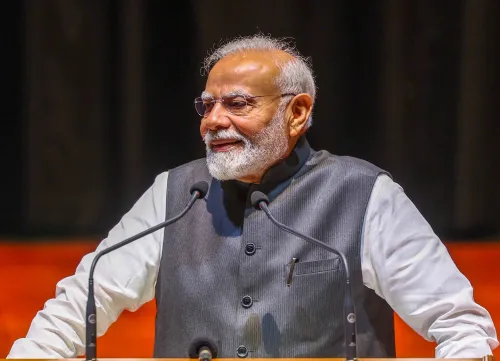
India's handloom tradition is not just fabric — it is memory, identity, and in the hands of millions of weavers, it is income. Assam Chief Minister Himanta Biswa Sarma amplified that message on Friday, August 7, 2026, sharing an article by Union Minister of State Pradan Margherita on the handloom sector's evolving role under Prime Minister Narendra Modi.
Sharing the piece on X, CM Sarma wrote: 'Every handloom weave carries the story of our civilisation. Under the leadership of Adarniya Modi Ji, the sector is emerging as a powerful driver of livelihoods, sustainability and cultural pride.'
From loom to livelihood: the policy push behind the endorsement
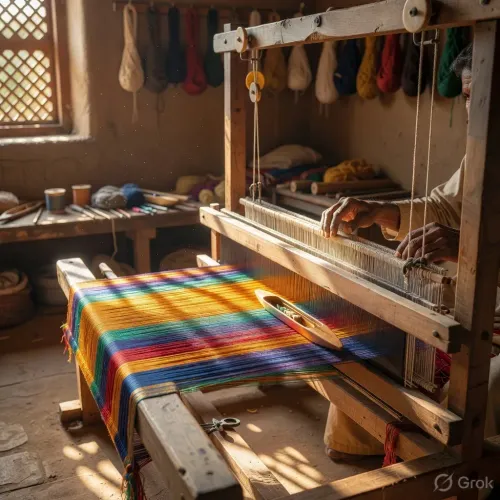
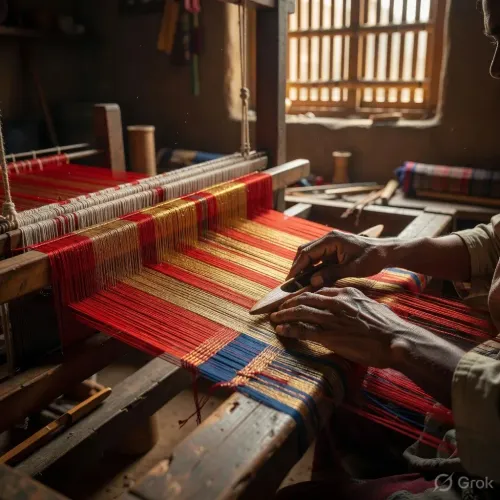
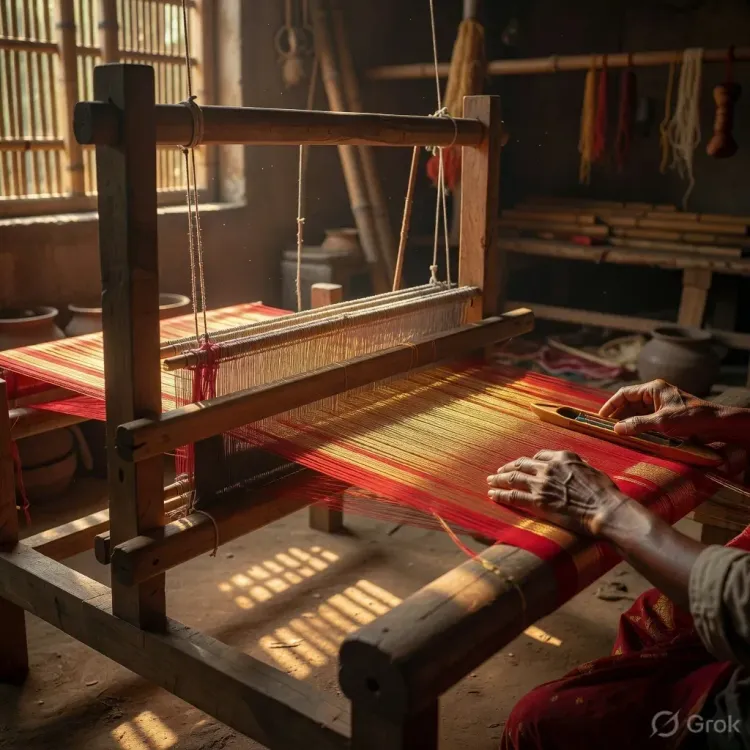
The handloom sector in India employs millions of weavers — a significant share of them concentrated in the Northeast, where indigenous weaving traditions are woven into everyday life as much as into ceremonial dress. The Ministry of Textiles has long overseen development and welfare schemes for the sector, but the push gained sharper branding with the 2015 launch of the India Handloom Brand — a certification mechanism designed to distinguish authentic handloom products from power-loom imitations, both domestically and in export markets. That initiative sits within a broader government emphasis on traditional crafts as twin instruments of cultural preservation and rural employment — a narrative that maps directly onto the Atmanirbhar Bharat framework.Assam's stake in the handloom story
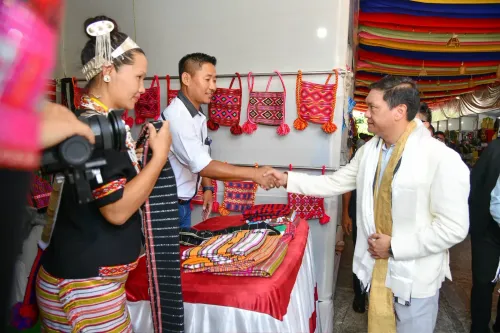
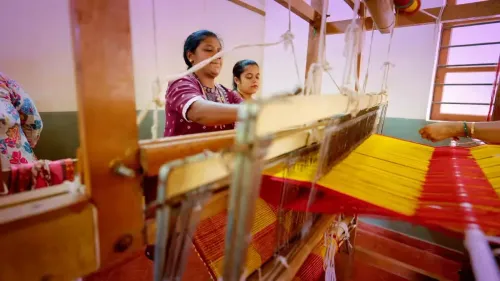
For Assam and the wider Northeast, this is not abstract policy. The region's weavers — many of them women working on traditional looms at home — produce some of India's most distinctive textiles, including Muga silk, Eri, and Pat silk, several of which carry Geographical Indication tags. MoS Margherita, himself from Assam, brings a regional voice to a national portfolio, and CM Sarma's endorsement of the article reinforces the BJP's consistent effort to frame Northeast heritage within the larger national development story. The kicker is simple: when a Chief Minister and a Union Minister of State from the same state both speak the language of the loom, the weavers at the centre of that story are watching — and waiting for the next policy move to match the words.Point of View
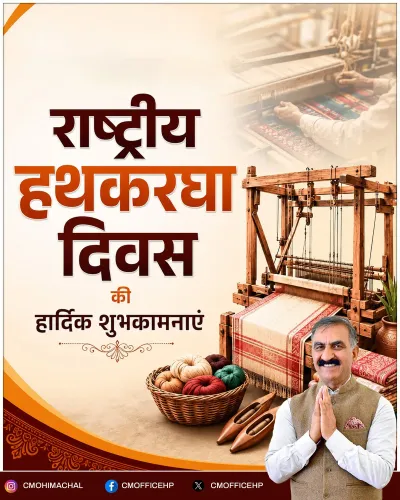
On or near National Handloom Day (August 7), adds institutional weight to what might otherwise read as routine social-media amplification. Watch for whether this translates into concrete policy announcements — new weaver clusters, GI promotion drives, or enhanced Ministry of Textiles allocations for the Northeast.
NationPress
7 Aug 2026
Frequently Asked Questions
What did Assam CM Himanta Biswa Sarma say about handloom?
CM Sarma said 'every handloom weave carries the story of our civilisation' and called the sector a powerful driver of livelihoods, sustainability and cultural pride under PM Modi's leadership.
Who is Pradan Margherita and what article did he write?
Pradan Margherita is a BJP leader from Assam serving as Union Minister of State. He authored an article on the handloom sector that CM Sarma shared and endorsed on August 7, 2026.
What is the India Handloom Brand?
The India Handloom Brand is a government certification launched in 2015 to authenticate genuine handloom products and distinguish them from power-loom imitations, supporting weavers in domestic and export markets.
Why is the Northeast important to India's handloom sector?
The Northeast, including Assam, is home to a large concentration of handloom weavers producing distinctive GI-tagged textiles such as Muga silk, Eri, and Pat silk, making it central to national handloom policy.
What is National Handloom Day and when is it observed?
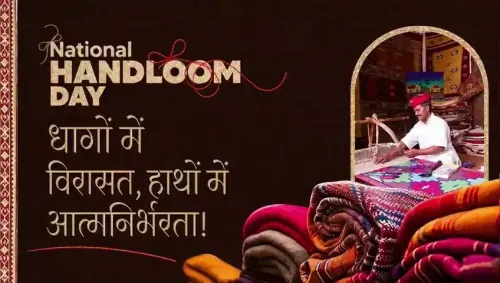
National Handloom Day is observed on August 7 each year in India to honour the country's handloom weaving community and promote indigenous textile traditions.