CM Himanta Urges Youth to Build Reading Habits
Synopsis
Assam Chief Minister Himanta Biswa Sarma on 17 July 2026 urged citizens — especially youth — to cultivate reading habits and keep bookshelves at home and in offices, reinforcing themes central to India's National Education Policy 2020.
Key Takeaways
Assam CM Himanta Biswa Sarma posted on X on 17 July 2026 urging everyone, especially youth, to cultivate a reading habit.
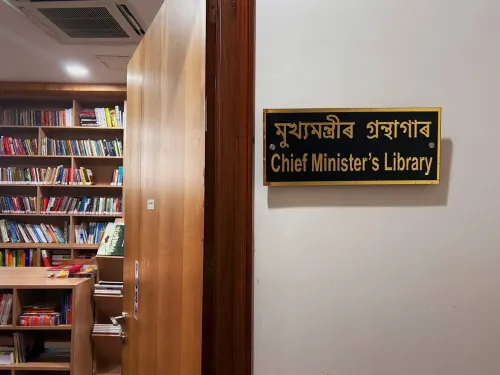
He called for every home and office to maintain a bookshelf as a practical step to promote reading culture.
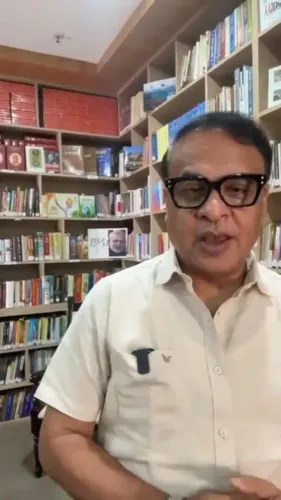
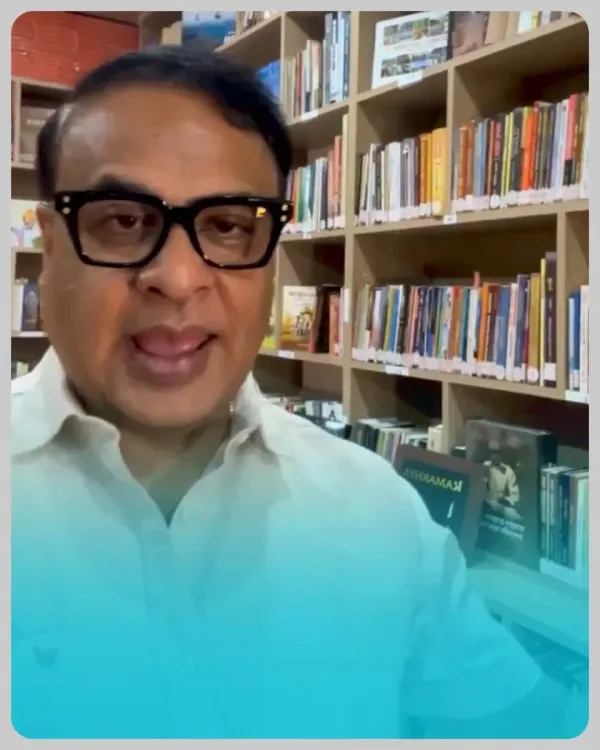
The appeal was accompanied by a Facebook Live session where Sarma elaborated on his views.
The message aligns with the goals of National Education Policy 2020 , which stresses foundational literacy and lifelong reading habits.
Assam's state-level education initiatives have progressively aligned with NEP 2020 objectives under the current government.
Policy watchers will monitor whether this public appeal leads to a formal literacy drive or reading-promotion scheme in Assam .
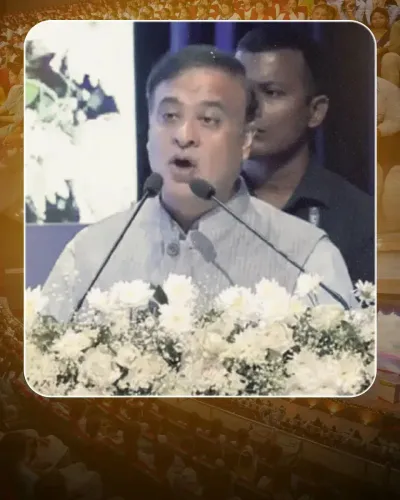
Assam Chief Minister Himanta Biswa Sarma on Friday, 17 July 2026, called on citizens — especially young people — to cultivate a sustained habit of reading, describing books as a lifelong source of wisdom. The appeal, made via a post on X alongside a Facebook Live session, also urged every household and workplace to maintain a bookshelf as a standing invitation to read.
Context
Sarma's message was direct and personal: 'Nothing beats the joy of reading a book.' He extended the appeal beyond individual preference, framing reading as a social norm worth institutionalising — from homes to offices. The Facebook Live referenced in the post offered a fuller elaboration of his views, though the specific content of that session could not be independently verified.
The post arrives at a moment when digital consumption of short-form content has drawn widespread concern among educators and policymakers about declining deep-reading habits among youth in India.
Policy Backdrop
Sarma's call aligns closely with the goals of the National Education Policy 2020 (NEP 2020), India's overarching education framework, which places foundational literacy and the development of reading habits at the centre of early childhood and school education. NEP 2020 explicitly promotes multilingual reading and lifelong learning as pillars of human-capital formation.
Assam under the current government has progressively aligned state-level education initiatives with NEP 2020's objectives. Periodic public advocacy by the Chief Minister on themes such as literacy and reading reinforces that alignment and signals the administration's broader priorities to educators and parents across the state.
Stakeholders and Impact
The primary audience of Sarma's appeal is students and youth, a demographic that forms both the largest share of Assam's population and the segment most exposed to competition from digital distractions. Educators, school administrators, and parents are secondary stakeholders, as the suggestion to maintain bookshelves in every home and office places a practical responsibility on adults.
Public figures using social media to normalise reading as a habit carry measurable soft influence: such messaging, when repeated and reinforced through policy, can shape institutional behaviour in schools, libraries, and community spaces.
What's Next
Observers will watch whether Sarma's public advocacy translates into concrete state action — such as a dedicated literacy drive, a school-library strengthening programme, or a reading-promotion campaign — in the upcoming Assam legislative assembly session or the next state budget cycle. Any formal scheme announcement would give institutional weight to what is currently a personal appeal from the Chief Minister.
For now, the post represents a deliberate use of the Chief Minister's platform to shape public culture around learning, a pattern increasingly common among state leaders seeking to reinforce education goals beyond the classroom.
Point of View
High-visibility act of cultural signalling — using the Chief Minister's platform to normalise reading at a time when screen-time concerns dominate education discourse globally. It fits a broader pattern among Indian state leaders of using social media not just for policy announcements but to shape civic values, particularly around learning and human capital. The explicit tie to home and office bookshelves is notable: it moves the ask from individual aspiration to institutional norm. Whether this remains rhetorical or becomes the basis of a funded state programme will determine its actual policy weight.
NationPress
16 Oct 2026
Frequently Asked Questions
What did Assam CM Himanta Biswa Sarma say about reading books?
On 17 July 2026, Himanta Biswa Sarma posted on X stating that 'nothing beats the joy of reading a book' and urged everyone, especially young people, to cultivate a reading habit and ensure every home and office has a bookshelf.
Why is Assam CM promoting reading habits?
Sarma's appeal aligns with the National Education Policy 2020, which stresses foundational literacy and lifelong reading. State leaders in India periodically use public platforms to reinforce literacy as a key component of human-capital development.
What is the National Education Policy 2020 and how does it relate to reading?
NEP 2020 is India's overarching education framework that emphasises foundational literacy, multilingual reading, and lifelong learning from early childhood — goals that Sarma's public appeal directly echoes.
Did Himanta Biswa Sarma announce any new reading scheme for Assam?
No formal scheme was announced in the post. Sarma made a personal appeal for citizens to read more and maintain bookshelves. Any follow-up policy announcement is expected to emerge in the next Assam assembly session or budget cycle.
Where can I watch Himanta Biswa Sarma's Facebook Live on reading?
Sarma shared a link to his Facebook Live session in his X post of 17 July 2026. The session can be accessed via his official Facebook page.